
Create That Winning Topline!
We all want our horses to look and feel their absolute best. Whether you are preparing for the show ring, stepping up your dressage game, or simply enjoying quiet moments in the saddle, seeing your horse develop a strong, athletic frame is incredibly rewarding.
A crucial part of this picture is a healthy, well-developed topline. But what exactly is topline, and how does your horse’s daily diet shape it? Here we break it down, together with some practical, science-backed advice.
What Exactly is Topline?
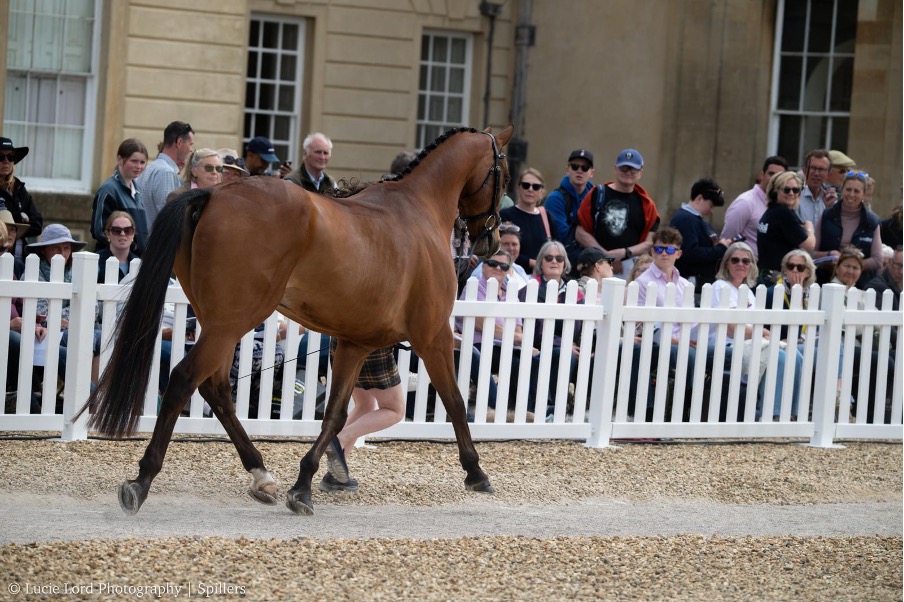
When we talk about topline, we are looking at the group of muscles running all the way from the poll, down the neck, over the withers, along the back and loins, and down over the hindquarters.
These muscles play an important role; from supporting your horse's ability to stretch down and graze comfortably, to carrying your weight as a rider and providing the athletic power for movement. True topline is made of strong, healthy muscle NOT fat. It’s important to remember that we want to build genuine muscle mass here, rather than simply covering the area in a layer of fat so the horse appears a rounded shape.

The Power of Quality Protein - and Lysine!
If muscle is the goal, then quality protein is your best friend.
When your horse eats their forage and feed, the body breaks the protein down into tiny building blocks called amino acids. These are then rebuilt (in a process called protein synthesis) into the specific proteins needed to build and maintain muscle.
But here is the catch: nine of these 21 amino acids are "essential". This means your horse's body cannot make them, so they must be supplied in their daily diet.
Think of it like a Lego set. If you are building a castle but are missing a few crucial pieces, you can't finish the build, no matter how many standard bricks you have leftover. In the horse world, lysine is that crucial missing Lego brick. We call it the ‘first limiting’ amino acid as it’s the one most likely to be deficient in a horse's diet. Without enough lysine, your horse simply cannot build muscle efficiently.
Feeding for Muscle: Balancers vs. Supplements
While grass and hay are the foundation of any good diet, forage alone often doesn't supply enough high-quality protein or essential lysine to support excellent muscle development. This is where choosing the right feed comes into play.
- For the "Good Doer": If your horse holds weight easily on forage alone, a high-spec balancer is often a perfect match. Broad-spectrum vitamin and mineral supplements can be useful, but they are typically very low in protein, simply due to the tiny amount fed. A pelleted balancer delivers a far higher level of amino acids, which crucially (should) include lysine, alongside the essential vitamins and minerals. This helps give your horse the muscle-building blocks they need without adding unwanted calories.
- Beware of "Miracle" Muscle Supplements: It is easy to get swept up in bold marketing claims. Most supplements have a tiny 25g – 100g daily serving, so while a premium muscle supplement might sound promising with a long list of amino acids, it often contains negligible levels of them. Making it an expensive and often ineffective addition to your feed room. Some horses with very high training demands might benefit from increased support, but choosing a well-formulated feed and getting the basics right is almost always the best place to start to improve the protein profile of their diet.
Exercise: The Non-Negotiable Partner
Here is a gentle truth from one horse owner to another: protein alone cannot build muscle.
Without the right type of physical work, excess protein simply gets broken down and excreted in your horse's urine. Think of our incredible human athletes, no amount of protein shakes will turn us into Olympians if we are just sitting on the sofa!
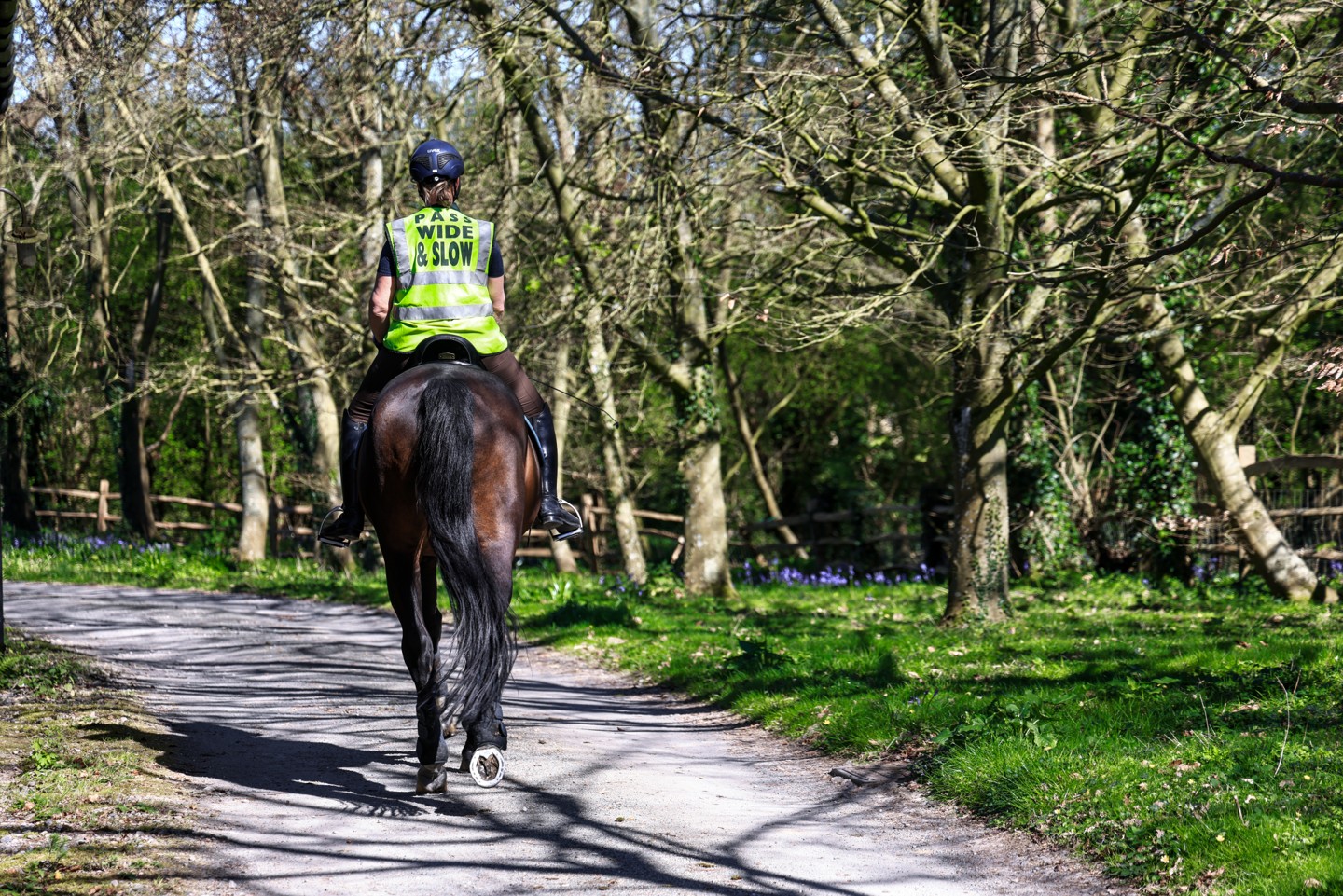
Your horse needs consistent, correct physical training to stimulate muscle growth, with rest days to let those muscles recover and adapt. Regular, varied work appropriate to their fitness, age and ability helps your horse to build strength in the right places. Whatever your goal, encourage your horse to work correctly through their back and build that dream topline.
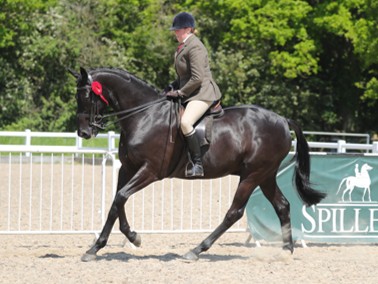
Table of Contents
The Truth About BCS: Muscle vs. Fat
Body Condition Scoring (BCS) is a fantastic tool, but it is designed to measure fat coverage, not muscle.
A horse can have a perfect BCS of 5 out of 9 but still have a weak, poorly developed topline because they lack muscle tone. Conversely, an overweight horse might look like they have a strong back, but this is often just fat coverage masquerading as topline.
To tell the difference, use your hands:
- Muscle feels firm and toned.
- Fat feels soft, spongy, and pads may be obvious.
Myth Buster: Can Fat Turn into Muscle?
No! Fat cannot magically convert into muscle. They are entirely different types of tissue! If your horse needs to lose weight, calorie restriction is essential, but they still need high-quality protein to protect existing or build new muscle.
Your Three-Step Formula for Success
Building a genuine topline takes patience, consistency, and time. Here are our three golden rules to help you get there:
- Aim for a Healthy Weight: Ideally your horse or pony should be a healthy body condition – close to 5/9 on the BCS scale.
- Feed Quality Protein: Ensure their daily diet includes essential amino acids, especially lysine – you should be able to find this information on the product bag or website.
- Keep Training Them Correctly: Design a varied exercise program which leads to your future goals. Encourage your horse to stretch, lift, and work muscles correctly. Seek help from a trainer if you’re at all unsure.
We Are Here to Help!
Since 1958, SPILLERS has been by the side of horse owners, combining our deep love for horses with decades of dedicated scientific research. We know that every horse is an individual with their own unique personality.
If you would like to chat through your horse's diet, discuss their body condition score, or create a tailored nutrition plan together, please reach out. Our friendly yard-savvy experts are always ready to help!
Get in touch with our SPILLERS Care-Line on 01908 226626 or fill in our online consultation form for free, friendly, and expert advice.

Author
Written by: Vanessa Allen
Equine Nutrition Advisor, SPILLERS
Vanessa Allen | LinkedIn
Author summary:
Vanessa has been part of the SPILLERS nutrition team for over a decade and writes evidence-based, practical feeding advice to help owners support their horses’ health, wellbeing and long-term condition.