
Forage First: How to Feed Your Poor Doer and Build Condition Safely
We all know the feeling. You’ve spent weeks researching and choosing the perfect bucket of feed, only for your horse to snort disgustedly at it and wander away. Alternatively, they tuck in with great enthusiasm only to go off it 2 weeks later once you’ve bought another 3 bags.
When you’re caring for a "poor doer" or fussy eater, mealtimes can quickly become a source of frustration. At SPILLERS, we’re horse owners ourselves, and we know that every horse is an individual with their own personality, individual quirks, and particular tastes!
If you are currently locked in a daily battle of willpower with a picky eater, don't panic - we hear you. Horses with a good appetite rarely struggle with weight gain. We hope this article helps provide you with some ideas to make your horse tuck in again, so life is less stressful for both of you.
Getting Back to Basics: Forage First
Before we even look at the feed bowl, let’s talk about forage. Ideally, fibre is a solid foundation for your horse’s diet, supporting both digestive health and mental wellbeing. Grass and/ or forage usually supply the bulk of their calories so when they go off their forage they are missing out on vital calories and weight loss often follows.
If your horse has a poor appetite for their usual hay, try offering haylage or another source of hay. Despite the fact we tend to think hay is just hay every batch will vary. Some horses simply prefer it soft; some prefer coarse forage, some will enjoy first cut sweeter bales. We appreciate this can be a tricky problem to solve but with forage being so vital it’s important to at least try. Sometimes a simple change in texture or variety is all it takes to encourage them to keep chewing but remember, where possible, make changes gradually and try not to chop and change too often or you risk digestive upset.
For some, feeding highly palatable, tasty hay replacers alongside or in place of their usual forage may be an expensive but effective solution.
Top Tips to Tempt a Picky Eater
Through decades of research and real-life experience, we’ve gathered some brilliant, practical tricks to make mealtimes much more inviting:
1. Add a tempting mix?
While a tempting sweet mix might look incredibly appetising to the human eye, it can actually work against you with a fussy horse. Mixes allow selective feeders to sort through the bowl, picking out the sweet bits and leaving the rest behind. This not only unbalances their diet but can also make them even fussier. Switching to cubes means balanced nutrition in every single mouthful and we tend to find horses enjoy them just as much.
2. Avoid "Over-Facing"
Mashes can be tempting but for picky eaters may not be the best choice due to the large volumes needed. Large mash feeds could fill them up too quickly, causing them to leave their feed unfinished and reduce their appetite for essential forage. Try feeding smaller, more frequent, and more concentrated meals instead which are quick and easy for them to eat.
3. Offer a "Buffet" Meal
Horses can be sensitive about their textures and flavours being jumbled up. Try offering individual feeds in separate buckets rather than mixing them together. A buffet-style setup gives your horse a choice. You might find they tuck into one, ignore another, and then come back to the first one later. It also helps you work out exactly what they prefer!
4. Create the Perfect Dining Environment
A horse is a prey animal and appetite can be closely tied to how relaxed and comfortable they feel.
- The Social Eater: Some horses are happier eating in the company of others and prefer to always have their friends in sight. They worry and fret when they can’t see their herd so feed them close by.
- The Quiet Diner: Others find the hustle and bustle of a busy yard stressful and prefer a quiet, peaceful spot where they can eat in peace and don’t feel they need to guard their meal.
Keep a close eye on their behaviour—any sudden changes in routine or separation from their companions can cause a temporary dip in appetite.
5. Naturally Boost the Flavour
Rather than chop and change feeds regularly, which we don’t recommend, try adding tasty toppings:
- Grated apple, carrot or other suitable fruit/ vegetables.
- A splash of sugar beet, SPILLERS tasty mashes or fruit juice.
- Fenugreek: In clinical palatability studies, fenugreek was ranked as the number one flavour preferred by horses, closely followed by banana and cherry.
TREATS TO TRY (in moderation of course!) | ONES TO AVOID! |
| Apples | Cabbage, broccoli, cauliflower, brussel sprouts |
| Carrots | Avocado/ Rhubarb |
| Bananas | Tea / Coffee |
| Pumpkin | Onions/ Leeks/ Shallot/ Chives |
| Strawberries/ Blueberries | Garlic (in larger amounts) |
| Parsnip | Potatoes or tomatoes |
| Cucumber | Dairy |
| Sweet potato - chopped | Meat |
| Mints | Sugar-free mints sweetened with xylitol |
| Celery - chopped | Grass or garden cuttings |
| Cantaloupe or Watermelon | Cherry, plum, peach or apricots – the stones in particular, small amounts of flesh is ok |
| Seedless grapes | Human treats – Chocolate, biscuits, |

Note: Always stick to safe flavourings—fresh cherries are poisonous to horses due to their stones!
Remember: If you are competing under affiliated rules, always ensure any feeds and supplements you use are BETA® NOPS approved to keep your horse’s feeds compliant.
Rethink their Supplements
Traditional powdered supplements are often not very palatable, and we’ve seen many happy eaters reject their meals after the inclusion of a specific ingredient or strong flavour. Even small amounts can completely mask the taste of your horse's actual feed. For a fussy horse, a strong-smelling, powdery texture is an instant turn-off.
This is exactly why we developed our powerful pelleted supplement range. By turning highly concentrated, premium nutritional support into delicious, easy-to-feed pellets, our supplements blend seamlessly into your horse's feed without ruining the taste or texture. You can even feed them separately by hand. No more wasted powder left at the bottom of the bucket, and no more wasted feed! Clean bowls = happy mealtimes and saved pennies too!
Our Fussy Favourites: Tasty Feeds to Try
If you are looking to update your feed room with something your fussy horse or poor doer will genuinely love, here are three community favourites that are proven to get fussy horses eating and bowls licked clean:
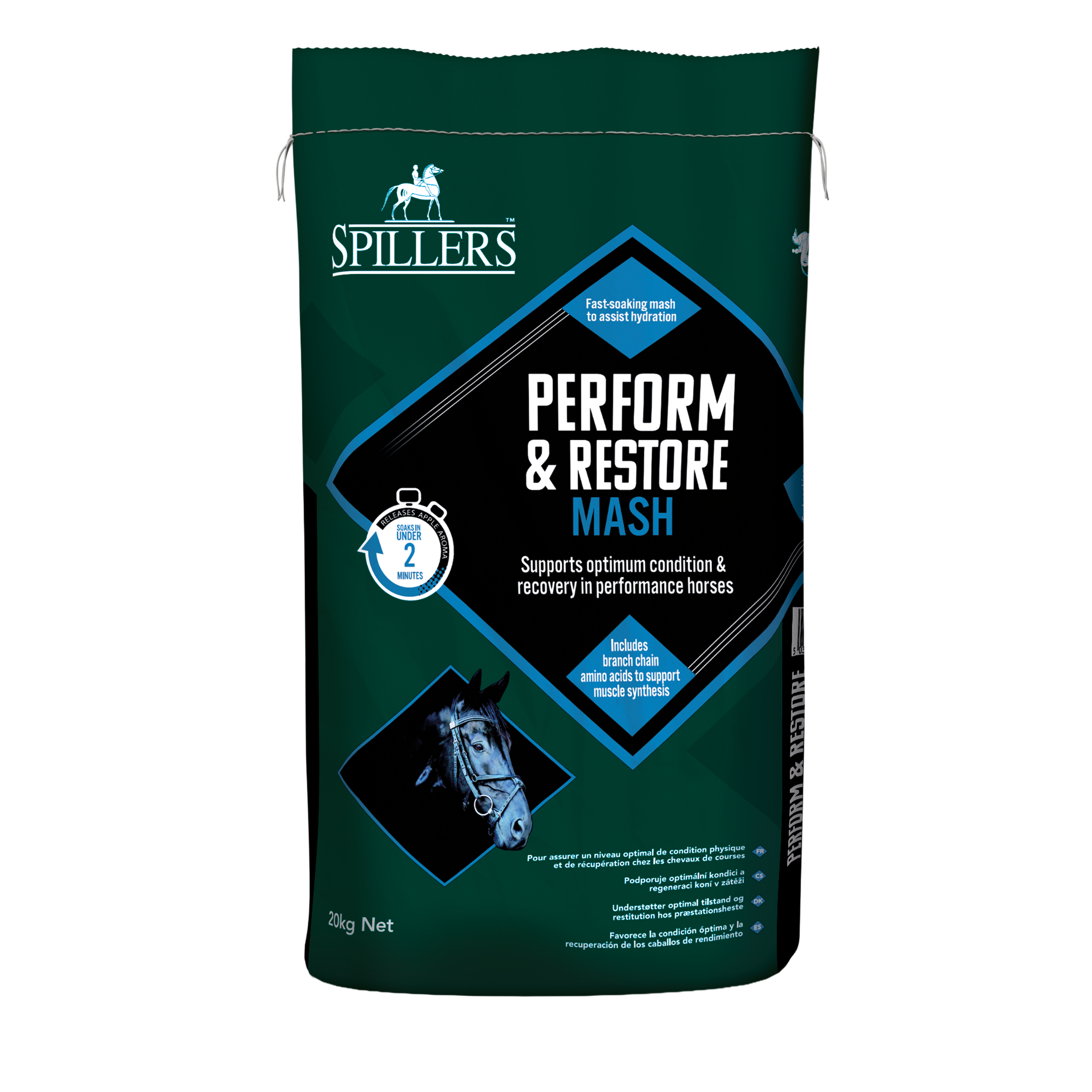
SPILLERS Perform & Restore Mash: Formulated with an irresistible apple aroma, this fast-soaking fibre rich blend supports optimum condition, provides slow-release energy and aids recovery. It is low in starch, molasses-free, and includes added vitamin C, bioavailable vitamin E, and pre- and probiotics to support digestive wellness.
Quick links
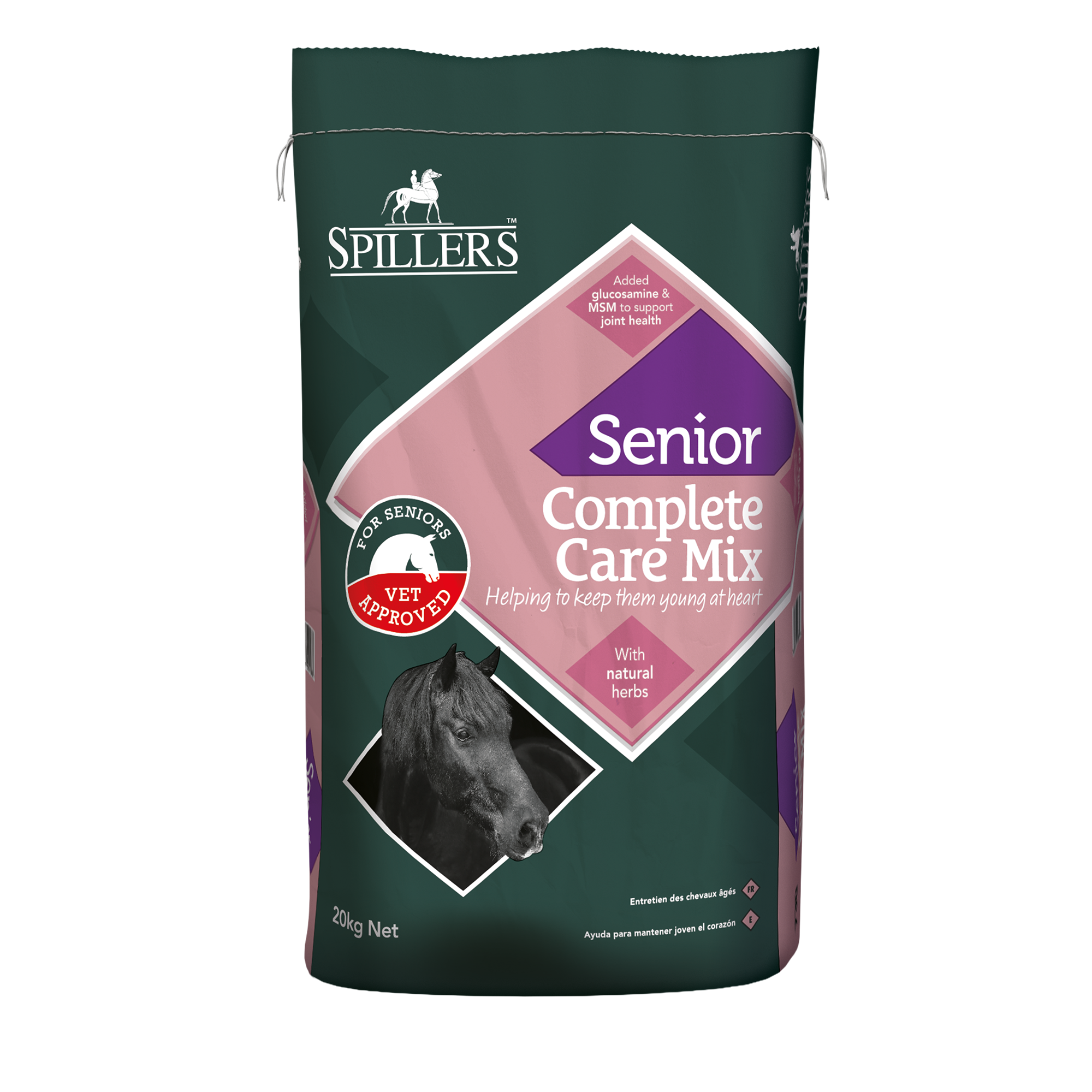
SPILLERS Senior Complete Care Mix: Not just for seniors, this tasty mix features a blend of natural herbs, with mint, rosemary, dandelion, parsley, and marigold for ultimate palatability and enjoyment. It also contains dried carrots, pre- and probiotics for gut health, and glucosamine and MSM to support active joints.
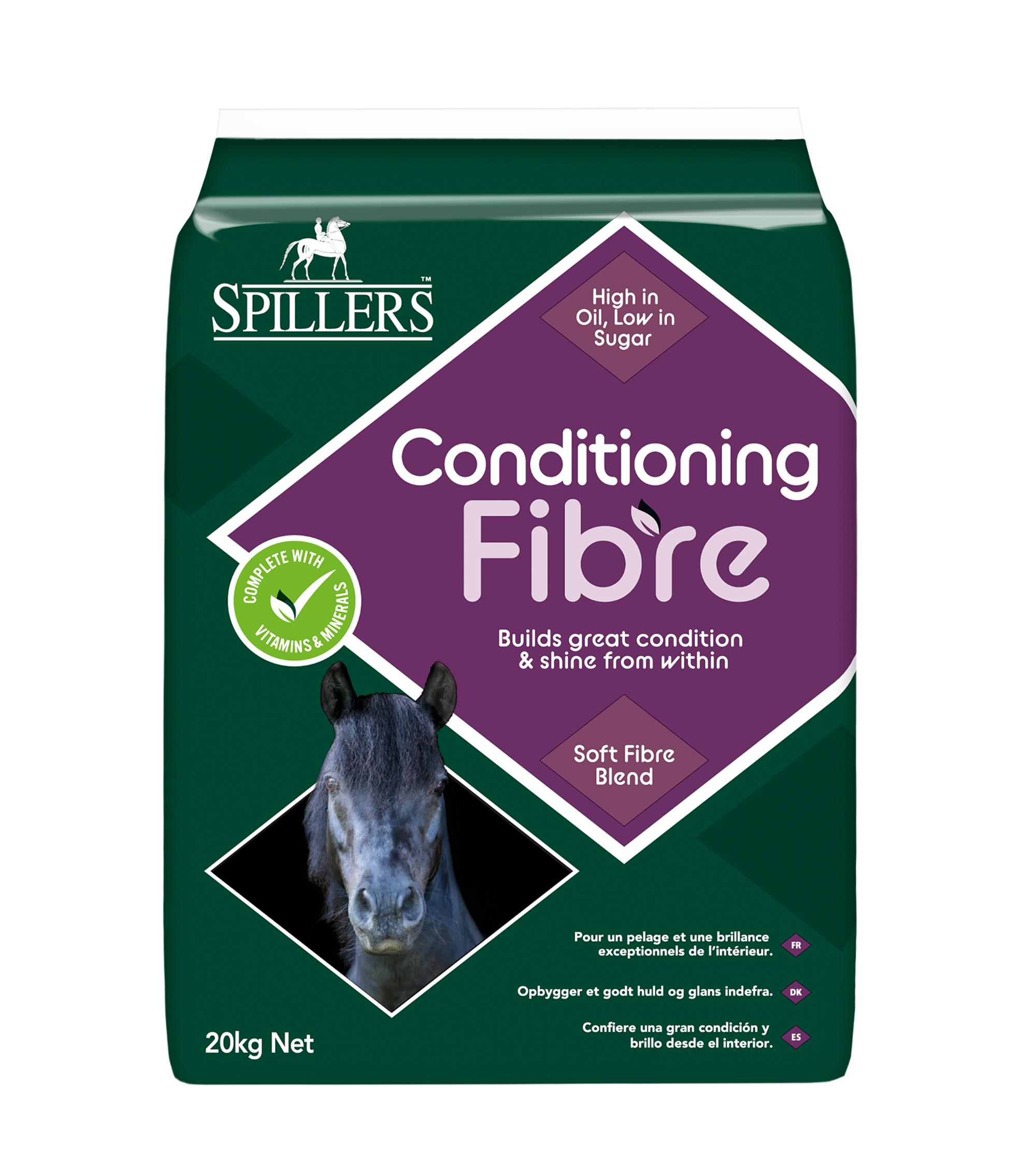
SPILLERS Conditioning Fibre: A delicious and reliable favourite within the equestrian community! This palatable blend of soft fibres, oil and vitamins and minerals is expertly designed to help build healthy condition and topline without causing excitability.
Still Stuck? Speak to the Care-Line!
Every horse is different, and finding the perfect nutritional balance for a fussy poor doer can be exhausting. You don’t have to figure it out alone though, we are here to help you make choices with complete confidence.
Our friendly team of dedicated nutrition advisors are on hand to talk through your horse's diet, offer tailored advice, or simply have a chat about what's going on in your stable.
Contact the SPILLERS Care-Line
- Telephone: 01908 226626
- Hours: Monday – Friday, 9am to 5pm
- Fill in our online consultation form

Author
Written by: Vanessa Allen
Equine Nutrition Advisor, SPILLERS
Author summary:
Vanessa has been part of the SPILLERS nutrition team for over a decade and writes evidence-based, practical feeding advice to help owners support their horses’ health, wellbeing and long-term condition.