
Freezing Weather? Practical Winter Tips to Keep Horses Healthy
When temperatures drop and water buckets freeze, winter management becomes all about the making sure the basics are done really well. Cold weather can increase risk of dehydration and digestive upsets, particularly impaction colic, so a few simple, proactive steps can make a huge difference to your horse’s comfort and wellbeing.
Below you’ll find friendly, practical tips you can put into action straight away – whether you’re caring for a good doer, a performance horse, or one of our much-loved super seniors.
Why hydration matters (especially in winter)
Adequate hydration is vital for digestion, temperature regulation and nutrient transport. Horses store large amounts of water in their gastrointestinal tract, so when water intake drops, the gut can ‘slow down’ – increasing the risk of impactions, which can be life-threatening.
In cold weather, reduced water intake and movement increase the risk of colic. Horses may drink less simply because water is cold, less appealing or iced over and inaccessible.
Some horses – particularly older horses with sensitive teeth – actively avoid very cold water altogether.
Important: If you suspect impaction colic at any time, contact your vet immediately. Signs may include reduced or hard “pebble-like” droppings, dullness, pawing or stamping the ground, reduced appetite, increased respiration rate, unexpected sweating.
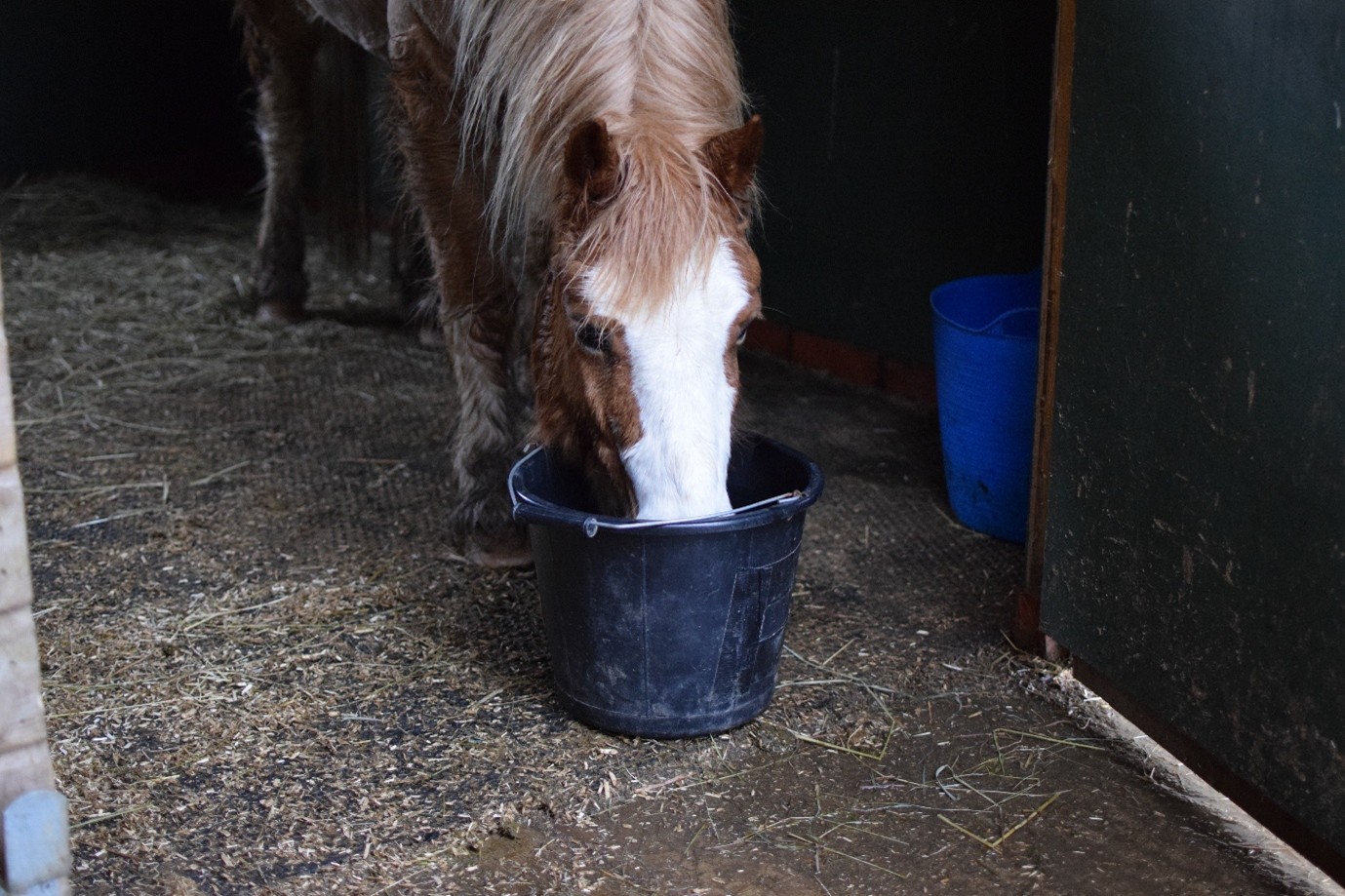
How much water should a horse drink?
On average, a 500kg horse at rest usually consumes around 20–30 litres of water per day, although this varies depending on diet, workload and weather. Horses eating dry forage (hay) need to drink more than those on fresh grass, haylage or soaked hay.
Providing clean, fresh, unfrozen water at all times is essential and can be really tricky during cold snaps. You may need to fill containers with water from home if taps are frozen, visit the yard more often to break ice, ask for help or perhaps set up a ‘water rota’ if you’re on a shared/ livery yard.
Encouraging hydration: practical winter tips
You can lead a horse to water… but here’s how to encourage them to actually drink it.
1. Warm it up
- Horses often prefer tepid water rather than cold.
- Add hot water to buckets to take the chill off.
2. Break and remove the ice – frequently
- Check water sources at least twice daily.
- Larger containers freeze more slowly than small buckets.
- Automatic drinkers may be more problematic if the pipes freeze and it may be necessary to provide buckets as well or instead.
3. Offer multiple water sources
- Provide several buckets or troughs so there’s always a backup if one is knocked over in frustration/ play or emptied quickly.
- This also helps ensure lower-ranking horses still have access.
4. Flavour (carefully!)
- A splash of apple, carrot or other juice can tempt fussy drinkers.
- Always offer plain water alongside it.
- Always consider the risk of accidentally adding prohibited substances if you are competing under affiliated rules.
Boost hydration through the bucket feed
One of the easiest ways to increase water intake in winter is feeding soaked feeds or mashes.
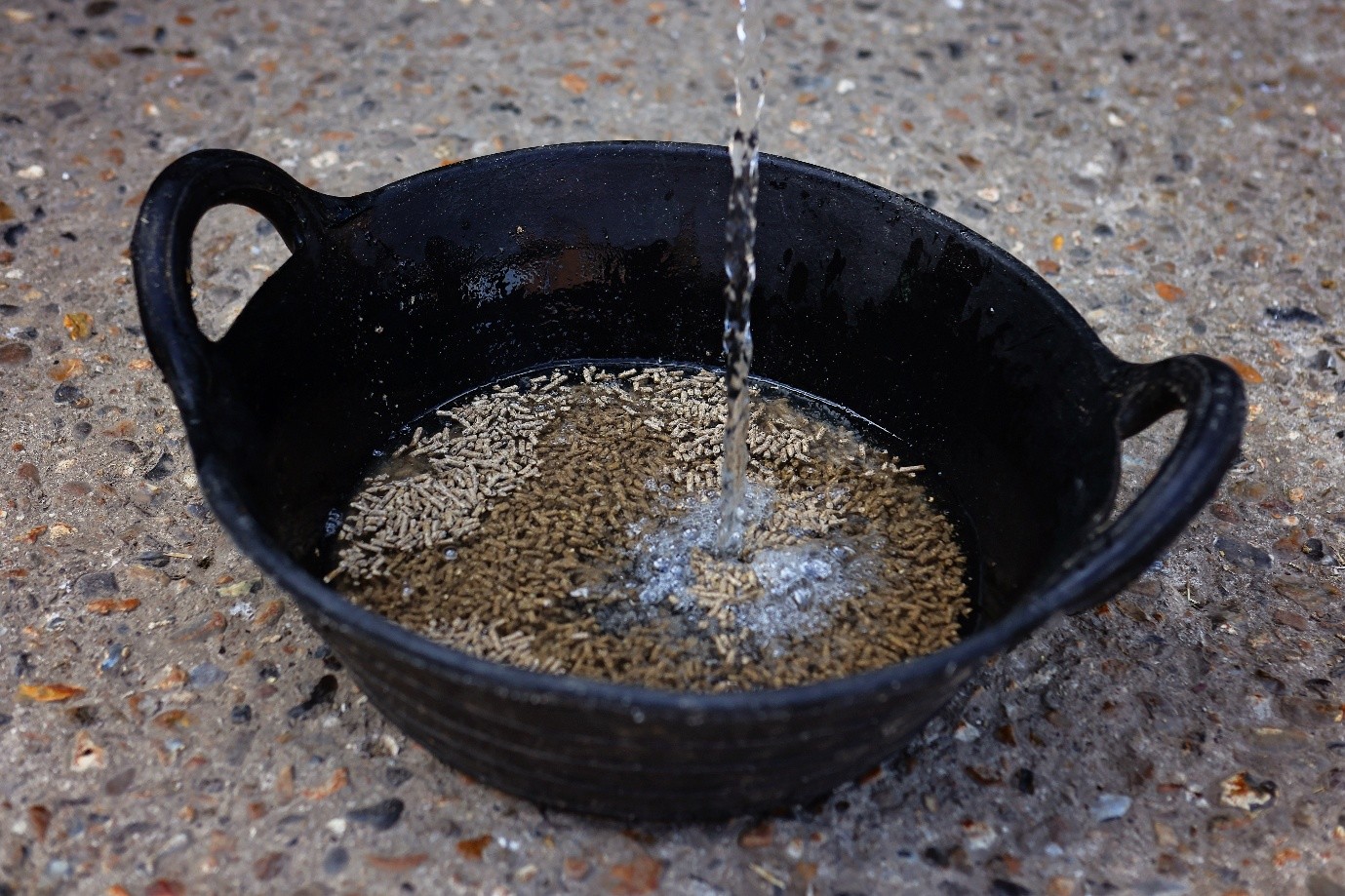
Mashes for hydration
Any feed that requires soaking will naturally increase fluid intake. When soaked as directed, for every Stubbs scoop (dry volume) of mash fed approximately 3-4 litres of water is consumed before your horse even takes a sip from their water bucket.
Warm, sloppy mashes have been shown to encourage some horses to drink more overall.
What about mashes for good doers?
Even horses on calorie-restricted diets can benefit. A token lower calorie mash (around 500g per day or less for a 500kg horse) made extra sloppy adds minimal calories but can significantly increase water intake and bucket feed volume – helping hydration without compromising waistlines.
Forage: fuel, fibre and warmth
- Plenty of forage keeps the gut moving and generates internal heat.
- Increasing forage intake is one of the best ways to help horses stay warm.
- For really good doers (with good teeth and assuming not prone to colic) consider slowly introducing some straw to keep them eating and staying warm for longer.
- Soaked hay increases water intake (though not always practical in freezing conditions).
- Haylage has a higher moisture content than hay, but any forage change must be made gradually.
Keep the gut moving in winter
Cold weather often means less movement – and less movement slows digestion.
- Turnout as much as possible, even if it’s shorter than normal.
- Provide forage in the field, especially if the grass is frozen or under snow.
- Regular exercise, even hand-walking supports gut motility.
- Choose low-starch, fibre- and oil-based feeds over high cereal diets to reduce the risk of colic and gastric ulcers.
- Make all dietary changes slowly wherever possible.
- Minimise stress by maintaining routines as best as possible.
- Consider digestive support such as pre and probiotics to support the hindgut.
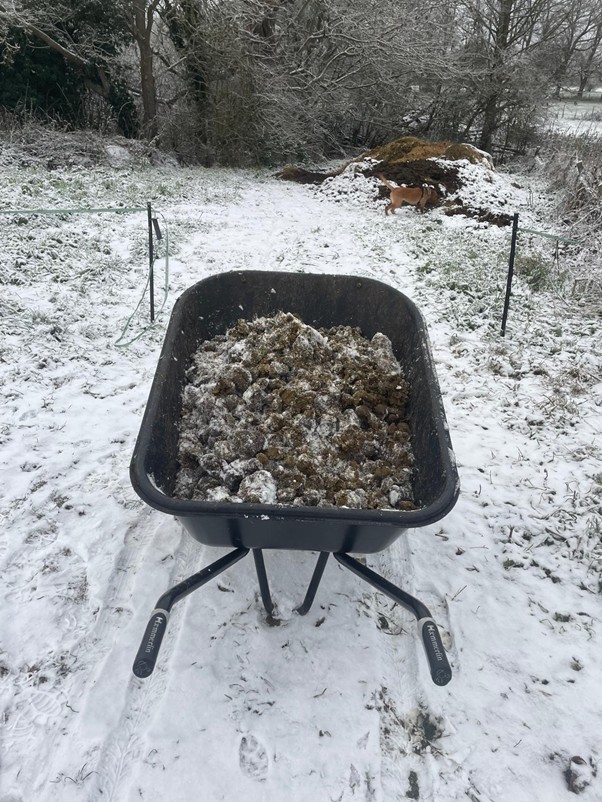
Remember - Keep an eye on droppings
Hard, dry, unusually wet or reduced droppings may be a sign that hydration or gut health needs attention
Need tailored advice?
Every horse is different – from good doers to seniors, leisure horses to athletes. If you’d like personalised feeding and management advice during freezing weather, our expert nutrition specialists are here to help year round.
👉 Contact the SPILLERS Care-Line for friendly, practical support tailored to your horse.
And finally: if you ever suspect impaction colic, contact your vet immediately..
Popular Blogs
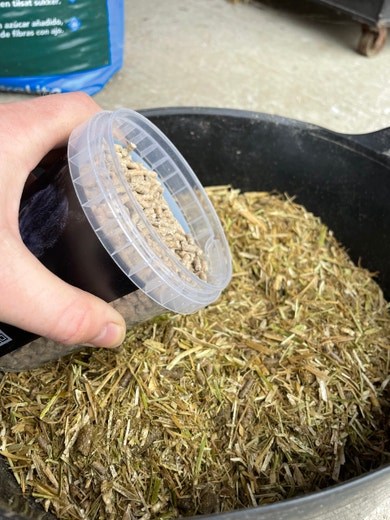
SPILLERS Daily Balancer vs SPILLERS Original Balancer
With so many balancers on the market, it can be hard to decide which is most suited to your horse.What is a balancer?Balancers are small, nutrient dense feeds (often pellets) designed to provide a concentrated supply of vitamins, minerals and amino acids. Due the low feeding rate - typically 500g per day or a 500kg horse - balancers provide negligible amounts of energy (calories), starch and sugar per daily serving, making them the ideal choice for good doers.
Read now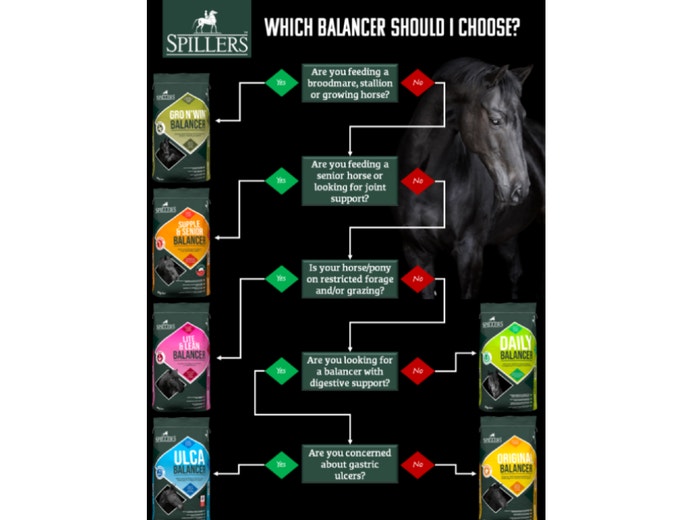
Which balancer does my horse need?
What is a balancer? Balancers are small, nutrient dense feeds (often pellets) designed to provide a concentrated supply of vitamins, minerals and amino acids. Due the low feeding rate - typically 500g per day or a 500kg horse - balancers provide negligible amounts of energy (calories), starch and sugar per daily serving, making them the ideal choice for good doers.
Read now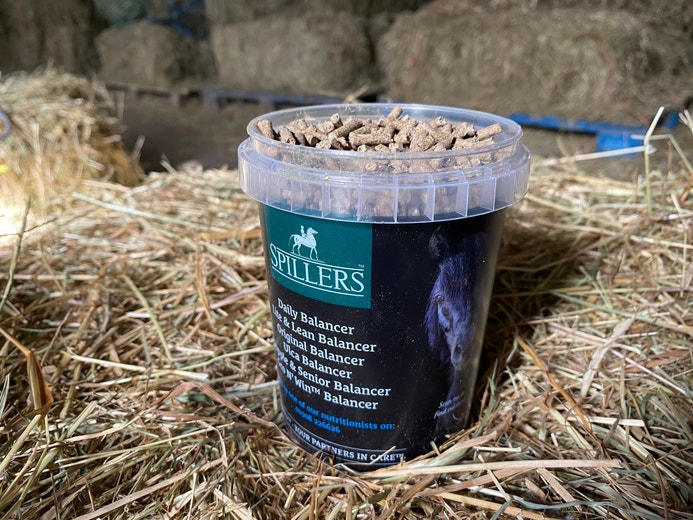
Are balancers expensive?
At first glance balancers may seem like an expensive option, but the low feeding rate makes them a convenient and cost-effective solution for good doers…
Read now
Optimal Health During a Heatwave: How to Adjust Your Horse's Diet | Spillers Feeds
With the UK set to have one of the hottest and driest summers on record, most of us are relishing the opportunity for sunbathing and al-fresco dining. But what does this temporary change in climate mean when it comes to feeding our horses?
Read now