
Managing Spring Grazing for Horses Prone to Laminitis
When it comes to laminitis there are many factors involved, with much still to learn about this condition one thing we do know is that obesity increases risk.
Excessive consumption of spring grass has long been associated with bouts of laminitis. Managing both your horse’s weight and grass intake are a must if you’re at all concerned about your horse or pony developing this crippling ailment.
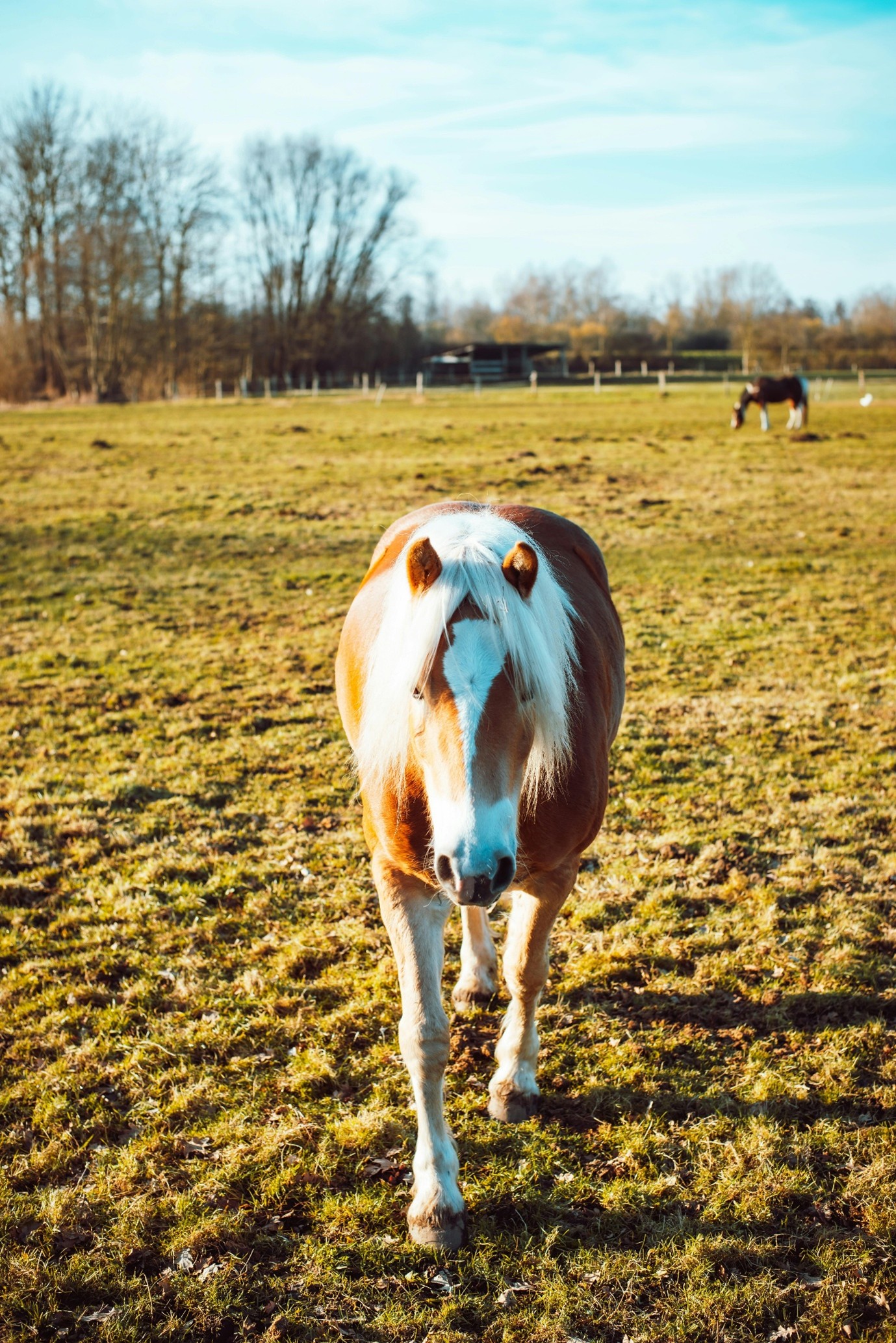
Five Frightening Facts
Ponies living out at grass 24/7 could consume:
- Enough calories to fuel a racehorse each day!
- More calories than they would eat from half a bag of conditioning cubes!
- Almost 2kg of simple sugars per day from grass alone!
- Nearly 1% of their bodyweight in grass (dry matter) in just 3 hours grazing time!
- Enough to gain around 16% of their bodyweight in just 6 weeks! (that’s 2st for an 11st human!!)
What is Hyperinsulinemia-Associated Laminitis (HAL)?
HAL is now considered the most common form of laminitis and includes cases of laminitis associated with Pituitary Pars Intermedia Dysfunction (PPID) or Equine Metabolic Syndrome (EMS). Despite ongoing research, the exact sequence of events or ‘mechanism’ that leads to the development of laminitis still remains elusive. HAL may be triggered by the horse/ pony eating enough non-structural carbohydrate (NSC) or ‘starch and sugar’ from feed or forage to cause a sufficiently high or persistent increase in the amount of insulin circulating in the blood, although exactly how this causes laminitis is still not clear.
7 Ways to Manage Spring Grazing Safely
To help you manage your horse or pony’s grass (and sugar) intake here are a few ideas…
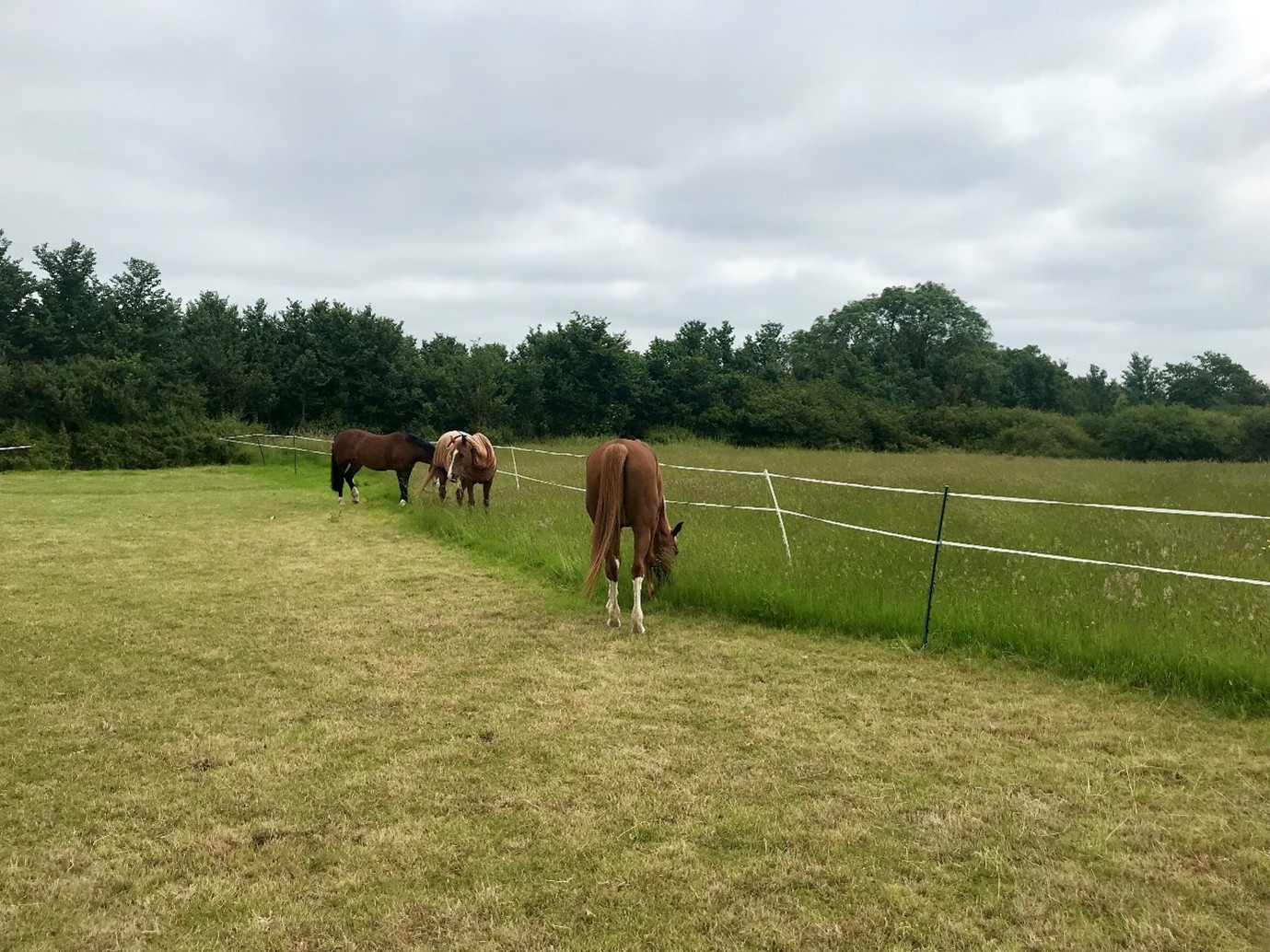
1. Set up a strip grazing system: reducing the grazing area helps to limit grass availability, the fence should be moved a little each day. Strip grazing has been shown to reduce the amount of weight gained.
2. Turn out at night: Overnight typically grass will contain less sugar and fructan (Water Soluble Carbohydrate), so may be a more suitable time to allow your horse access to grazing. Similarly, WSC is likely to be lower on cloudy days or in shady areas of the field.
3. Be cautious of simply restricting their time out grazing: Ponies are particularly smart and learn to maximise their time eating. Studies show dedicated munchers can consume 60% of their daily intake in just 3 hours grazing!
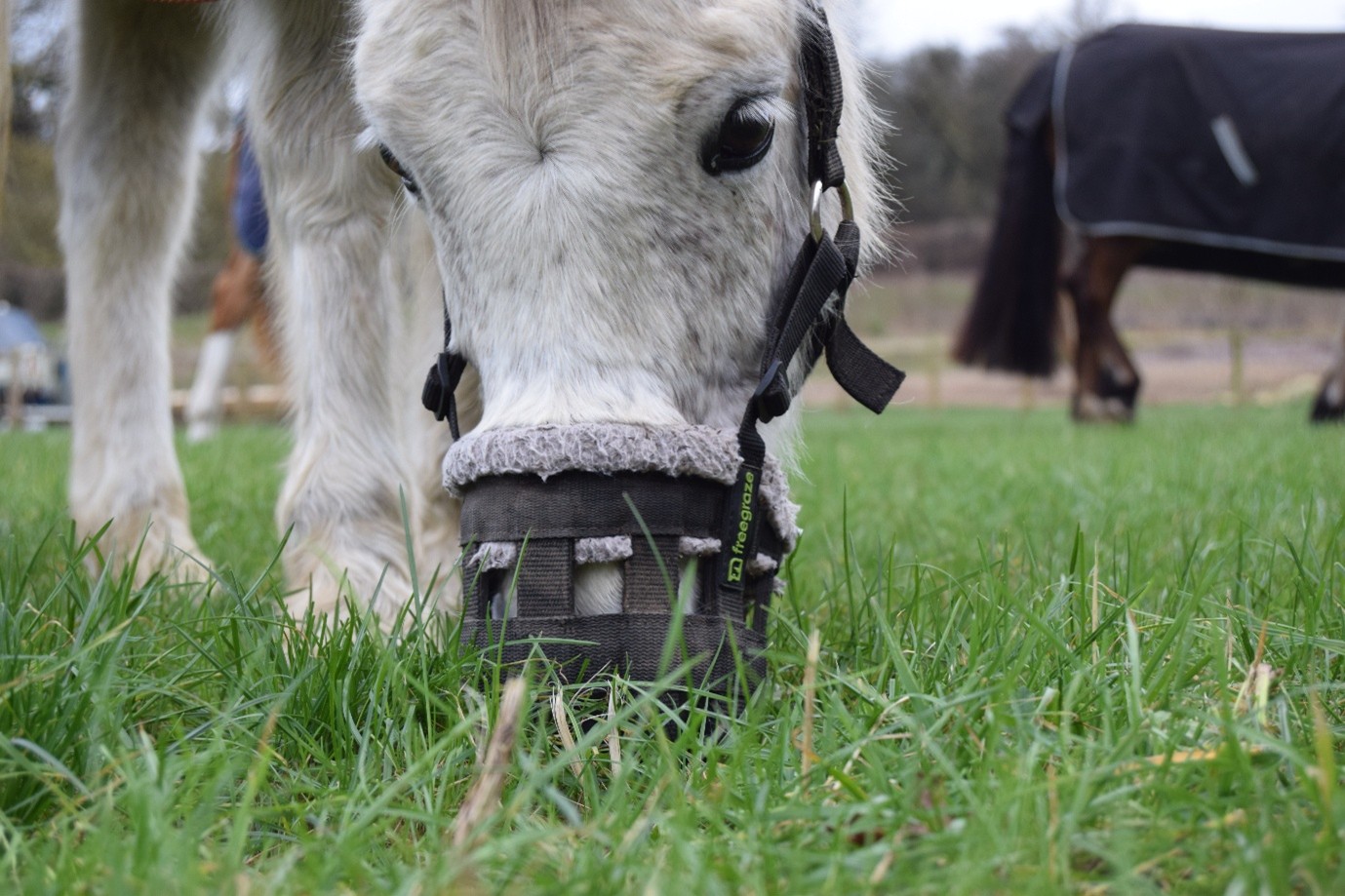
4. Try using a grazing muzzle: Grazing muzzles have been shown to reduce grass intake by up to 80%! Make sure the muzzle is well fitting, allow your horse or pony to get used to it before leaving it on unsupervised and don’t leave a muzzle on 24 hours a day.
5. Build a track system: Although not an option for all yards, creative track systems are an increasingly popular way of increasing movement and enrichment while restricting calorie intake.
6. Get to know your horses’ paddocks: Avoid pastures with grasses likely to a have high WSC level content e.g., predominantly rye grass pastures.
7. Use grass free areas: For those at very high risk, consider non-grass turnout, especially when grass is at its most abundant. Wood chip pens, arenas, yards, or any suitable grass free areas encourage movement and allow time socializing.
Supporting Horses at Risk of Laminitis
We know that not all yards can cater for all of the above suggestions but hope that these ideas inspire you to take action ahead of the inevitable grass flush this spring. With potentially 1 in 10 horses and ponies at risk of laminitis, head to our special Laminitis guide HERE for further information on managing those at risk. There’s heaps of detailed information on grazing management alongside extra on the risks of obesity, forage management, balancing diets, supporting energy levels and more in our newly expanded Slimmers’ Hub here!
Personalised Support When You Need It
Our nutrition specialists are available to offer tailored advice, ensuring you get the most from your horse’s diet.

Call us
01908 226626

Fill in our online
consultation form here(open in new tab).

Popular Blogs
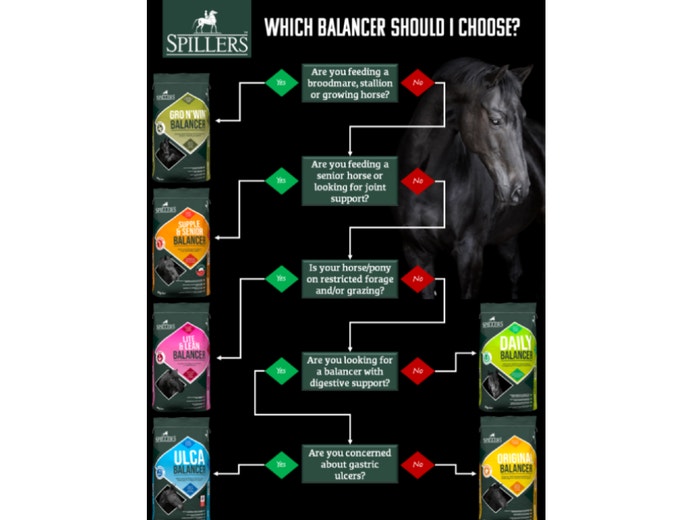
Which balancer does my horse need?
What is a balancer? Balancers are small, nutrient dense feeds (often pellets) designed to provide a concentrated supply of vitamins, minerals and amino acids. Due the low feeding rate - typically 500g per day or a 500kg horse - balancers provide negligible amounts of energy (calories), starch and sugar per daily serving, making them the ideal choice for good doers.
Read now
Are balancers expensive?
At first glance balancers may seem like an expensive option, but the low feeding rate makes them a convenient and cost-effective solution for good doers…
Read now
Optimal Health During a Heatwave: How to Adjust Your Horse's Diet | Spillers Feeds
With the UK set to have one of the hottest and driest summers on record, most of us are relishing the opportunity for sunbathing and al-fresco dining. But what does this temporary change in climate mean when it comes to feeding our horses?
Read now
9 Spring grass facts every horse owner should know
Spring has finally sprung! While many have sworn by the benefits of ‘Dr Green’ for generations, it’s not without its pitfalls. Knowing the facts can help you decide on the most suitable management for your horse this spring.
Read now