
Shaking Out the Rugs: Getting Your Horse Ready for Autumn
Can you feel it? The mornings are suddenly feeling that little bit fresher, and the evenings are drawing in noticeably quicker. After a particularly hot and dry summer, we’re finally reaching for long sleeves.
As seasoned horse owners, we know the British weather can change by the hour, let alone day. Before we know it, we’ll be digging out the winter rugs from the depths of the tack room, keeping our fingers firmly crossed that the mice haven’t damaged them.
As the seasons change, our horses' routines inevitably do too. Grass is replaced by hay - we might be well ahead of the curve on this one after zero grazing already - and our horses may start spending more time stabled. Those with year-round turnout or all-weather turnout spaces – we envy you!
Change is in the air, but with a little forethought the transition can be smooth and stress-free. To help you navigate this seasonal shift, we’ve put together our favourite practical tips and tricks to keep your horse happy, healthy, and thriving this autumn
Preparing Your Horse's Diet for Autumn
With grass likely to change particularly fast this autumn, the nights drawing in giving us less time to ride after work, and yard routines likely to change as the clocks fall back, don’t forget to consider how this impacts your horse’s digestive system. Planning ahead reduces likelihood of digestive setbacks and keeps them happy.
1. Introduce Dietary Changes Slowly
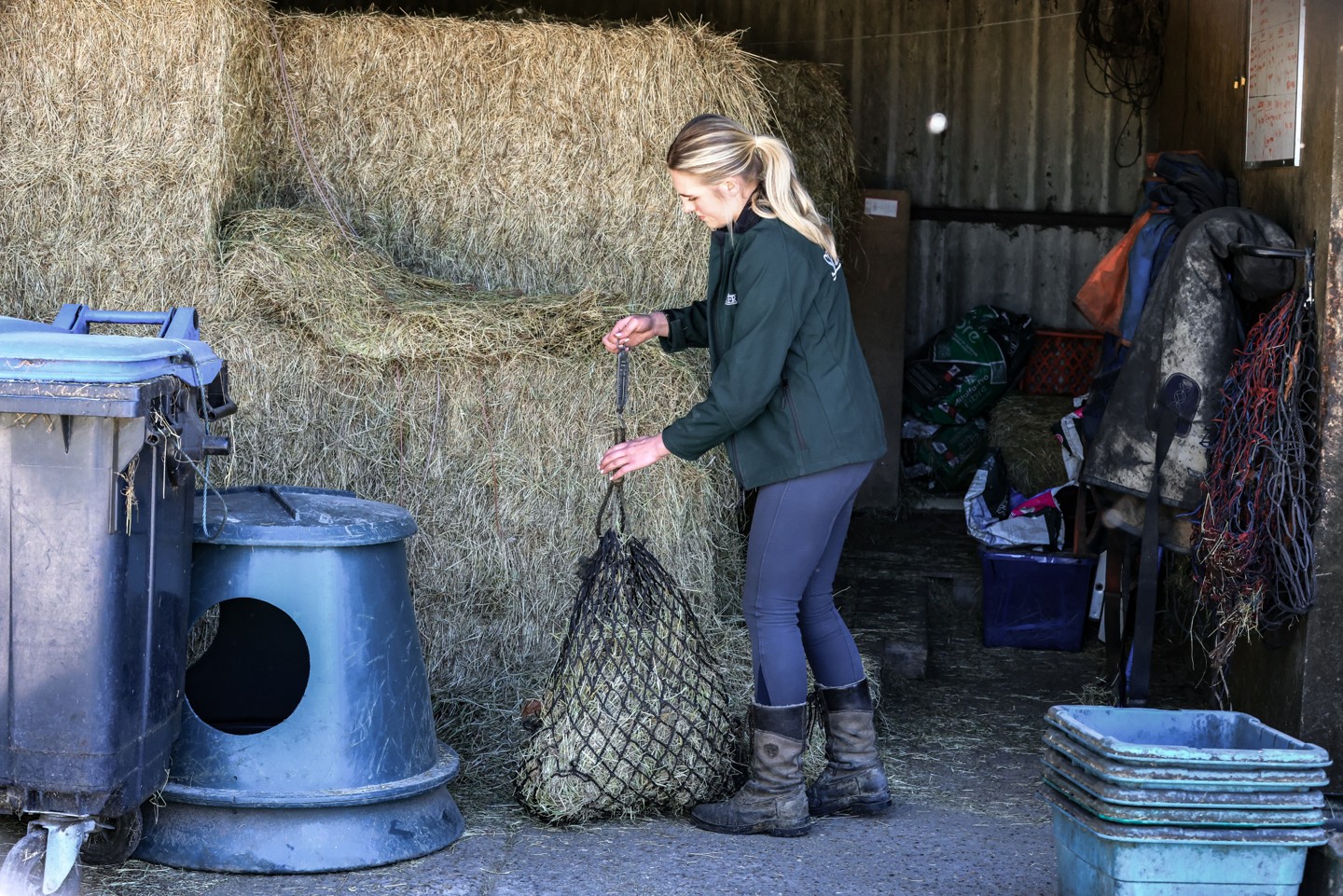
Whether you are opening a new batch of hay, changing paddocks, or starting a new bucket feed, the golden rule is make changes gradually. Try to introduce any new feed or forage over a period of 7 to 14 days. Your horse’s gut microbiome is a delicate ecosystem of trillions of microbes that cope better when given time to adapt to new fibre sources and feed ingredients. Making changes slowly is the best way to reduce the risk of digestive upsets.
2. Support Gut Health from the Inside Out
Choosing feeds with added prebiotics and probiotics can help maintain a more stable hindgut environment. Here is how you can support your horse's unique digestive needs:
| Nutritional Goal | Recommended SPILLERS Support |
| Good doers – Provide essential vitamins, minerals, and quality protein but minimal calories. | SPILLERS Ulca Balancer: A low-calorie balancer with probiotic live yeast and prebiotic MOS & FOS to support gastric and hindgut health. |
| Poor doers or those working hard – Calories from fibre and oil, low sugar and starch diet to maintain condition and ensure a balanced diet. | SPILLERS Digest+ Conditioning Cubes: Highly digestible calories to promote condition, topline and good digestive health. |
| Targeted Stomach Support – Extra support for horses and ponies prone to or at risk of gastric ulcers. | SPILLERS Ulca Ease: A high spec supplement targeted to support gastric health on top of a balanced diet. |
3. Tailor Your Weight Management Strategy
Good doers and poor doers should ideally be managed differently regardless of time of year. Here’s our suggestions on how you can tailor your approach:
| Horse Type | Autumn Weight Management Strategy | Actionable Tip |
| Poor Doers | Assuming they’re not laminitic, make the most of good autumn grass and encourage a little weight gain early to act as a "buffer" they can use once the real winter cold sets in. | Upgrade to more calorie-dense feeds before they lose weight and increase high-quality forage availability. |
| Good Doers | Be mindful of autumn grass flushes and restrict access to pasture if needed. Cooler weather works in your horse's favour; they may burn more calories to naturally stay warm. | Resist the urge to rug too soon! Allow their body fat reserves to act as a natural insulator to help them stay warm. |
4. Step Away from "Assessing by Eye" to Monitor Body Condition
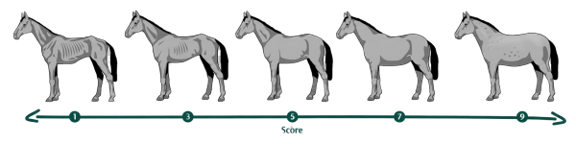
Visual appearance alone can be deceptive. Create a habit of using a weigh tape and carrying out hands-on body condition scoring (BCS) and keep track of results. Feeling for fat over their crest, shoulder, ribs, loins and tail head underneath that growing coat will give you an accurate picture of their true condition. Subtle changes allow you to tweak their diet before any visible changes occur.
Quick links
What is Body Condition Scoring (BCS)?
Body Condition Scoring is a hands-on technique used to assess your horse's fat cover over six key areas of their body (like the neck, ribs, and hindquarters). It is the most reliable way to monitor weight changes under growing winter coats!
New to BCS? Read our step-by-step guide on how to score your horse here!(open in new tab)
5. Smart Forage for Good Doers
We know how tough it can be to manage a horse who seems to live on fresh air, especially when they’re not exercising. Keeping them occupied without overfeeding can be a real balancing act. One useful tip is to feed clean, good-quality straw to replace up to 50% of their daily forage ration. Straw is more fibrous than hay, so takes longer to eat, which is particularly beneficial for good doers on limited rations. Increased chewing provides more saliva to naturally support digestive health. Straw is also lower in calories and sugars so helps reduce their overall intake too.
Top Tip: Feeding Straw Safely
Want to dive deeper into how to incorporate straw into your horse's diet safely? We've got you covered.
Read our full, evidence-based guide on feeding straw to horses here!(open in new tab)
6. Breathe Easy: Prioritise Respiratory Health
More time spent in the stable means more exposure to dust and airborne allergens. If your horse is spending more time indoors, always opt for low-dust bedding options and high-quality, clean forage.
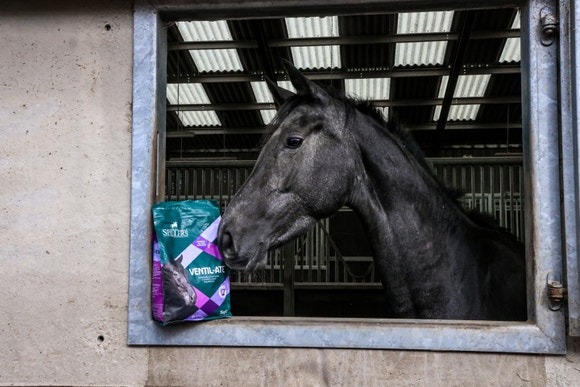
To give those with more sensitive lungs extra support, consider adding a targeted supplement like SPILLERS VENTIL-ATE to their daily feed. Formulated with key antioxidants, it’s scientifically proven to support your horse’s natural lung defences from the inside out.
7. Avoid Unwanted Excitability
When your horse is stabled more, there can be bouts of more excitable behaviour under saddle – especially after that first autumn clip or on blustery winter days.
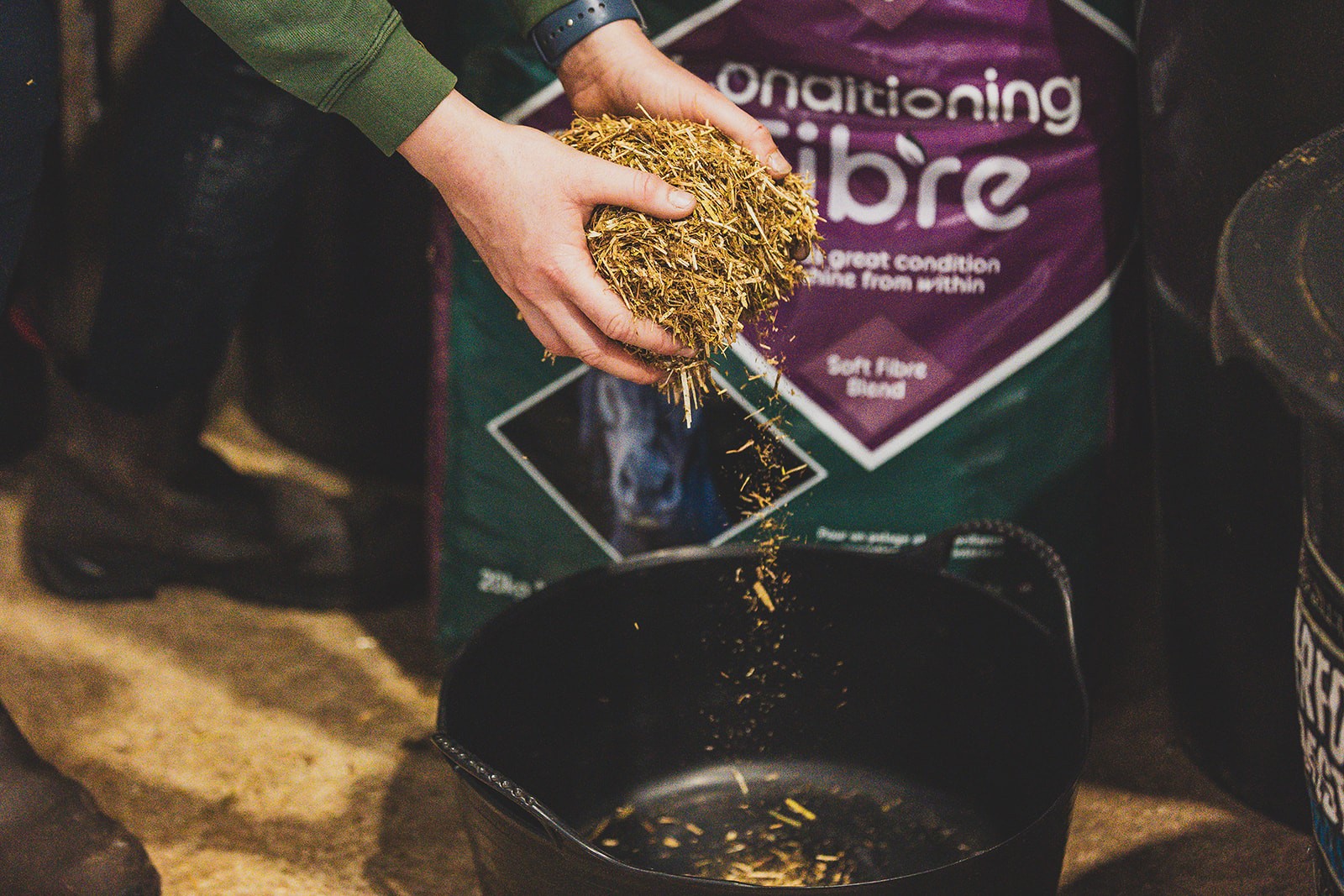
Look for feeds without the fizz – choose slow-release, non-heating energy sources like high-fibre and oil feeds. Oil delivers excellent calorie density without the ‘heating’ starch levels found in cereal grains. Opt for quality chopped fibres or conditioning mashes to supply the calories they need, these can help some horses stay more focused and calm. SPILLERS Conditioning Fibre is a super tasty, fibre blend that provides plenty of slow-release energy and keeps your horse happily chewing for longer.
8. Manage that "Autumn Flush" carefully
Many owners associate laminitis risks with spring pasture but forget the autumn grass flush can also be deceptively high in simple sugars and fructans! As pasture growth patterns shift with the cooler, wet weather, keep a close eye on those prone to laminitis and be prepared to restrict grazing. Utilising tools like strip grazing, track systems, or grazing muzzles can help you carefully manage their pasture intake during this high-risk period.
Need a Helping Hand?
Every horse is a unique individual with their own story, personality, and nutritional needs. Whether you are prepping a super senior for the winter months, trying to manage a chunky cob, or simply want a reassuring second opinion on your forage for your sports horse, we’d love to help.
Our friendly, expert nutrition team is standing beside you at the yard. Let's work together to create a detailed, bespoke feeding and forage plan tailored specifically to your horse.
Contact the SPILLERS™ Care-Line
- Telephone: 01908 226626
- Hours: Monday – Friday, 9am to 5pm
- Fill in our online consultation form

Author
Written by: Vanessa Allen
Equine Nutrition Advisor, SPILLERS
Vanessa Allen | LinkedIn(open in new tab)
Author summary:
Vanessa has been part of the SPILLERS nutrition team for over a decade and writes evidence-based, practical feeding advice to help owners support their horses’ health, wellbeing and long-term condition.