
Supporting Good Joint Health – Keep Your Senior Horse Comfortable
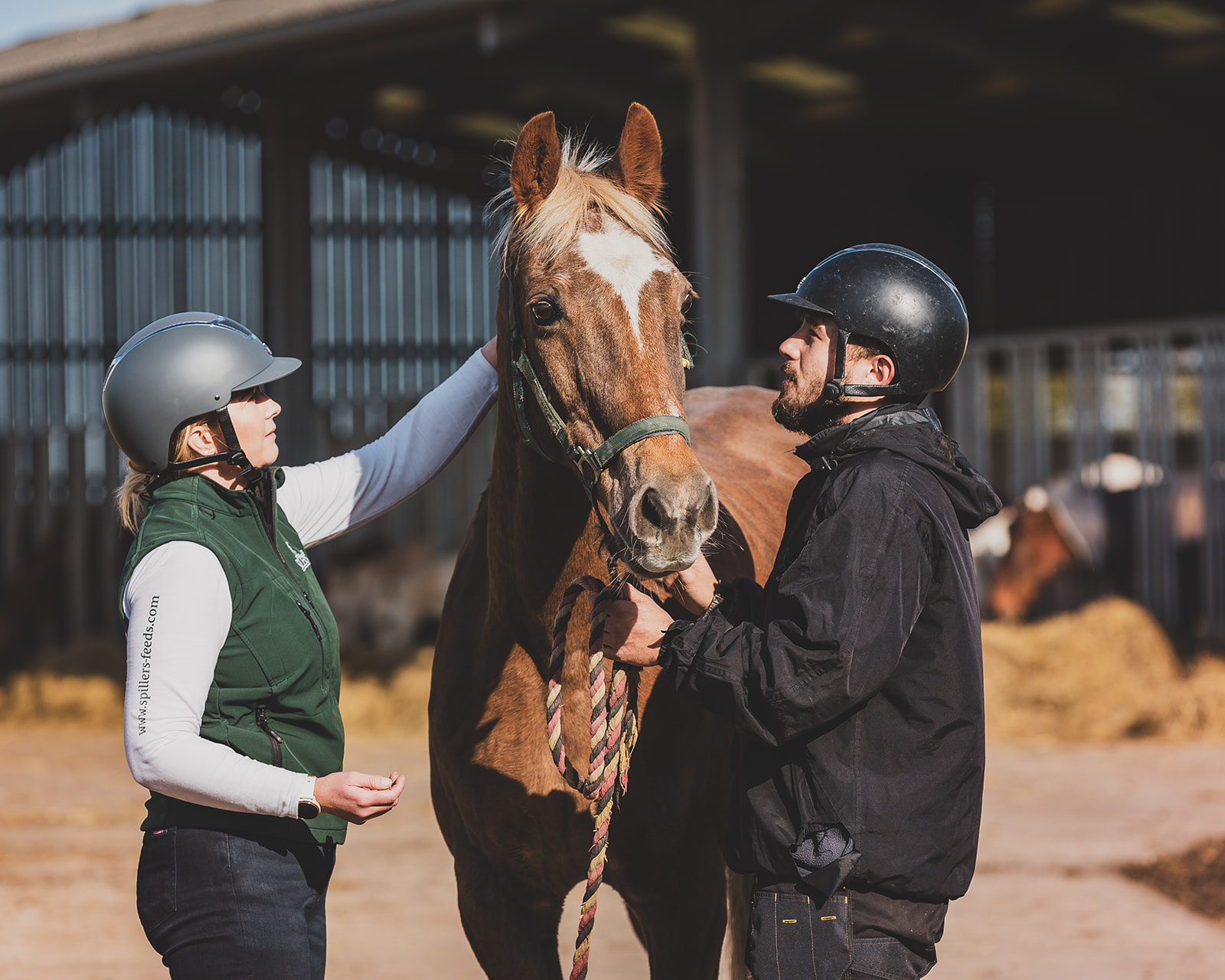
Caring for older horses is a privilege, but it does come with some extra challenges. In 2024 SPILLERS conducted a Senior Horse Survey which found that 44% of senior horses and ponies showed signs of stiffness or arthritis. With almost half of over 5,000 horse owners and carers sharing this experience, it’s a reminder that joint health is an important concern as our golden oldies age.
Reaching for a joint supplement is simple and many owners find them helpful. However, supporting your horse’s comfort involves far more than that alone. Here we explore some practical, compassionate ways to help your senior horse continue to feel their best.
Weight Matters!
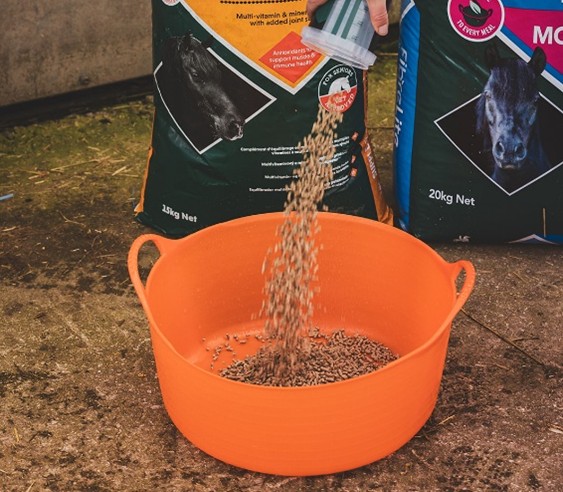
Keeping your horse or pony's waistline in check as they age is just as important as ever! Carrying excess weight not only puts extra strain on their joints but increases risk of many other health issues too. If your senior is a good doer and maintains weight easily (or maybe too easily!) on forage alone, feed balancers are a great option for ensuring they receive a balanced diet through minimal calories. Unlike typical vitamin and mineral supplements, balancers provide amino acids which help support muscle and topline and maintaining muscle health in seniors can support ease of movement too. Some balancers even contain joint supporting ingredients too.
Feed & Management Tips
Joint pain doesn’t just affect your horse’s legs! It can occur in any joint(s) and can impact appetite and overall wellbeing. If you notice discomfort, it’s important to discuss a pain management plan with your vet.
Spend time observing your horse’s ‘normal’ behaviour and keep an eye out for signs of change. Are they resting more than grazing these days? Horses regularly found snoozing while others are grazing may feel unable to lie down and rest fully due to pain from arthritis.
Arthritis in the neck or forelimbs can make simple tasks like pulling hay from a net or lowering the head to eat or graze from the ground painful. Try offering feed, forage, and water from raised buckets, mangers, or troughs to make eating more comfortable.
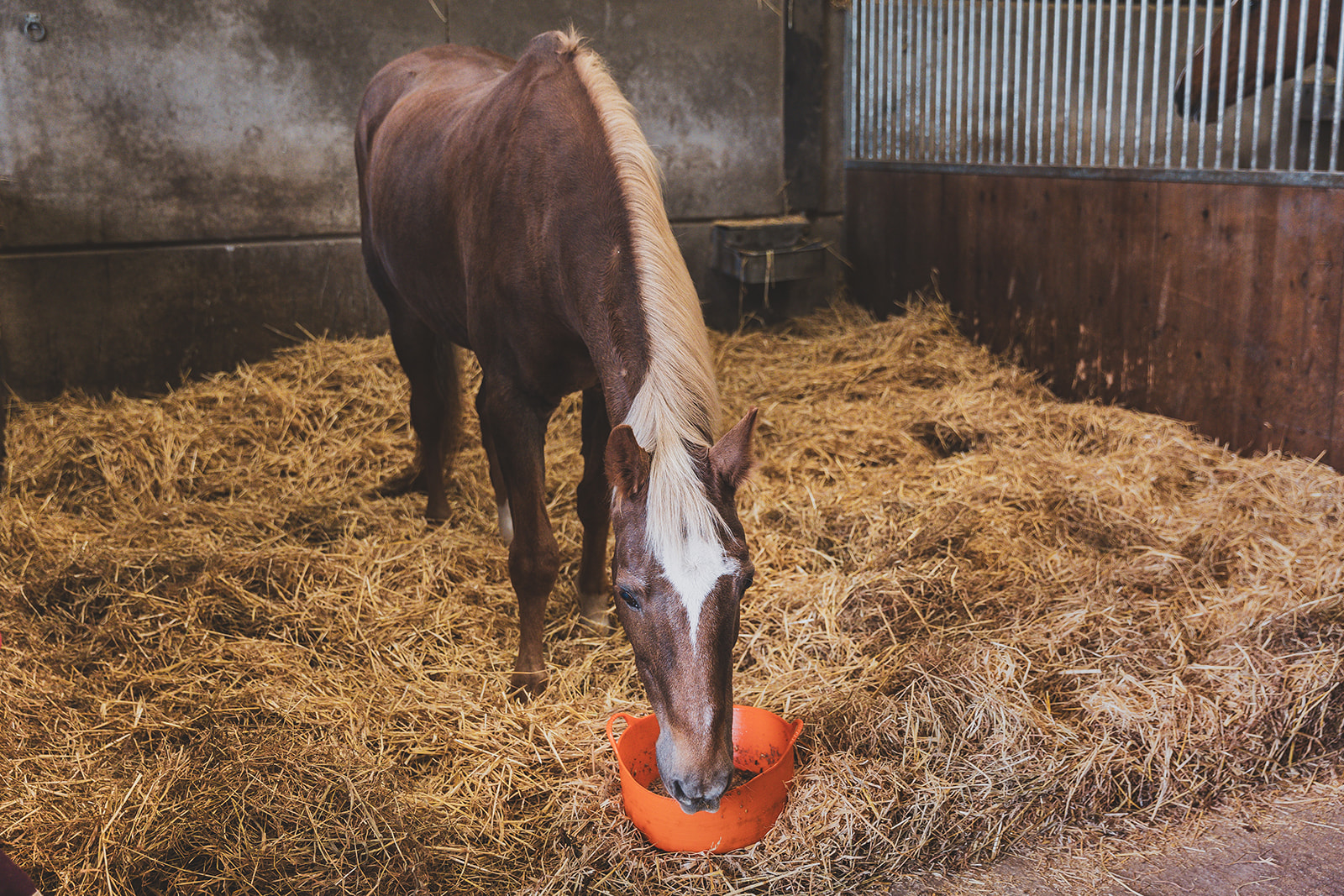
Arthritis in the jaw can make grinding food less enjoyable. If your horse is slower chewing or reluctant to eat, it might not be just dental issues - but regular dental check-ups are still a must.
Adjusting their workload may be essential, consider the type and intensity of their exercise. The days of intense schooling and 10-metre circles may no longer be the best option but hacking on flat, even ground could be both comfortable and beneficial. At some point retirement from ridden work is likely the kinder choice but continue with groundwork to help maintain mobility and topline and provide enrichment.
Try to avoid long periods stabled – things often stiffen up when not mobile. Turnout allows for gentle self-regulated exercise which helps to keep senior joints moving without excessive strain.
Be mindful of the terrain and try to avoid paddocks with uneven ground, deep mud, or steep inclines which could increase joint strain. Consider using mats or other options around gateways if they’re getting poached.
Supplements
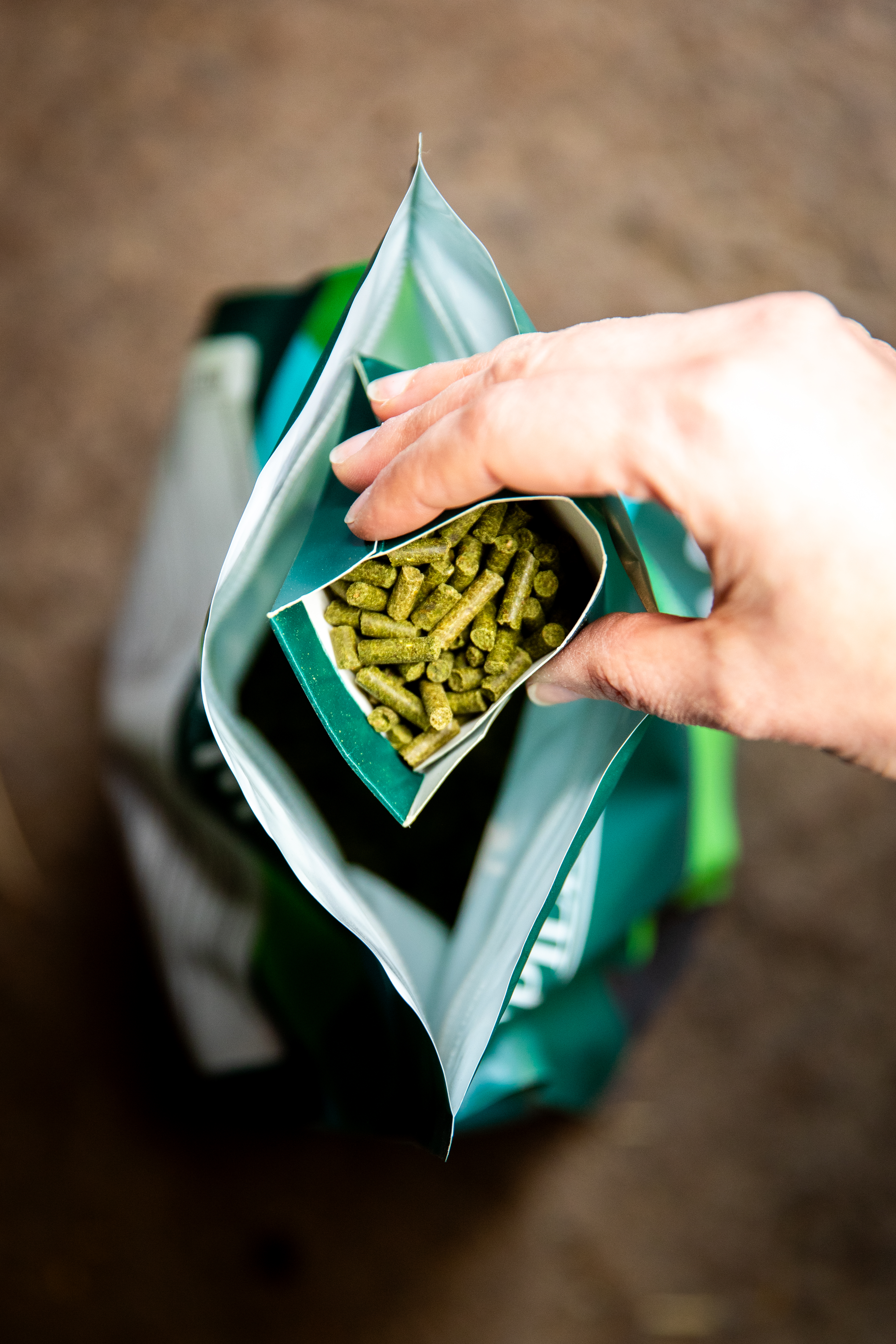
Many horse owners find feeding supplements helps to support joint health and comfort. There’s a multitude of ingredients to choose from, with some believed to help with joint lubrication, cartilage health and others thought to support the body’s normal inflammatory response. Scientific evidence in this area is still quite limited and recommended daily intake levels have not been formally established. Choosing a supplement combining several ingredients may be more effective than relying on a single one.
Common ingredients include:
Glucosamine
Chondroitin sulphate
MSM
Hyaluronic acid
DHA Omega 3 fatty acid
Traditional ‘joint supporting’ herbs:
Boswellia
Rosehips
Devil’s Claw
Remember: beware of bold claims - if any supplement sounds too good to be true it probably is!
Tip: If your super senior is still competing, choose a supplement (and feed) which is BETA® NOPS approved – this means the company follows best practice to minimise the risk of contamination from NOPS (Natural or Other Prohibited Substances). All SPILLERS™ supplements are BETA® NOPS approved, giving you peace of mind.
Did you know? It is illegal for companies to claim supplements can cure, prevent or treat joint disease/ stiffness, or use words like ‘improve’ or ‘soothe’ for clinical conditions - this is true for all feeds and supplements.
For specific advice on your senior horse’s diet and management you can call our friendly nutrition specialists via the SPILLERS Care-Line on 01908 226626. To join SPILLERS Super Seniors’ Club for more advice and tips and be part of our supportive community click here
Popular Blogs
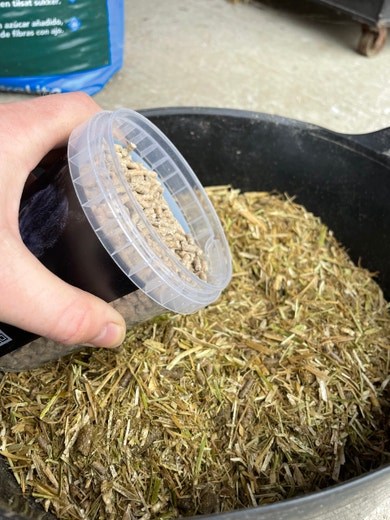
SPILLERS Daily Balancer vs SPILLERS Original Balancer
With so many balancers on the market, it can be hard to decide which is most suited to your horse.What is a balancer?Balancers are small, nutrient dense feeds (often pellets) designed to provide a concentrated supply of vitamins, minerals and amino acids. Due the low feeding rate - typically 500g per day or a 500kg horse - balancers provide negligible amounts of energy (calories), starch and sugar per daily serving, making them the ideal choice for good doers.
Read now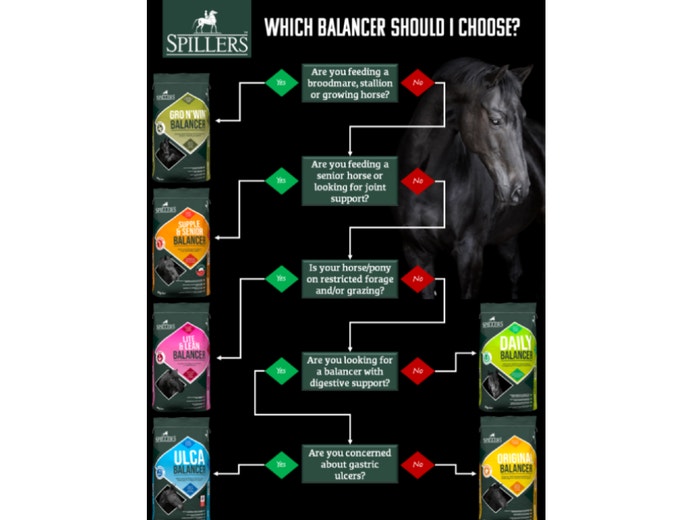
Which balancer does my horse need?
What is a balancer? Balancers are small, nutrient dense feeds (often pellets) designed to provide a concentrated supply of vitamins, minerals and amino acids. Due the low feeding rate - typically 500g per day or a 500kg horse - balancers provide negligible amounts of energy (calories), starch and sugar per daily serving, making them the ideal choice for good doers.
Read now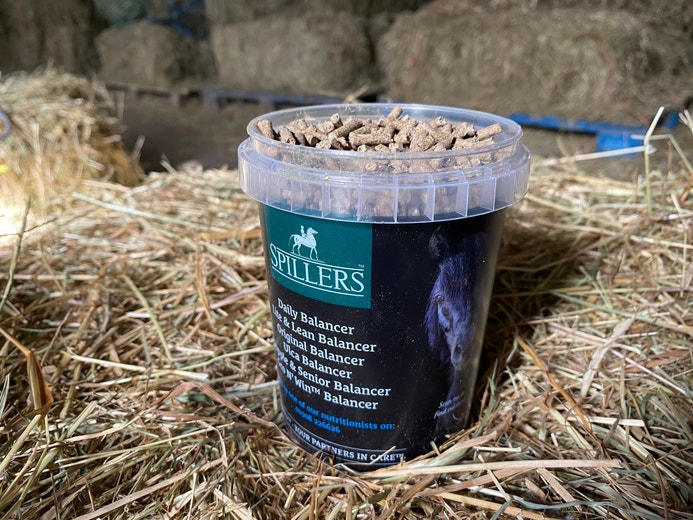
Are balancers expensive?
At first glance balancers may seem like an expensive option, but the low feeding rate makes them a convenient and cost-effective solution for good doers…
Read now
Optimal Health During a Heatwave: How to Adjust Your Horse's Diet | Spillers Feeds
With the UK set to have one of the hottest and driest summers on record, most of us are relishing the opportunity for sunbathing and al-fresco dining. But what does this temporary change in climate mean when it comes to feeding our horses?
Read now