Supporting Seniors – Can they benefit from extra Immune Support?
Caring for our much-loved veteran horses is rewarding. After all the years of pleasure and service they’ve given us, keeping them happy and thriving in their later years is the least we can do. Retirement often brings new challenges and extra considerations in many aspects of their care. A few common changes to look out for and manage carefully may include:
Weight – Has it changed now they’re ridden less, or have completely stopped working? Do they gain weight from a quieter life, or perhaps lose muscle and appear to age more quickly?
Herd dynamics - As they slow down, are they losing their place in the pecking order and getting less food or shelter or asserting themselves more to keep themselves occupied?
Stiffness – Some seniors are noticeably stiffer in the cold weather or if stabled overnight. Is it time to consider warmer rugs, lighter/ different exercise, a joint supplement, putting mats down in gateways during winter so they can avoid deep mud?
Digestion & Dental – Have their droppings become looser or drier? Are they eating less or more slowly? Are they struggling to chew their feed or quidding/ dropping their food? Have they become fussier with what they eat?
Warmth – Are they struggling to stay warm or getting too hot?
Metabolic Issues – Have you noticed any signs of PPID (Pars Pituitary Intermedia Dysfunction: also known as Cushing’s syndrome), EMS or insulin dysregulation?
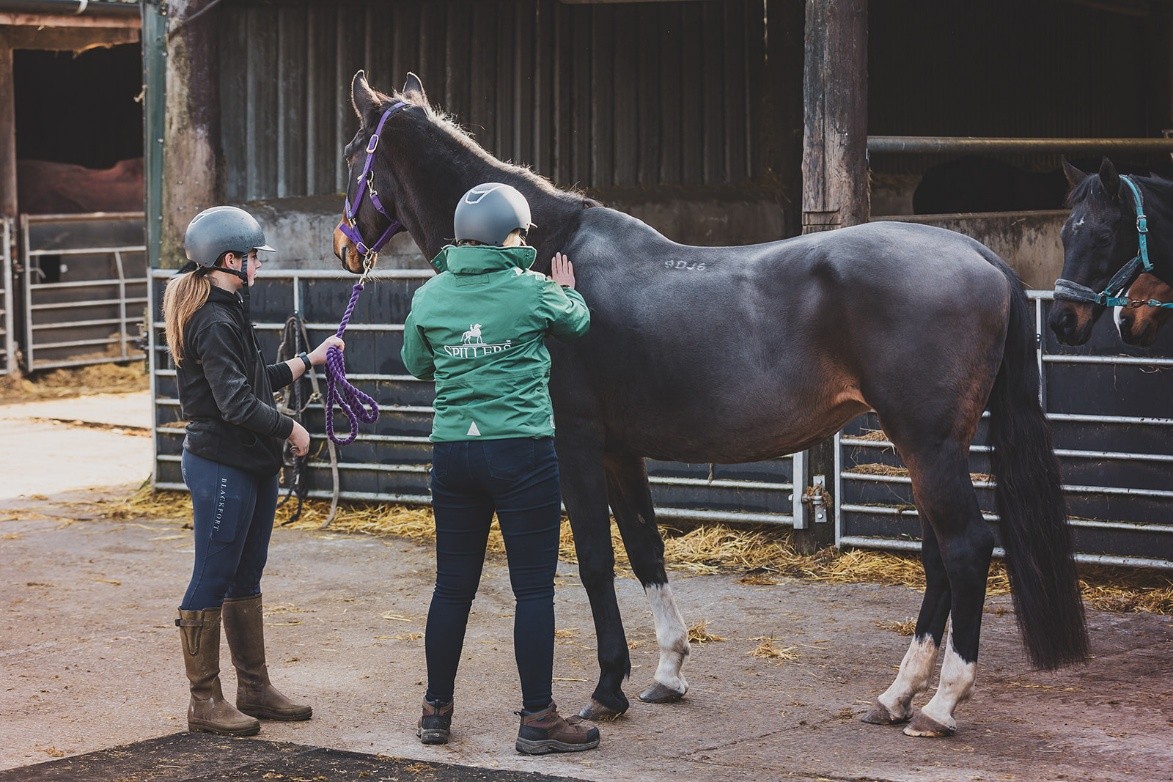
Caring for a senior horse comes with lots of questions — you don’t have to figure it all out alone.
The SPILLERS Super Seniors’ Club is a free community offering practical guidance, expert nutrition advice and shared experiences from owners who truly understand life with an older horse.
These popular topics are well considered by owners, but an area sometimes overlooked is whether diet and management can help support horses immune and respiratory systems.
Are they more prone to a subtle cough or slower to heal from a small graze or cut?
Horses, just like humans, show signs of age-related declines in immune function – known as immunosenescence. This leaves horses and ponies more susceptible to infections, extended healing time and ‘inflamm-aging’ - a term which describes low grade inflammation. This effect may be exacerbated in overweight and obese horses and is another reason to keep them a nice healthy weight! Seniors have been shown to be less responsive to vaccinations so it’s especially important to ensure vaccines are kept up to date, alongside worm egg count and dental checks.
Senior horse management tip
Changes in weight, stiffness or routine are some of the most common concerns we hear from owners in the SPILLERS Super Seniors’ Club, where thousands share real-world solutions and support.
A Balanced Diet for the Immune System:
While forage forms the foundation of a horses diet, ensuring they receive a balanced diet is an essential part of their care. A lack of nutrients can lead to dullness of coat, lack of energy or enthusiasm, weak hooves, lack of muscle tone and function, skin issues and a multitude of other issues including suppressed immune responses.
Essential Minerals: Zinc, Copper, and Selenium
Even with unrestricted grazing, horses may not receive adequate amounts of minerals, especially zinc, copper, and selenium. These minerals play vital roles in various physiological processes, including hoof growth/ health, enzyme function and antioxidant defence.
Vitamin A
Derived from beta-carotene in forage, vitamin A is crucial for maintaining healthy vision, skin, and immune function. However, hay and haylage lose a significant amount during harvest and storage, making it unreliable for meeting vitamin A requirements. Horses with access to grazing are less likely to be deficient, but supplementation through a suitable feed, balancer or vitamin and mineral supplement helps to ensure a balanced diet for those on limited grazing.
Vitamin E
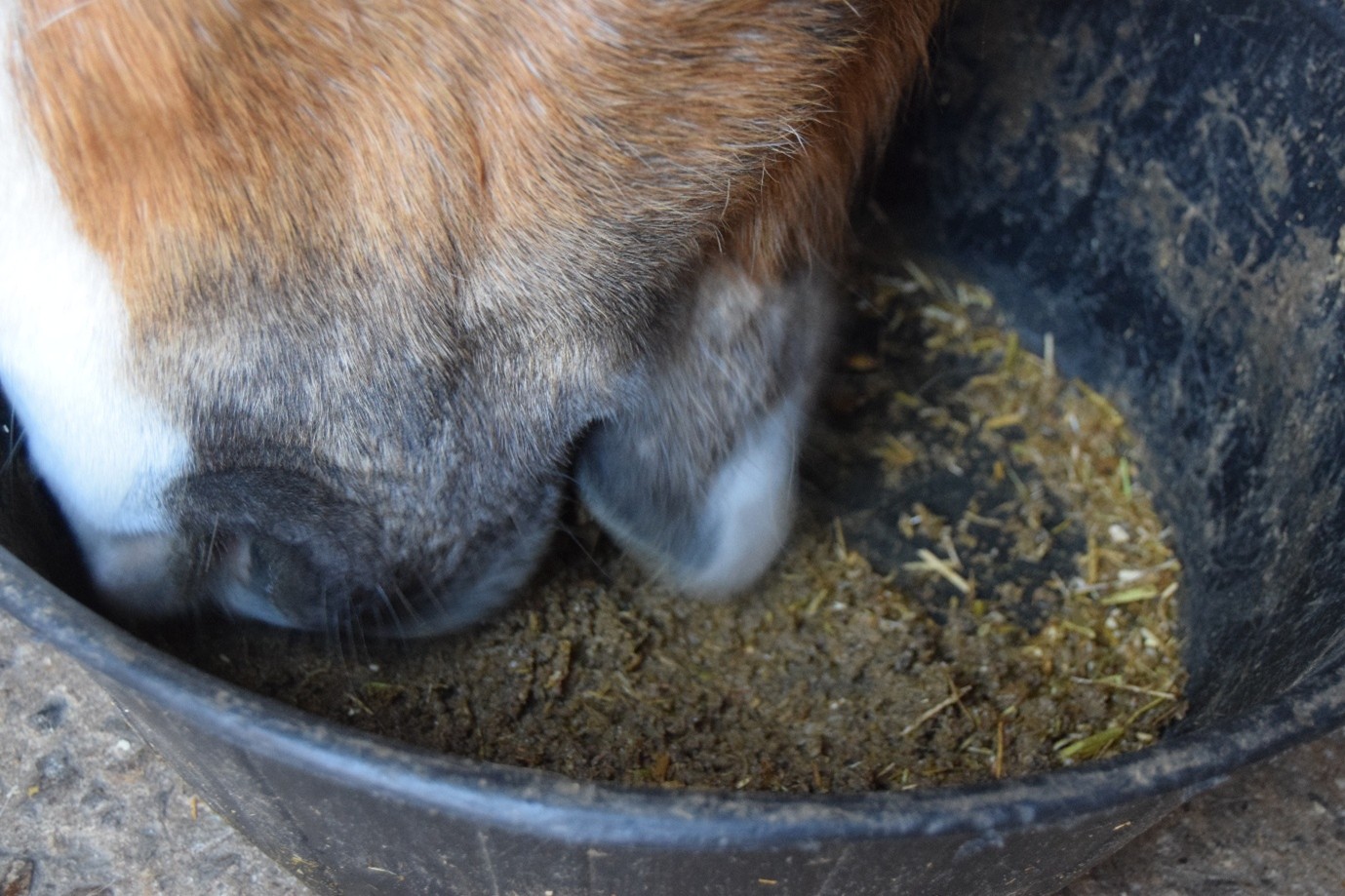
This powerful antioxidant is essential for muscle and immune health. Antioxidants like vitamin E help prevent cell damage caused by free radicals, which are produced during oxygen use in cells. A deficiency in antioxidants may lead to oxidative stress and cell damage, impacting the horse's wellbeing. While green pasture can provide sufficient (but not necessarily optimum) vitamin E for rest or light work, levels in hay and haylage are often very low.
Research has shown supplementary vitamin E to have a positive effect on several components of the immune system although more work is required to further define how it helps and optimum requirements. Quality balancers and senior feeds often provide higher levels to ensure the increased requirements for ageing horses are met.
If you’re unsure whether your senior is getting the right balance, the SPILLERS Super Seniors’ Club gives owners direct access to SPILLERS nutrition specialists for personalised guidance.
Selenium & vitamin E
These two nutrients work together as part of the body’s natural antioxidant defence system. Providing a sufficient, rather than excessive, amount of selenium is important. Prolonged high intake can negatively impact health, and toxic levels are relatively low. It may be worth speaking to a nutrition specialist if you’re considering feeding supplements containing selenium.
Vitamin C & Lung Health
A key antioxidant with an important role in supporting respiratory health.
Although horses produce their own vitamin C, older horses and those in hard work, stabled for long periods or travelling frequently may benefit from additional vitamin C in their diet. Research has shown that supplementing the diet with bioavailable vitamin C can support natural lung defences.
Did you know?
Horses breathe over 70,000 litres of air a day and inhale millions of airborne particles every single day! From dust in forage and bedding to pollen, these tiny particles can have a significant effect on respiratory health. Even the best quality hay and haylage contains microscopic airborne particles small enough for the horse to inhale (respirable particles) including:
🔹 Plant fragments
🔹 Mould spores
🔹 Yeasts
Respiratory health is a hot topic among senior owners.
In the SPILLERS Super Seniors’ Club, members regularly share practical stable and forage management tips that make day-to-day care easier.
Managing your horse’s environment is essential to supporting their respiratory health. Here are a few simple management tips to help support your horse’s respiratory health:
✔ Soak or steam (in a commercial steamer) hay to reduce airborne particles. Steaming kills bacteria and reduces respirable particles while preserving nutrients.
✔ Consider feeding haylage. Reject any haylage with signs of mould or damage.
✔ Ensure stables are well-ventilated and as clean as possible.
✔ Choose low dust bedding.
✔ Groom your horse outside or in well-ventilated areas.
✔ Sweep and muck out when horses are turned out.
✔ Consider a targeted supplement.
Digestive Health
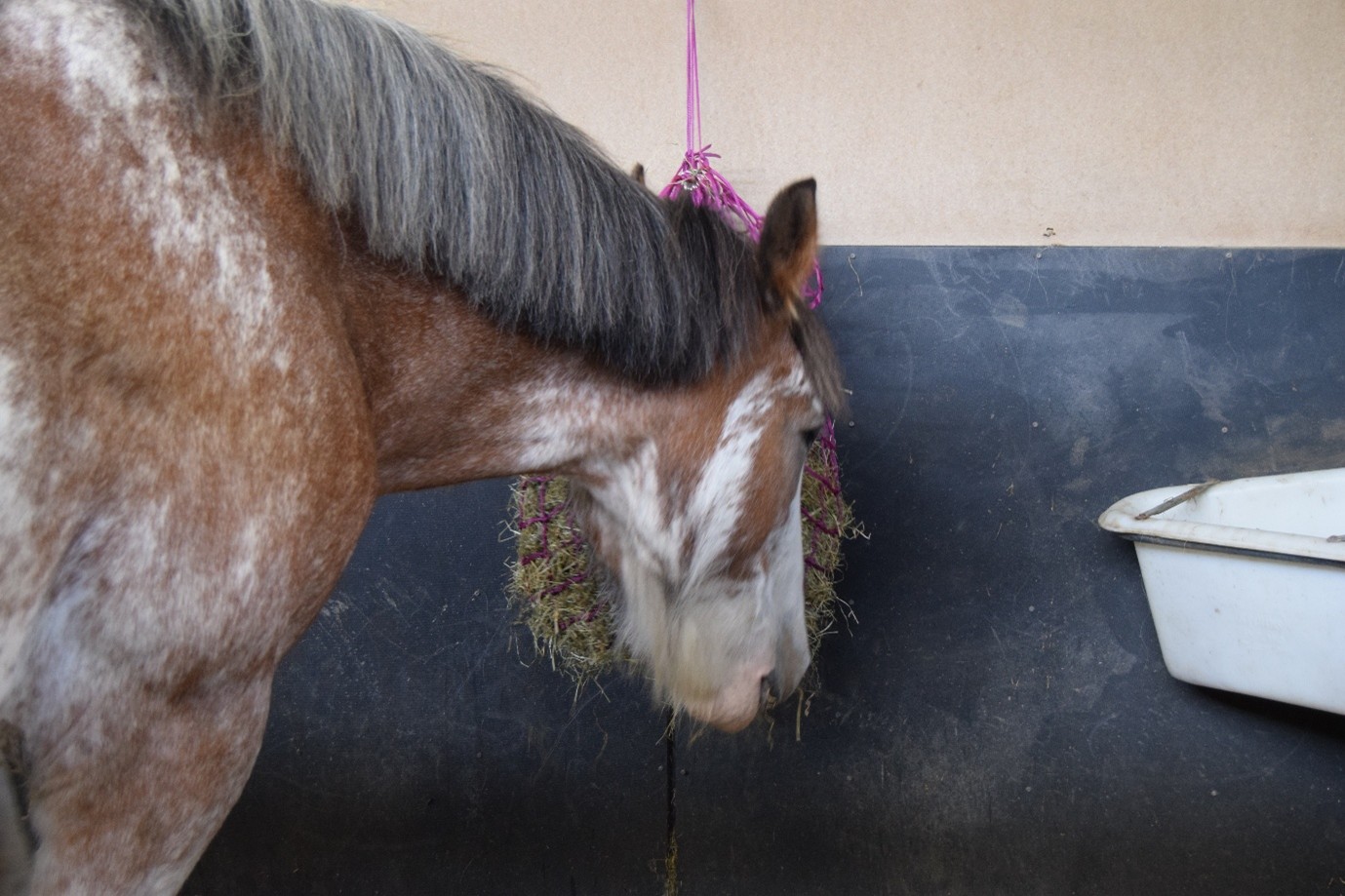
In recent years science has revealed how strongly intertwined the digestive and immune systems are. Horses are renowned for having complex and often sensitive digestive systems. Managing their diet to reduce risk of digestive disturbance inevitably helps support immune health too. Avoiding sudden changes of both bucket feed and forage, as well as changes in paddock/ grazing, helps reduce risk of colic and loose droppings – both of which are warnings of an unhappy gut. Restricting starch levels, feeding plenty of fibre and (particularly with some seniors) ensuring they are eating enough fibre all help keep the digestive tract working happily. Keep a close eye on just how much fibre your senior is actually consuming, not just what you offer them, and monitor droppings for changes to the norm.
Pre and probiotics
Best known for supporting healthy digestive function, these two functional ingredients have gained increasing interest in how they may also support the immune system.
Prebiotic MOS may help gut health and immunity by helping to remove ‘bad bacteria’ from the gut.
Probiotic live yeast may help maintain a more stable pH and support fibre digestion.
Choosing feeds which include these ingredients or supplementing them may be worth considering, especially during times of stress or change.
Here to Help them Thrive!
Well formulated balancers, compound feeds or vitamin & mineral supplements should ensure horses receive the necessary levels - and correct ratio - of nutrients to support optimal health. Some horses may benefit from elevated levels so speaking to a nutrition specialist about your individual horses needs can help you ensure you’ve got their diet just right and enable your super senior to thrive!