
Why Do Good Doers Gain Weight So Fast on Spring Grass?
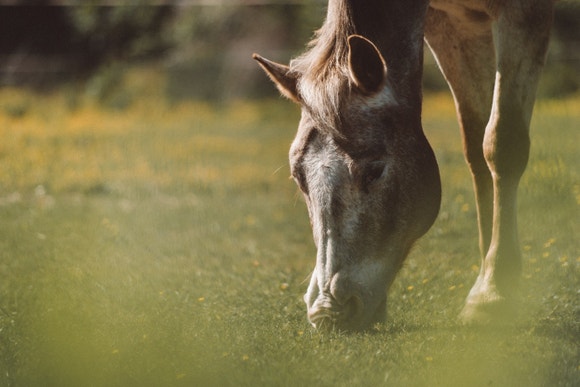
Ponies have a reputation for being grass guzzlers - heads down, munching away, not coming up for air. Some have been seen to consume up to 5% of their bodyweight in grass (dry matter) per day when living out 24/7. This would be a whopping 12.5kg of dry matter for a 250kg pony!
Although this may be lower for horses, some will give ponies a good run for their money. It’s no wonder we watch some of our good doers visibly expand in front of our eyes when spring grass arrives.
Quite simply usually horses and ponies get fat because they take in more calories/energy from their diet than they burn through activities such as exercise, keeping warm and the daily energy required to keep them alive – this is referred to as basal metabolic rate.
Obesity rates could be as high as 70% in some populations of ponies and we know excess weight increases the risk of several health conditions, including laminitis, so it’s crucial we try and keep grass intake under control.
The Hidden Calories and Sugars in Grass
- Spring grass can easily provide 11 MJ DE per kilo (DM), sometimes more, putting it on a par with a competition feeds.
- A 250kg pony could consume enough energy (calories) to fuel a 500kg racehorse – the equivalent to over half a bag of conditioning cubes every day from spring grass alone!
- Grass may contain up 15% simple sugars and 35% WSC (Water Soluble Carbohydrate). This means a 250kg pony living out 24/7 might consume almost 2kg of simple sugars per day from grass alone (and almost 4.5kg of WSC)!
- Ponies with free access to grazing for 6 weeks have been seen to gain 16% of their bodyweight - this is equivalent to an 11st human gaining almost 2st in just 6 weeks!
- Turning out for short periods can lead to binge eating! Ponies have been seen to consume almost 1% of their bodyweight in only 3 hours at grass – which is around two-thirds of their recommended total daily forage allowance for those on a weight loss diet!
- Don’t be fooled into thinking winter grazing is calorie free though. Grass continues to grow for most of the year (when the temperature is above 5°C) and even mature, ‘stemmy’ or brown grass may exceed calorie requirements for good doers if they eat enough of it.
Cut Calories Not Fibre
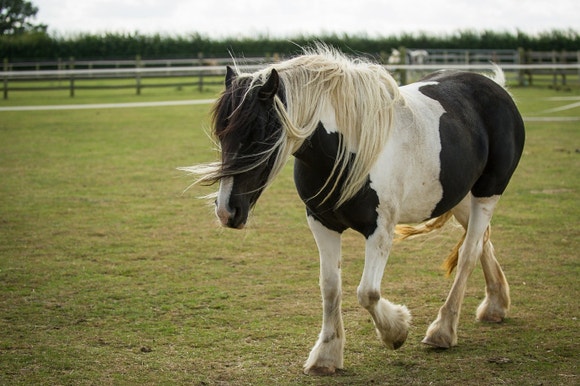
Ideally, we want to keep our horses and ponies eating roughage as much as sensibly possible while reducing their total calorie intake. This involves getting creative with their management, particularly important for those at risk of obesity and related health issues.
10 Practical Ways to Reduce Calorie Intake
Things you can do to reduce calorie intake include:
1. Install a strip grazing system: reducing the grazing area helps to limit grass availability, ideally move the fence daily.
2. Turning out early in the morning ( and bring in by mid-morning at the latest): Water soluble carbohydrate (WSC: simple sugars and fructan) levels typically peak in the early evening, decline overnight (if it’s warm enough) and are lowest early in the morning. Turning out for a few hours very early in the morning, perhaps in a grazing muzzle, may be the most suitable option. Similarly, WSC levels may be lower on cloudy days or shady areas, but turnout on sunny frosty mornings should be avoided.
3. Be cautious of simply restricting turnout time: Ponies, in particular, learn to maximise their time eating and can consume 60% of their daily intake in just 3 hours!
4. Try a grazing muzzle: A grazing muzzle can reduce grass intake by up to 80%! Make sure it fits comfortably, that you let the horse or pony get used to it before leaving it on unsupervised and don’t leave them on 24 hours a day.
5. Set up a track system: Although not an option for all yards, creative track systems are an increasingly popular way of increasing movement and enrichment while restricting calorie intake, potentially increasing turnout time too.
6. Soak hay: Soaking hay reduces the sugars and in turn calories from the forage – although results will vary. For horses and ponies at high risk of metabolic issues consider removing them from pasture altogether and feeding soaked hay little and often.
7. Consider feeding straw: Lower in calories but higher in fibre, straw could be a great option to replace up to 50% of their forage. Introduce it gradually to help extend eating time while reducing calorie intake. It should be avoided for those with dental concerns or a history of colic.
8. Choose an alternative safe source of forage: For horses and ponies at very high risk of laminitis consider feeding them a suitable forage/ short chopped fibre with guaranteed super low starch and sugar levels. Both SPILLERS™ HAPPY HOOF™ and SPILLERS™ HAPPY HOOF™ Molasses-Free are suitable options.
9. Increase exercise: Regular exercise will help keep a horse’s waistline in check and support a healthy metabolism.
10. Rug appropriately: Fewer rugs or no rugs at all will encourage a horse to burn off a few extra pounds keeping warm! Few native ponies, or those with extra fat to insulate their warmth, need rugging once weather warms up in spring.

For more information on all the topics head over the newly updated SPILLERS Slimmers’ hub. With in depth advice to help you help your horse or pony maintain a healthier body condition!
Personalised Support When You Need It
Our nutrition specialists are available to offer tailored advice, ensuring you get the most from your horse’s diet.

Call us
01908 226626

Fill in our online
consultation form here(open in new tab).

Popular Blogs
Which balancer does my horse need?
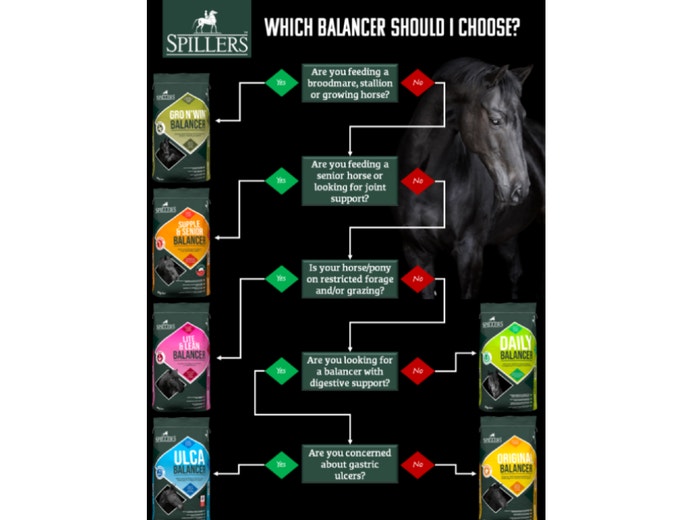
What is a balancer? Balancers are small, nutrient dense feeds (often pellets) designed to provide a concentrated supply of vitamins, minerals and amino acids. Due the low feeding rate - typically 500g per day or a 500kg horse - balancers provide negligible amounts of energy (calories), starch and sugar per daily serving, making them the ideal choice for good doers.
Read now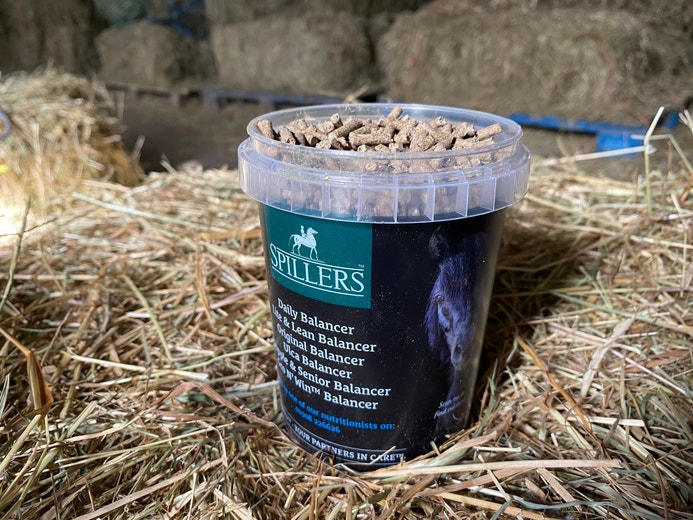
Are balancers expensive?
At first glance balancers may seem like an expensive option, but the low feeding rate makes them a convenient and cost-effective solution for good doers…
Read now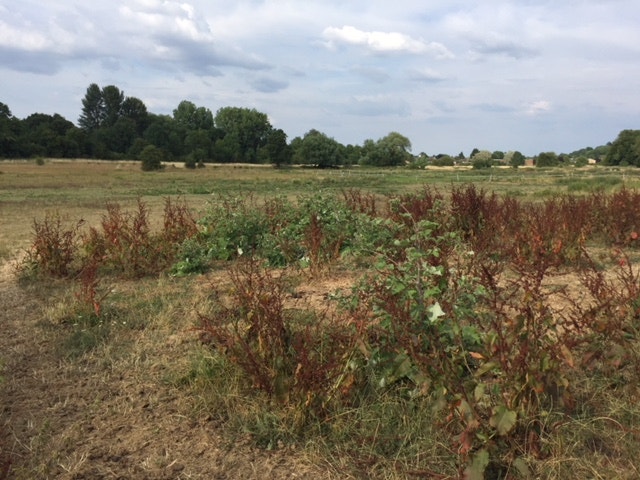
Optimal Health During a Heatwave: How to Adjust Your Horse's Diet | Spillers Feeds
With the UK set to have one of the hottest and driest summers on record, most of us are relishing the opportunity for sunbathing and al-fresco dining. But what does this temporary change in climate mean when it comes to feeding our horses?
Read now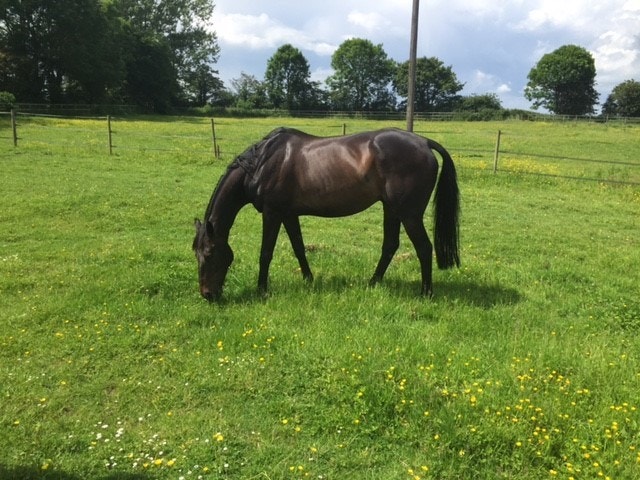
9 Spring grass facts every horse owner should know
Spring has finally sprung! While many have sworn by the benefits of ‘Dr Green’ for generations, it’s not without its pitfalls. Knowing the facts can help you decide on the most suitable management for your horse this spring.
Read now