

Module 3: Nutrients
By the end of this module, you will have covered:
- The different nutrients and the role they play in the diet.
Nutrients
Nutrients in the diet can broadly be divided into the following categories:
- Carbohydrates (includes fibre, starch & sugar)
- Fats/ oil
- Proteins
- Vitamins
- Minerals
Did you know?
Carbohydrates
Carbohydrates are used by the body for energy. They can broadly be divided into 2 types:
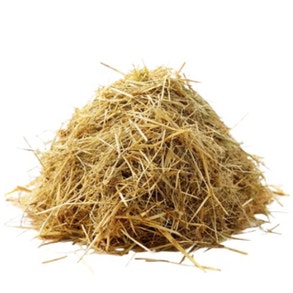
Structural
carbohydrates (fibre)
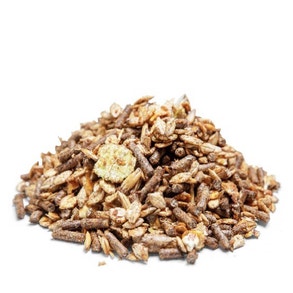
Non-structural
carbohydrates (starch and sugar)
Fibres
The term fibre describes a group of nutrients called structural carbohydrates.
- The fermentation of fibre in the large intestine or ‘hindgut’ produces volatile fatty acids which are absorbed into the bloodstream and utilised as a source of energy or ‘calories’.
- Highly digestible or ‘rapidly fermentable’ fibres yield the greatest amount of energy, while slowly fermentable fibres yield the least.
- A high fibre diet is key to maintaining digestive health and a healthy digestive system is the foundation of a healthy horse!
- A high fibre diet is essential for maintaining hindgut health and ultimately, a healthy digestive system is the foundation of a healthy horse. Low fibre and/or high starch diets may lead to or contribute to weight loss, loose droppings and several clinical conditions including colic and tying up.
- Forage and short chopped fibre increases chewing and in turn salvia production – saliva provides a natural buffer to stomach acid but unlike people, horses only produce saliva when they chew.
- High forage/ fibre diets also help to maintain hydration, with some fibre sources having a higher water holding capacity than others.
Feed ingredients can be a controversial topic with some tending to be in the spotlight more than others. However, the key is to provide a balance of fibre sources most appropriate for the individual horse or pony. For example, feeds based on sources of slowly fermentable fibre such as wheatfeed, oatfeed and straw, are often ideal for good doers because they are low in energy (calories). On the other hand, feeds or ingredients high in rapidly fermentable fibre such as soya hulls and sugar beet are significantly more digestible and may be better suited to poor doers or horses in hard work, especially if fed in larger amounts.
Sugar
- Sugar is a form of carbohydrate and used by the body as a source of energy or ‘calories’.
- Sugars can be grouped according to the number of molecules or ‘units’ they contain.
- Sugars made up of just one or two ‘units’ are often described as ‘simple sugars’
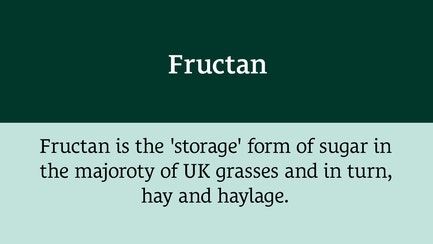
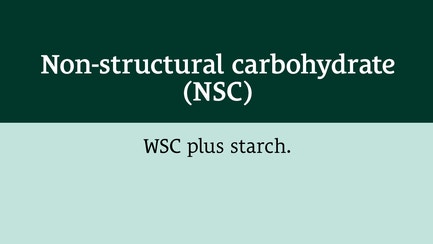
The different terms used to describe sugar (and starch) often cause confusion so here’s a quick guide to busting some of the jargon…

Sources of sugar
Forage is the largest source of sugar in a horse’s diet. Grass may contain up to 15% sugar and up to 35% WSC!
Did you know? A 250kg pony living out at grass 24/7 may consume almost 2kg of simple sugars and 4.5kg of WSC every day from grass alone! In comparison, the recommended amount of a balancer (for the same sized pony) containing 5% sugar provides just 12.5g of sugar.
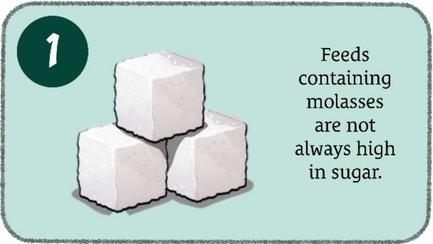
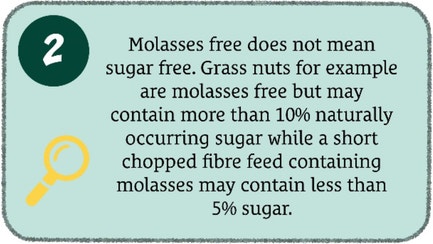
It’s near impossible to find a sugar free feed as most of the ingredients used will contain naturally occurring sugar. However, due to their relatively low feeding rate vs forage, compound feeds, balancers, mashes and short chopped fibres account for only a small proportion of the sugar in the total diet, even if they contain molasses.
How much sugar is in?…
| Sugar** | |
| 1 SPILLERS treat | 1g |
| 1 carrot (100g) | 7.5g |
| 1 apple (150g) | 17g |
| 100g of a supplement (containing 15% sugar) | 15g |
| 500g* of SPILLERS Daily Balancer | 25g |
| 3kg* of SPILLERS Digest+ Conditioning Cubes (molasses free) | 90g |
| 3kg* of SPILLERS Shine+ Conditioning Mix (contains molasses) | 165g |
| 24 hours spring grazing for a 250kg pony | Up to 1.9kg |
| Meadow hay fed at 1.5% bodyweight (dry matter) per day for 500kg horse | Up to 1kg |
| Meadow hay fed at 2% bodyweight (dry matter) per day for 500kg horse | Up to 1.5kg |
*Typical recommended amount for a 500kg horse in light work.
**simple sugars only.
Sugar myth buster…
Sugar is not all bad…
With so much emphasis on the potential dangers of sugar, it’s easy to forget that sugar, just like every other nutrient, has a role to play the horse/ pony’s diet. Glucose is the main source of energy utilised by the brain which means all horses need some sugar simply to stay alive – this also means it’s physiologically impossible for horses to be allergic to sugar. If the diet were to fall short of sugar, the body would convert other nutrients to glucose to meet demand.
The potential dangers of sugar
There are undoubtedly some horses and ponies that need a low sugar diet, especially those prone to laminitis as well as some other clinical conditions such as PSSM1. However, if a horse/ pony needs a low sugar diet, chances are they need a low starch diet too. Those prone to gastric ulcers, colic and most forms of tying up should be managed on a diet containing low or restricted amounts of starch and sugar.
It’s also sensible to restrict sugar and starch intake for good doers, even if they’ve not previously suffered from laminitis. Diets high in starch and/ or sugar increase the risk of insulin dysregulation and laminitis.
Starch
- Starch is a soluble carbohydrate made up of long chains of glucose (sugar) molecules. When consumed by humans and animals, the body starch down into glucose molecules to use as energy.
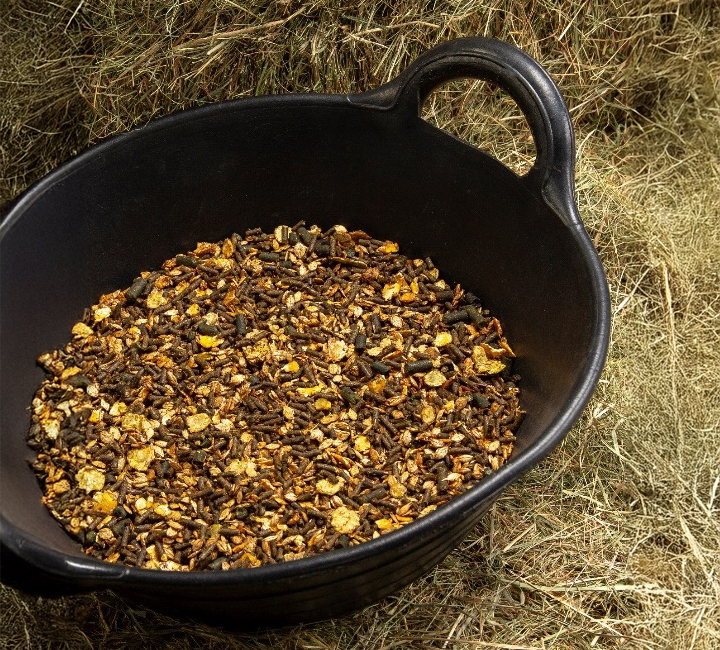
- Whole cereal grains are the largest source of starch in the horse’s diet – even a low-calorie mix may contain 5% sugar but close to 30% starch!
- Did you know? Cereal starch is the most common cause of feed related excitability.
- Tip: if they are concerned about excitability, advise customers to look for fibre-based feeds that are low in starch. Feeds high in oil are ideal for poor doers.
Fat/Oil
- Oil provides a valuable source of energy, especially for horses that need a high energy (calorie), low starch diet.
- Gram for gram, oil provides approximately 2.5 times more energy (calories) compared to cereal grains but is starch free.
- Oil is a source of essential fatty acids which help to support skin and coat health too.
Oil from a feed vs oil from a bottle
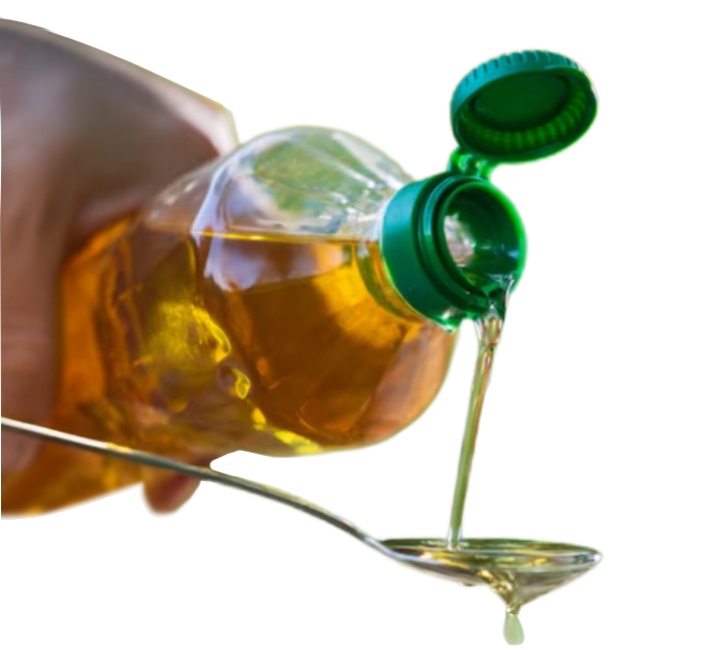
Adding oil on top of the horse’s current feed can be an easy and cost-effective solution, particularly if feeding small amounts. In larger quantities, oil from a bottle can be a useful way of providing additional calories without increasing meal size. On the flip side, a high oil feed may be more palatable option as well as a more convenient way of convenient way of providing a balanced diet. The difference in cost may also be negligible.
Did you know? High oil diets should be balanced with additional vitamin E.
Protein
The body contains thousands of different proteins; although most are found in muscle, protein is key component of all body cells including skin and blood, as well as enzymes and hormones.
Protein is needed to support muscle building and repair, as well as for growth and milk production.
Myth busters:
- Protein is not a primary source of energy for horses.
- High protein diets do not cause excitability or increase the risk of laminitis, tying-up or developmental orthopaedic disease (DOD) in foals and growing horses.
Proteins & amino acids
Quality vs quantity
The term ‘crude protein’ is used as an indicator of the amount of protein in the diet, but protein quality is determined by the profile of amino acids relative to the horse’s requirements.
Amino acids
Proteins are made up of building blocks called amino acids. There are 21 amino acids in total, 9 of which are called ‘essential’ because they can’t be produced by body and must be consumed via the diet. Examples of essential amino acids include lysine, methionine and threonine.
Protein consumed from feed and forage is broken down into amino acids and rebuilt (protein synthesis) to form proteins that are needed by the body, including those to needed to build and maintain muscle.
For protein synthesis to occur, amino acids need to be present at a specific ratio. If one amino acid is deficient, protein synthesis is limited, even if all other amino acids are over-supplied. Think of it a little like the English language, thousands of different words are formed from an alphabet of only 26 letters but in a game of Scrabble, you can’t make the word ‘horse’ if you haven’t got the letter ‘e’ available, regardless of how many other letters you have
Lysine
Lysine is considered the most important essential amino acid and is also the one most likely to be deficient in the diet.
If protein and amino acids requirements are not met, the body will start to break down muscle to meet requirements.
Vitamins and minerals
Although required in very small amounts, vitamins and minerals are essential for maintaining health and supporting performance. While many leisure horses/ ponies maintain weight easily on forage, forage only diets are unlikely to provide a balanced diet.
Remember: Feeds containing added vitamins and minerals are unlikely to provide a balanced diet unless fed at the recommended amount.

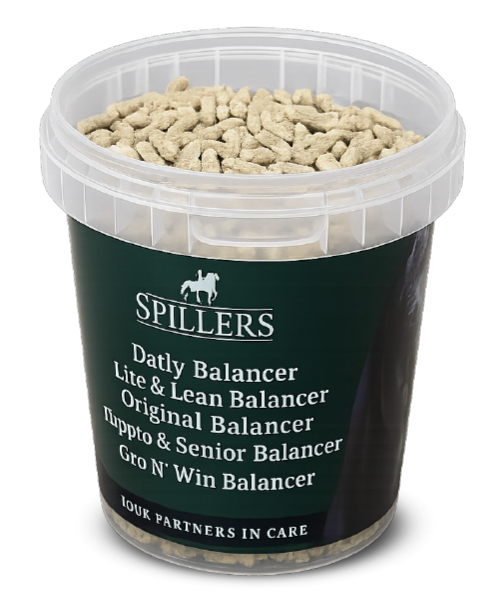
Due to the low feeding rate and concentrated supply of vitamins, minerals and amino acids (quality protein), balancers are ideal for those that maintain weight easily on forage alone. You can learn more about this in our ‘balancers’ module.
Vitamins are needed for many critical roles in the body including energy metabolism, blood clotting and for respiratory, muscle, bone and immune health.
Vitamins are needed for many critical roles in the body including:

Energy Metabolism

Blood Clotting
Respiratory Health

Muscle Health

Bone Health

Immune Health
Did you know?
- Some vitamins must be consumed via the diet while others produced by the body.
- Vitamin C is produced from glucose in the liver.
- B-vitamins and vitamin K are produced as a by-product of fibre fermentation in the large intestine.
- More does not always equal better!
- Some vitamins can be harmful or even toxic if over-supplied including iron, iodine, selenium, copper, zinc and vitamin A.
Tips for customers
- Contact a nutrition advisor before recommending a supplement containing vitamins and minerals (unless it’s a broad-spectrum vitamin and mineral supplement fed alongside a forage only diet).
- Avoid supplements containing iodine (including seaweed).
- Avoid feeds and supplements containing added iron.
- Be extra cautious about selenium – the total diet should provide no more than 1mg per 100kg of bodyweight per day (500mg per day for 500kg horse).
Vitamins… Did you know?

Vitamin E
A powerful antioxidant, essential, for supporting muscle and immune health. Free access to green pasture may provide sufficient, although not necessarily optimum amounts of, vitamin E to meet maintenance requirements and in some cases, work too but levels in hay and haylage may be negligible.

Vitamin C
An antioxidant vitamin key to supporting immune and respiratory health. While there is no published requirements in horses, supplementing the diet with additional vitamin C may be beneficial for senior horses, breeding stock, and during times of stress, intense exercise and prolonged stabling/travelling.

Biotin
While there is no published requirement in horses, research has shown that supplementing the diet with high levels of biotin can help to support hoof health.
Minerals
Minerals are required for many critical roles in the body including the development of bone and cartilage (and maintaining bone health), muscle contractions, nerve function, immunity, hormone production, oxygen transport, hoof growth and health, energy metabolism and controlling the movement of water around the body.
Macro minerals are needed in larger amounts (typically grams per day) and include calcium, phosphorus, sodium and magnesium.
Micro minerals or ‘trace elements’ are needed in smaller amounts (typically milligrams per day) and include copper, zinc, selenium and iron.
Iron
Iron deficiency in horses is extremely rare and forage typically exceeds requirements, even in horses fed restricted rations. Many of the ingredients used in feeds contain naturally occurring iron. As Iron is also one of the few minerals that can be harmful at relatively low levels, it’s sensible to avoid any unnecessary excess intake.
Iron supplements are the biggest risk for toxicity in horses on tap water (as opposed to bore hole water). Foals are at particularly high risk.
Per kilo or % vs per serving
When evaluating the nutrient content of any feed or comparing one feed against another, it’s essential to consider the feeding rate and not just the percentages or ‘per kilo’ nutrient values. Ultimately, the amount of nutrients (or calories) consumed from any feed or supplement will depend on how much of it is eaten. For example:
- 4kg of feed containing 250iu/ vitamin E per kilo provides 1000iu vitamin E.
- 500g of feed containing 2000iu/ vitamin E per kilo also provides 1000iu vitamin E.
Tip: to convert a percentage to grams per kilo simply multiply by 10!
- 5% = 50g per kilo
Congratulations
You have now completed Module 3 and should have a basic understanding of the key roles different nutrients play in the diet.
You can now move on to Module 4 - Clinical Conditions.