
Module 4: Pituitary Pars Intermedia Dysfunction (PPID)
Pituitary Pars Intermedia Dysfunction (PPID), sometimes referred to as ‘Cushing’s syndrome’ or ‘Cushing’s disease’, is a common endocrine (hormone) condition involving the pituitary gland. In affected horses and ponies, the pars intermedia or ‘middle lobe’ of the pituitary gland becomes enlarged and produces large amounts of several hormones including adrenocorticotropic hormone or ‘ACTH’. For specific advice on feeding horses and ponies with PPID contact the Care-Line
Which horses and ponies are at risk?
PPID is most commonly seen in senior horses and ponies, but younger equines can be affected too (although it is rare in those under 10 years of age). It has been reported that more than 20% of horses over the age of 15 and more than 25% of horses over the age of 20 have the condition. There does not seem to be a breed or sex bias and in fact, it has been suggested that ponies may be more commonly affected simply because they tend to live longer.
Clinical Signs
Clinical signs are varied and include:
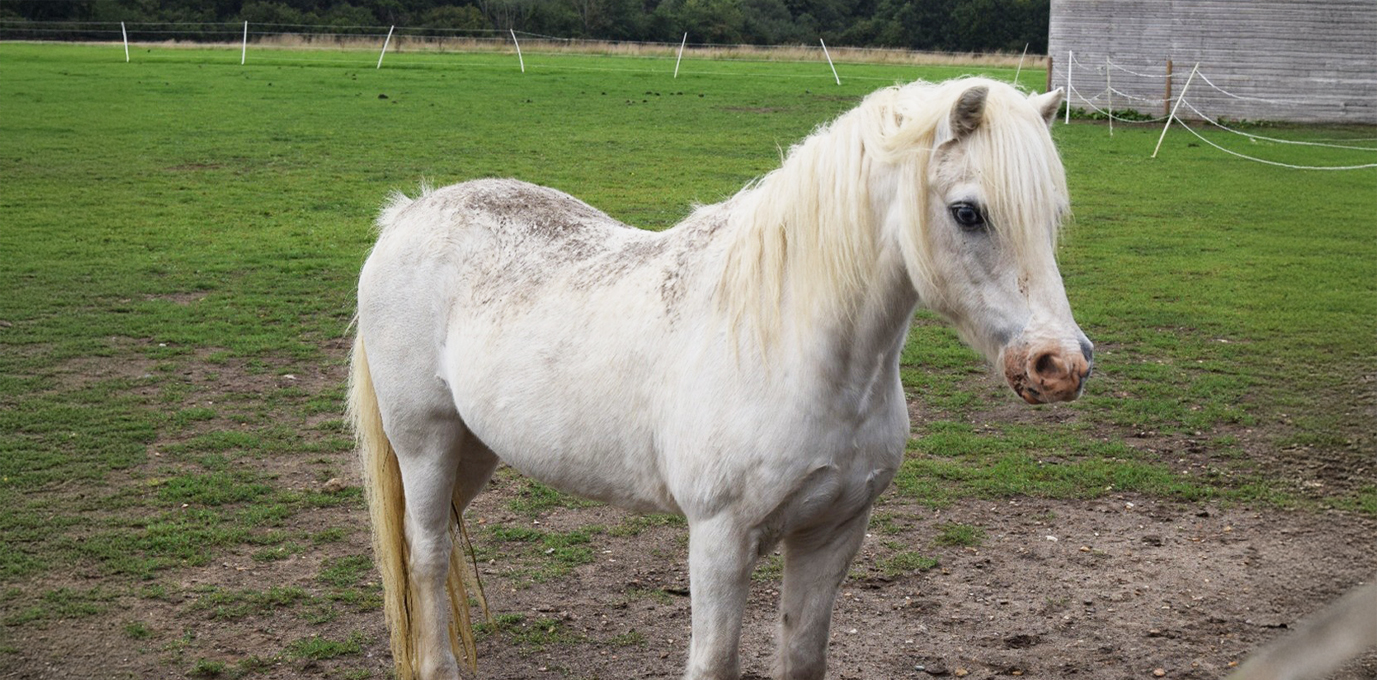
Excessive coat growth (hypertrichosis) that may become long, matted and curly, especially around the legs.
Failure or later shedding of the winter coat.
Excessive sweating.
Increased drinking and urination.
Lethargy and poor performance.
Depression.
A pot-bellied appearance.
Weight loss.
Muscle wastage (atrophy).
Abnormal fat distribution including above the eyes, around the tail head and a cresty neck.
Delayed wound healing, increase in infections of the skin and susceptibility to internal parasites.
Every horse is an individual!
All horses and ponies are individuals, including those with PPID, which means there is no one size fits all approach when it comes to deciding on the most suitable feed and management practices. While some horses and ponies with PPID may be retired, underweight and show multiple signs of aging, others may be middle-aged, overweight and/or in active work. Regular monitoring is key as feed and management requirements may change to over time.
Tips for monitoring weight & body condition

Encourage owners to weigh tape horses weekly and body condition score (BCS) fortnightly.
A BCS of 5 out of 9 is generally considered ideal although allowing good doers to enter the spring at a leaner score of 4.5 may help to prevent excess weight gain.
Remember body condition scoring is an assessment of fat, not muscle. In general muscle feels firm while fat feels soft but a loss of muscle tone or ‘soft’ muscle in senior and/ or unexercised horses can sometimes be mistaken for fat. Equally, a loss of muscle mass or ‘muscle wastage’ can sometimes be mistaken for a lack of fat covering.
Some horses and ponies with PPID have large regional fat deposits such as a cresty neck or fat around the loins/ tailhead despite being thin over-all. In these situations, body condition scoring systems should be used with care – speak to a nutrition specialist for more advice.
Remember a long/ thick coat can hide a multitude of sins!
PPID & laminitis
Horses and ponies with PPID may be at increased risk of laminitis, especially if they are insulin dysregulated. The level of laminitis risk may vary considerably between individuals and is likely to depend on many factors including genetics, prior history of laminitis, body condition, management and the severity of insulin dysregulation (if present). Ideally ACTH and insulin status should be monitored regularly – advise your customer to speak to their vet for more advice.
In general, we recommend managing all horses and ponies with PPID as if they are at an increased risk of laminitis, although the most appropriate diet will vary between individuals. Maintaining a healthy body condition and providing a diet low in non-structural carbohydrate (NSC) or ‘starch and sugar’ are top priorities for managing those at risk of laminitis.
See Laminitis training for more information.
Providing a balanced diet
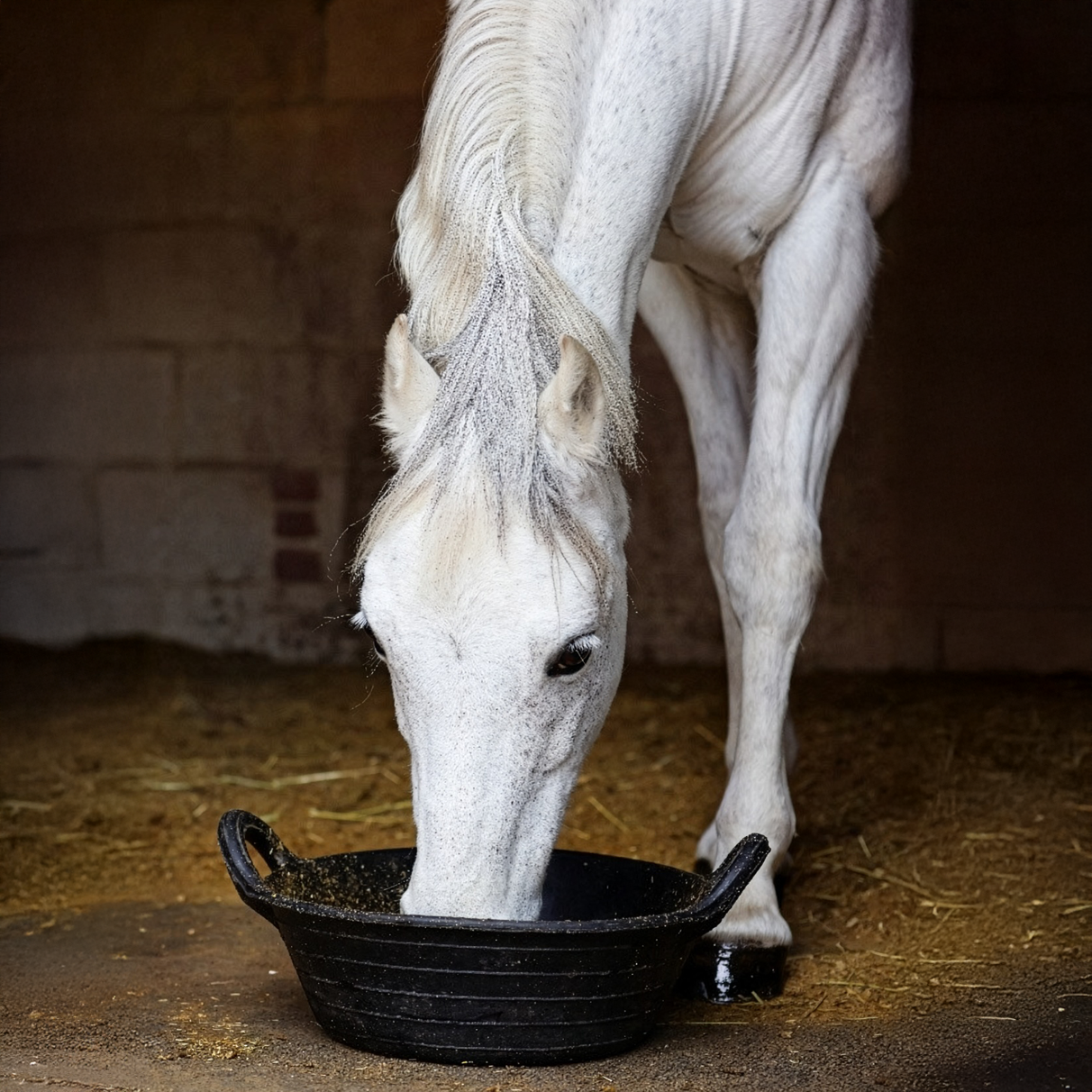
A balanced diet is important for all horses and ponies. However, those with PPID may benefit from a diet that meets the vitamin, mineral and protein requirements for working horses, even if they are retired.
Horses and ponies with PPID may be at higher risk of respiratory infections. Although specific benefits relating to PPID have not been proven, supplementing the diet with vitamin C may be helpful given that vitamin C has been shown to support lung health. Vitamin C supplements should be introduced and removed from the diet gradually.
Forage
Ideally all horses should be provided with as much suitable forage as they will eat, while being mindful of excess wastage. However:
Horses and ponies with dental issues may need a full or partial forage replacer.
For most overweight horses and ponies/ good doers, total forage intake should not be restricted to less than 1.5% of current bodyweight on a dry matter basis. For a 500kg horse without grazing, this is equivalent to approximately 9kg of hay if it is to be fed dry or 11kg if your customer intends to soak it before feeding on an ‘as fed’ basis (the amount of hay that needs to be weighed out). Contact the Care-Line for more advice.
Restrict or remove grazing, especially during high-risk periods such as spring and autumn.
Soaking hay helps to reduce the water soluble carbohydrate or ‘sugar’ content, but results are highly variable which means there is no guarantee that soaking will ensure suitability for laminitics. Ideally have forage analysed (by the wet chemistry method) and soak hay as a back-up.
‘Bucket feed’
Medication to manage PPID may affect appetite – if this occurs contact a vet and a nutrition specialist.
Restricting NSC intake from ‘bucket feed’ (as opposed to forage) to less than 0.5g per kilogram bodyweight per meal (<250g per meal for a 500kg horse) should be a suitable guide for most horses and ponies provided they are not severely insulin dysregulated.
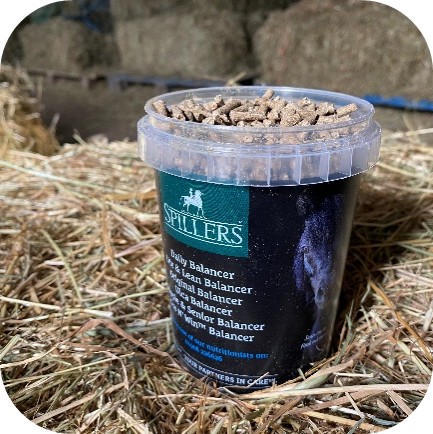
Balancers are ideal for those able to maintain weight easily on forage alone as they provide a concentrated supply of vitamins, minerals and amino acids (quality protein), while adding minimal calories, starch and sugar to the total diet.
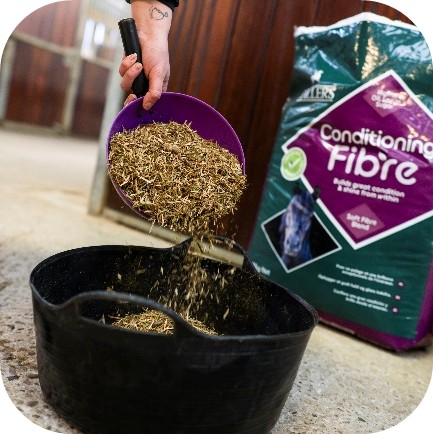
If additional calories are required, look for fibre-based feeds that are low in starch and sugar – high oil options are ideal for poor doers.
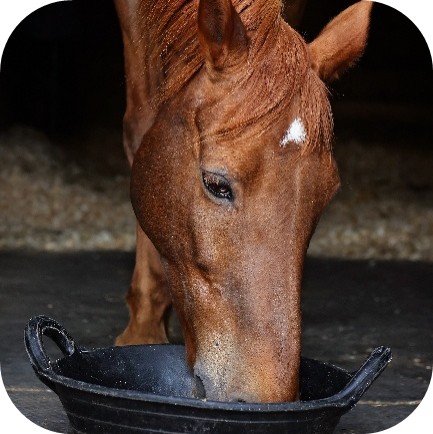
Divide feeds into multiple small meals. This helps to reduce the amount of starch and sugar consumed in each meal and may be of increased importance for severely insulin dysregulated horses and ponies.
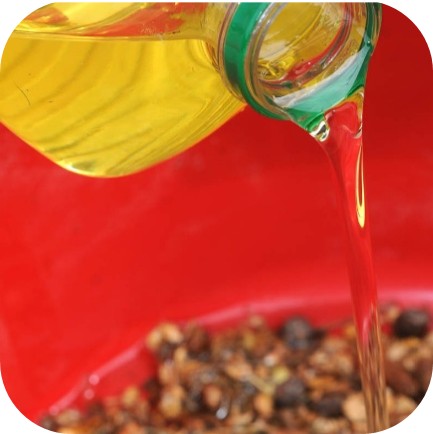
If weight gain is required, oil can generally be added on top of the horse’s current feed at a rate of up to 100mls per 100kg bodyweight per day i.e., 500mls per day for a 500kg horse (divided across several meals). However, high oil diets should be balanced with additional vitamin E so it’s wise to contact a nutrition specialist before adding oil to a horse’s feed. Any oil fed should be fresh and introduced gradually.
Other feed & management tips
Where possible, regular exercise may help to improve insulin sensitivity (reduced insulin sensitivity is a risk factor for laminitis) and maintain muscle tone/ topline.
Consider clipping horses and ponies with excessive hair growth.
A heavy worm burden can lead to weight loss in horses of all ages but seniors with PPID may have increased faecal egg counts and require more frequent monitoring and/ or treatment.
We generally recommend access to an equine salt lick for all horses and ponies. Those sweating regularly may need some form of additional electrolytes e.g., table salt.
Congratulations
You have now completed Module 4: PPID and should have a basic understanding of the condition, the nutritional challenges it presents, and how to guide customers towards suitable feeds and feeding practices for horses and ponies living with PPID.
To secure your AMTRA points, don’t forget to take the short quiz now. This will test your knowledge, reinforce your learning, and ensure your completion is officially recorded.
You can now move on to the next topic in Module 4: Seniors