
Module 5: Low Energy Feeds Training
What is a low energy feed?
Although we talk about calories and energy differently, they are in fact exactly the same thing. A calorie (or joule) is the unit used to measure energy. Lower energy feeds generally provide less calories than competition, stud and conditioning feeds but considerably more than balancers. They are the middle ground.
Low energy feeds are best suited to horses or ponies with low to medium energy requirements. Those who need more than a balancer to maintain a healthy weight but don’t need the higher level supplied by conditioning feeds.
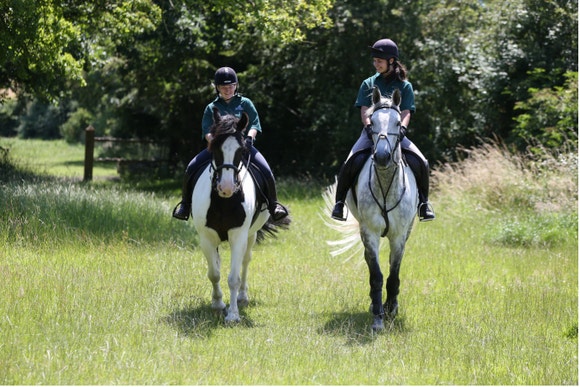
What types of horse would need a low energy feed?
They are commonly recommended to:
- poorer doers at rest
- a Thoroughbred in summer months
- natives who need to gain weight
- good doers in medium to hard work (think Connemara out hunting)

Calorie caution
- Energy or ‘calorie’ requirements may vary considerably between individuals.
- These low energy feeds are formulated to be fed at the same feeding rates as other compounds to supply a balanced diet. E.g. 3kgs a day for a 500kg horse.
- Should a horse or pony not require the full recommended amount, the shortfall of vitamins and minerals should be supplied by a balancer or multivitamin to ensure the diet is still balanced.
Our Range
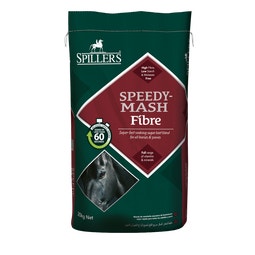
SPEEDY-MASH Fibre
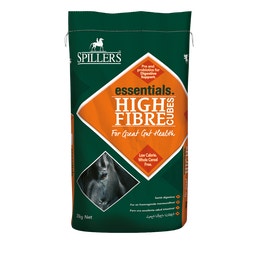
High Fibre Cubes
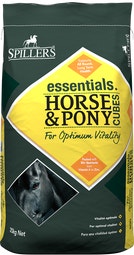
Horse & Pony Cubes
Remember
All changes in diet should be made gradually.
The recommended amount of feed should be divided into meals of no more than 2kg for horses, less for ponies and foals.
- Advise customers to contact our friendly nutrition team for specific advice, especially for those prone to or suffering from nutrition related clinical conditions such as laminitis, PPID (Cushing’s syndrome) tying up, colic and gastric ulcers.
Congratulations
You have now completed Module 5: Low Energy Feeds and should have a basic understanding of when a low energy feed should be fed.
You can now move onto Module 5: Performance Feeds