Enrichment

The Three Fs: Food, Friends and Freedom are three pillars of horse wellbeing which should be front of mind for any horse owner. When we consider our horses wellbeing, we need to include their mental happiness and contentment, not just their physical health for them to truly thrive, behave and perform at their best. Caring for sick, injured or dieting horses can make implementing these three pillars more of a challenge but that doesn’t mean they aren't important or achievable.
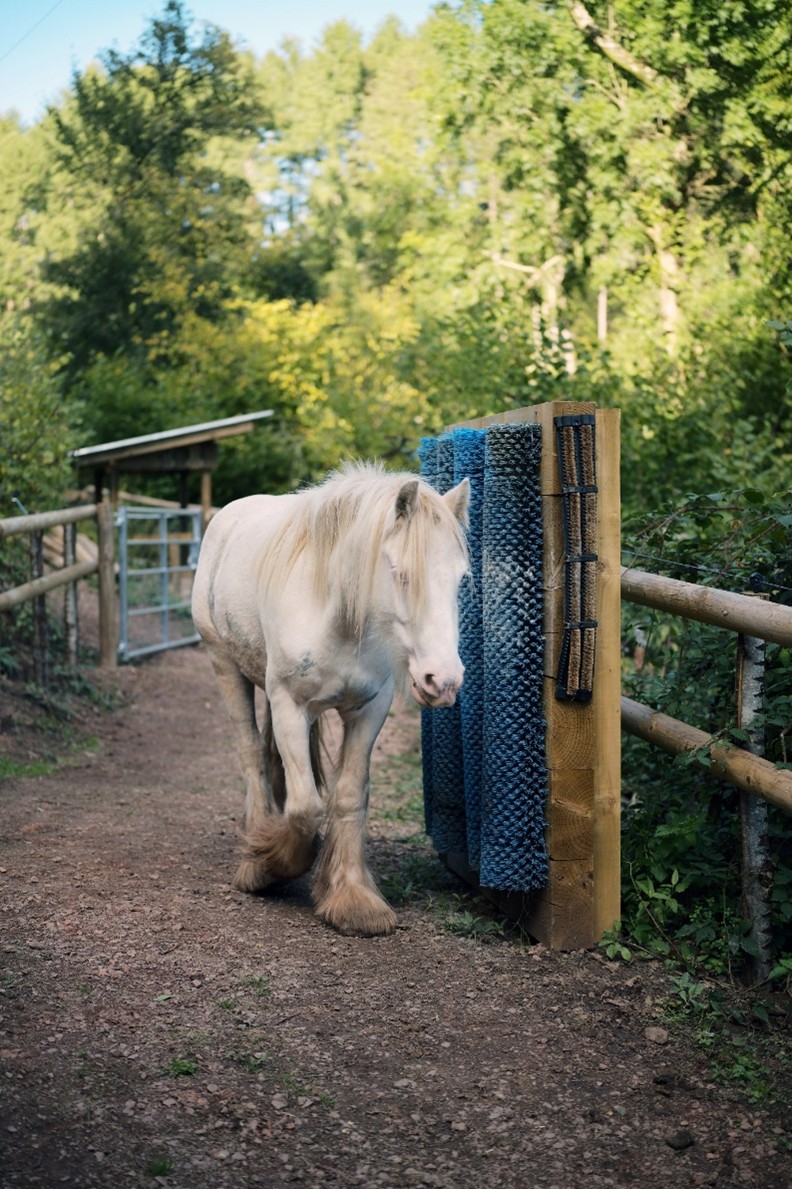
By their very nature, horses are browsers, hardwired to spend up to 18 hours a day with their herd in search of grazing and other vegetation. The lives of many domestic horses and ponies bear little resemblance to the lifestyle of the wild ponies on the moors or hills. The adaptability our horses show to domestication highlights just what amazing animals we have the privilege to care for. Outwardly horses seem to cope remarkably well with long periods stabled, separated from a herd and long gaps between meals as is common in many yard practices. Ideally, we want to replicate nature as closely as possible.
Where possible, increasing exercise will increase the amount of energy (calories) a horse uses. Although small amounts of exercise may not result in additional weight loss, it may provide other health benefits such as improving insulin sensitivity.
Horses are very social animals. Having a close companion will usually involve them spending some time mutually grooming, playing or snoozing together.
A weight loss plan needs to take the whole horse into account, both physically and mentally. Aim to increase eating times, not how much they have to eat, to meet horses’ natural instinct to graze for long periods.
For some horses, straw provides a great source of fibre which takes longer for horses to chew but is also lower in calories than hay making it ideal for bulking out their forage rations. Introduce straw very slowly so the horse’s digestive tract has time to adapt to the different fibre, but you can generally feed up to 50% of your horse’s total forage ration as straw. Straw shouldn't be used for horses with poor dental health of those prone to colic.
Spread small forage rations around the paddock or stable to provide variety and encourage movement.
Research has shown feeding 6kg of hay in 3, double layered, small holed haynets could extend eating time by 2 hours per night compared to feeding the same amount of hay in a single net.
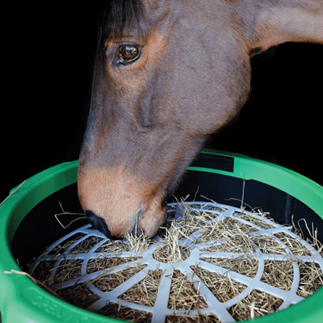
Be creative! Consider using slow feeders to extend the time it takes them to eat their hard feed.
Hang bundles of tasty natural plants for the horse to pick at in the stable. When in leaf, branches from trees such as willow give them something to nibble at that can keep them busy for ages without supplying a heap of calories! Greenery other than grass offers variety and interest but always check the plants you choose are safe for them to eat.
If you're soaking hay and they're not keen to eat it, try adding flavoured tea to make the water more palatable. Although be careful of prohibited substances risk if you’re competing under affiliated rules.
Some horses love the company of other species. Perhaps it's time to get your horse a friendly goat or sheep?
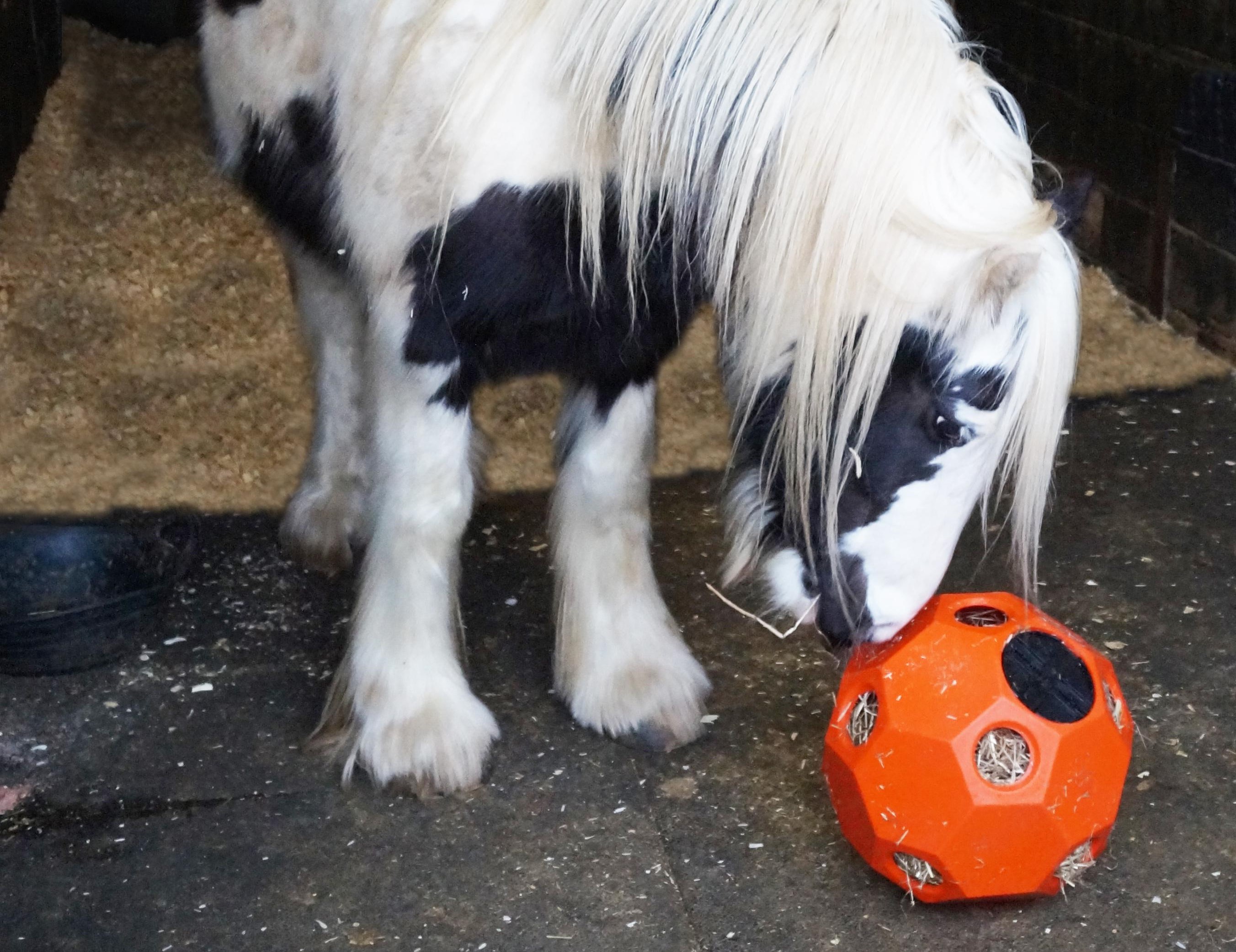
Leaving a stable toy with a horse is not effective enrichment if the horse doesn’t interact with it. Try different items and ideas to find what works for your horse and offer them for short periods at a time to maintain novelty and interest.
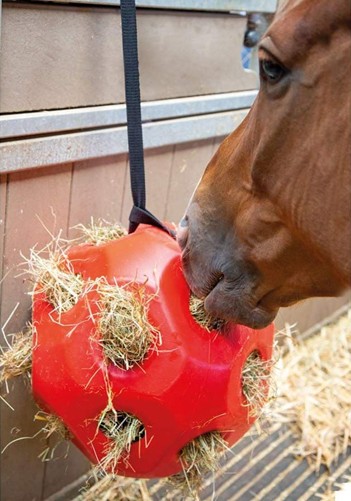
If you’re using a treat ball, make sure you’re not being overly generous. Although feeds like SPILLERS High Fibre Cubes are low-calorie, larger amounts still add up to more calories!
Keep an eye on your horse for signs of boredom, stress, frustration or depression. Don’t assume more food is the answer but try to find more interesting ways to offer food and opportunities for other activities.
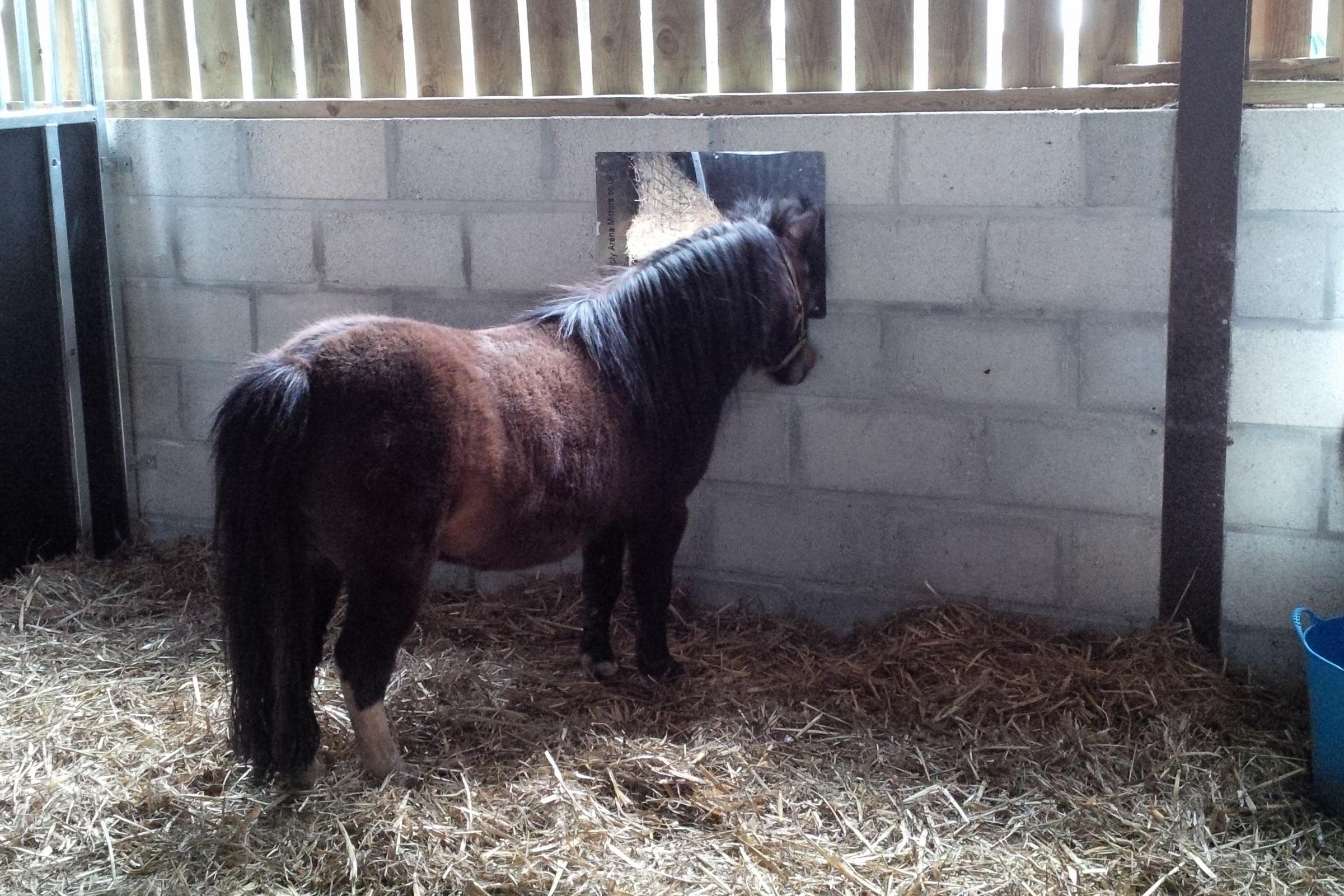
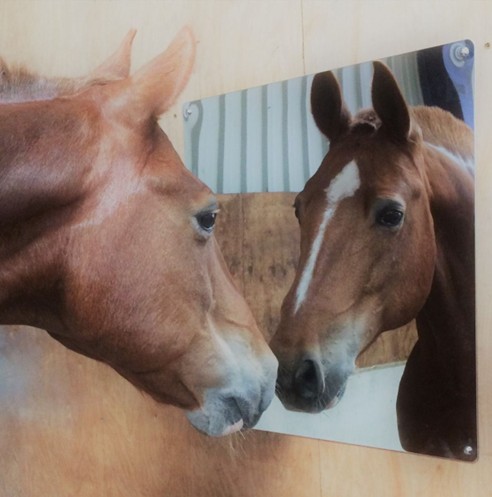
Stable mirrors can work well for some horses. Of course, they don’t resemble a real friend but can help a horse who struggles to settle in a stable, especially if they’re on box rest. They aren’t suitable for stallions and should be introduced with care to observe how an individual responds.
Spend more time grooming your horse, or doing ground work if you can’t ride them.
The jury is still out when it comes to radios for horses, but it’s something that may be worth considering if horse is stabled for long periods. While radios may benefit us humans more than quiet horses, some research shows that some horses seem more relaxed with a radio on for part of the day. Studies indicate that classical or country music is much more calming than rock or jazz - let your horse choose the station!
Although you can’t redesign your whole yard, it might help to consider the following points, especially if your horse/ pony is spending long periods of time in a stable:
Stabled horses benefit from having a room with a view, ideally with other horses in sight too.
Stables with a window as well as a door have also been shown to benefit their occupants, providing a wider field of vision and letting in more light and air in too.
If you own smaller ponies, ideally swap their solid stable door for one they can see out of, perhaps a gate or smaller door.
Remember, some horses thrive in busier parts of the yard where they have lots to focus on. Shy horses may prefer a quieter environment – every horse is an individual.
Redwings Horse Sanctuary are dedicated to enriching the lives of their resident equine herds and are big advocates of sharing all their tips and ideas. We teamed up with Redwings for this page to share the practises you could utilise to add enrichment to your horses lives and improve their mental wellbeing.