Lacking Energy

Good Doers - Lacking Energy
We all know that feeling when we’re tired, lacking energy and everything is an effort - well horses can feel the same and some good doers are even more prone to being sluggish. In some cases, it is more noticeable during ridden work, a lack of spark or perhaps having to use more leg than usual, or it can be apparent all the time. Every horse’s personality differs; some are firecrackers in every situation and others are the super safe and steady angels we specifically wanted.
Causes of lethargy
There are many reasons for lethargy in horses, many of them will have a clinical cause or could be down to management and/or training practices. Could your horse simply be bored of doing the same ride or exercises? Ideally a cause needs to be established - or at least some potential causes ruled out. Speak to your vet to eliminate any underlying health issues, especially of the lack of energy is sudden or out of character for your horse. If there’s no obvious clinical or training issue, then it’s time to look at whether the diet is providing enough energy (or too much!) to maintain the horse or pony in an ideal body condition.
Fact – Energy = Calories!
Regardless of their behavioural energy or performance, a horse who is underweight is not receiving enough energy (calories) for the work they are doing and one who is overweight is receiving too much!
Although the term 'energy' is often associated with performance or behaviour and 'calories' with weight, they are the same thing! Calories are a measurement of energy. Unfortunately, this means it is impossible to find a feed that is high in energy but low calories (or vice versa)! In human nutrition energy is measured in kilocalories, hence the commonly adopted term 'calories'. In equine diets, energy is measured in 'megajoules of digestible energy' which is often written on feed bags or labels as 'MJ DE/ kg'. 1 MJ of digestible energy equals 239 kilocalories - roughly 1 small bag of peanut m&m's!
Energy Sources
The main sources of energy in the horse's diet are fibre, oil, sugar and starch - which is found largely in cereals. Protein is not a primary energy source and is generally only utilised by starving horses. In these cases, lean tissue is broken down to try and meet demand. High levels of protein will not cause excitability or increase the risk of clinical conditions such as laminitis.
Slow Release Energy |
| Fibre and oil are broken down and absorbed relatively slowing and consequently, are often referred to as 'slow release' energy sources. |
Quick Release Energy |
| Sugars and starches are absorbed into the bloodstream more quickly and are often referred to as 'quick release' energy sources. |
- Although oil is described as a source of ‘slow release’ energy, it won’t make up for reduced stamina caused by a lack of fitness. It’s also highly calorific which is the opposite of what good doers need!
- Feeds high in starch may help produce a more energetic response in some horses although the reason for this is not fully understood. Equally this strategy may not be effective in all horses.
- High starch diets are not suitable horses and ponies prone to clinical conditions, such as laminitis and gastric ulcers.
A balanced diet supports energy
Vitamins, minerals and trace elements are all needed for optimum health, and many are directly involved in energy metabolism meaning any deficiencies could impact energy levels.
Get the basics of the diet right first!
Time of Feeding
Glycaemic index is a number applied to foods based on their overall effect on blood glucose. Sugars and starch are broken down and absorbed into the bloodstream relatively quickly, resulting in a higher peak in blood glucose. Whilst it may therefore seem logical to feed lazy horses a starch-based meal a few hours before exercise, horses do not directly utilise the energy from their last meal for the next bout of exercise. As they begin to exercise a horse uses a combination of glucose and fatty acids in the bloodstream and stored energy sources. In reality, the time at which you feed is unlikely to have any effect on ridden energy levels.
Have you thought about?
- Assess your horse’s fitness - perhaps they need more training to cope with the work you are asking him/her to do? Also, are you fit/ experienced enough and asking the right questions of your horse?
- If you have a young horse, remember it takes time to build muscle and strength as well as mental fitness. Young horses often tire more quickly than older more experienced horses who understand the exercise you’re doing and find it easy or are used to travelling or staying away etc. Fitness and stamina take time to develop - consistent work and patience are key.
- Consider other factors which may affect their energy levels too - e.g. has there been a recent change in weather conditions or season? Grass growth will slow down and become less nutritious over of the winter months, or even during long dry spells in summer.
- When weather is very hot and humid, is your horse appropriately acclimatised? Try riding at the beginning and the end of the day when it is cooler. If your horse is sweating regularly, are you adding salt to their diet to help replace lost electrolytes? A lack of hydration can impact energy.
- Is your horse full of beans out hacking but lazy in the school? Are they lazy out hacking but excitable when you put up a fence? These changes of energy suggest it’s not just about fitness but their mental attitude or enthusiasm for the work. You can’t feed them energy for one day but not the next. Discuss training and schooling ideas with your trainer, perhaps it’s time to add more variety?
- Don’t forget, a safe and reliable ‘Steady Eddie’ is worth their weight in gold and that may well be their personality. No matter how much you want them to be a sprightly imp at certain times, you can’t always have it both ways!
- Are your horse’s vaccinations, dental checks, and faecal egg counts all up to date?
- Have you had your saddle and your horse’s back checked recently?
- Is your horse or pony down the pecking order of the herd resulting in lack of grazing time and/or depression?
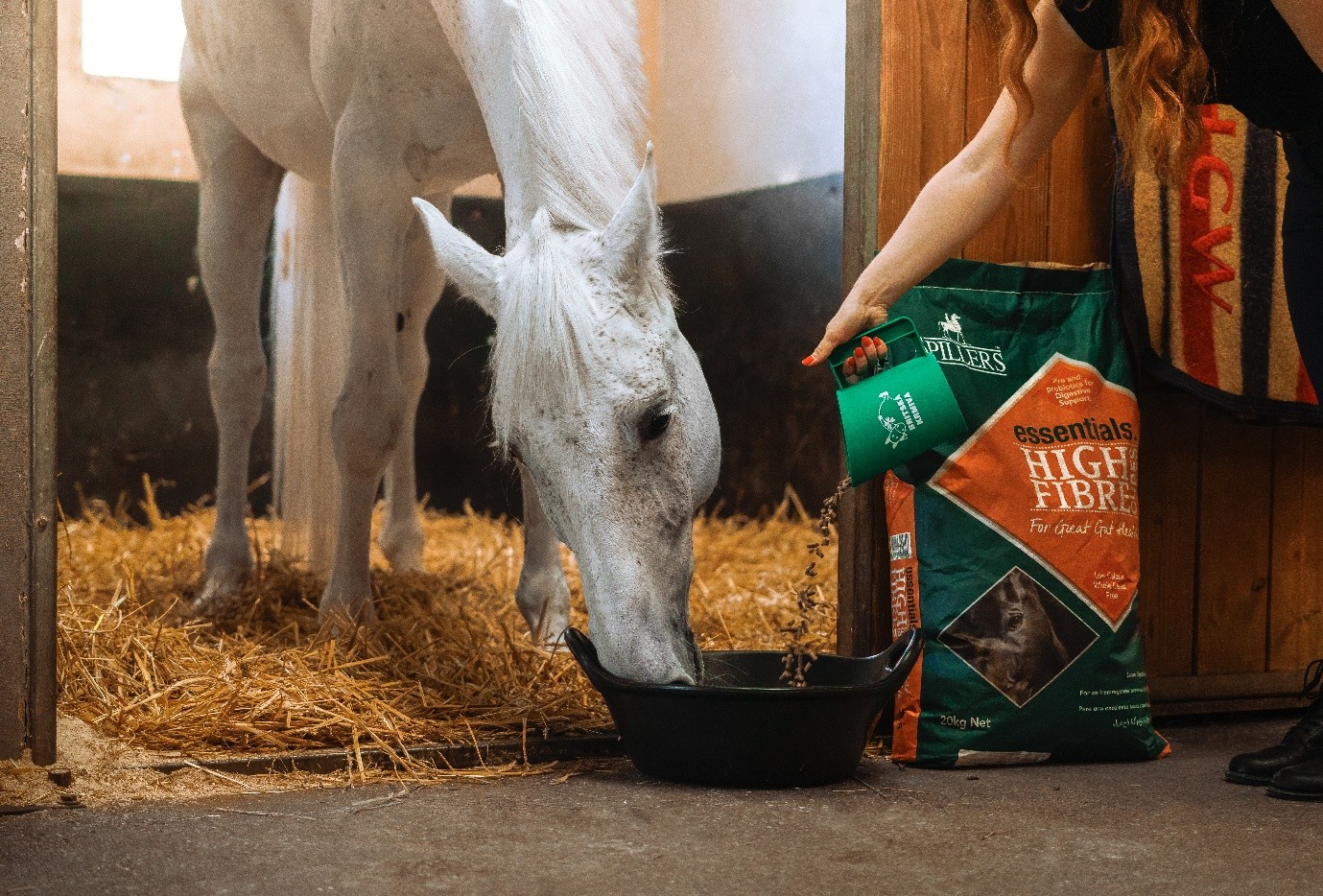
Improving energy with nutrition
- If your horse is overweight aim for steady weight loss; being overweight is a common cause of lethargy in horses. Aim to maintain a Body Condition Score (BCS) of 5 out 9 – being overweight can have a significant effect on energy levels! Don’t be tempted to increase their feed if they score 5 or above! Check out the other pages in our SLIMMERS hub for more information on weight, forage and grazing management.
- Ensure the diet includes sufficient forage – for most overweight horses feed a minimum of 1.5% current bodyweight on a dry matter basis. This is approx. 9kgs of hay or 11-12kgs for a horse without grazing.
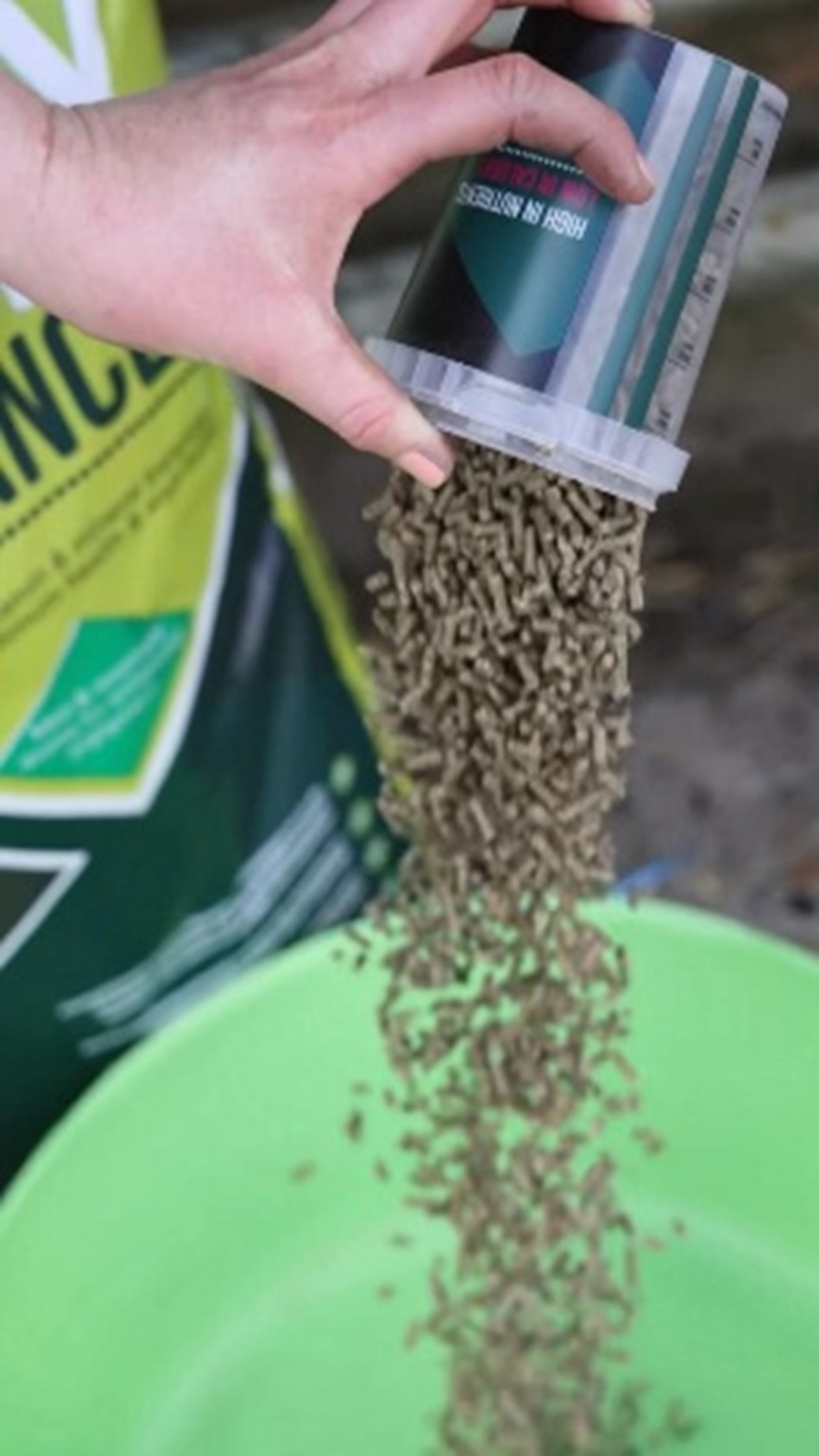
- Choose feeds which provide a balanced diet and maintain an ideal body condition score irrespective of the amount of work the horse is in. For good doers this usually means a balancer - they ensure a balanced diet which includes quality protein to support muscle function while providing minimal calories. Make sure you feed the full recommended amount of a balancer (or multivitamin & mineral supplement) if your horse maintains weight easily on forage alone.
- Consider if clinical conditions could be contributing to a lack of energy e.g gastric ulcers or other digestive upsets. SPILLERS Ulca Balancer is often an ideal choice for a good doer prone to ulcers/ digestive sensitivity. You can read more about feeding horses prone to gastric ulcers here.
- Feed a diet appropriate to your horse’s workload or status even if overweight – choose SPILLERS Original Balancer for the harder working good doer or SPILLERS Supple & Senior Balancer for older horses or those needing more joint support.
- Ensure you maintain hydration by always providing fresh clean water and adopt an appropriate electrolyte replacement strategy. See our Salt blog here!
- Don’t be tempted to reach for ‘energy tonics’ loaded with iron, most UK forage over supplies iron so it’s not necessary to add it to a horse’s diet. Iron deficient anaemia is rare, whereas anaemia secondary to chronic disease or infection is a much more common occurrence. If anaemia is apparent on blood work discuss the best course of treatment with your vet.
- As they are involved in energy metabolism, supplements containing B vitamins may be helpful. Other ingredients and nutrients that may be helpful include ginseng and branch chain amino acids.
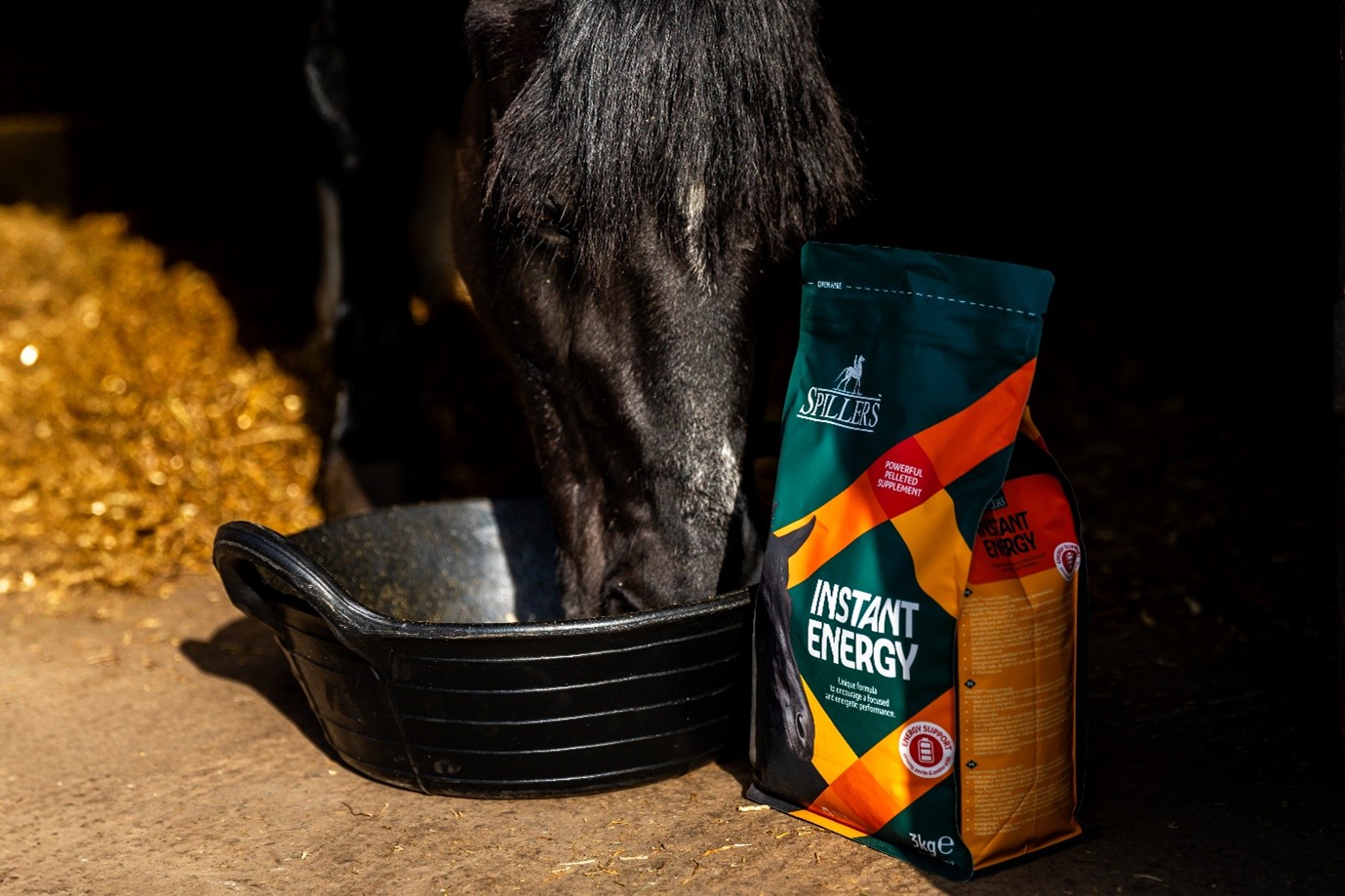
Have you heard of SPILLERS Instant Energy supplement? It’s a unique recipe designed to promote energy and focus without the possible drawbacks of feeding excess starch and calories by adding oats or competition mixes to the diet. You can find out how this super palatable pelleted supplement can help keep your horse performing at their best HERE