Forage First: How to Feed Your Poor Doer and Build Condition Safely
It can be incredibly worrying when your horse is struggling to hold their weight. Whether you are managing a sensitive Thoroughbred through the colder months, caring for a senior horse whose teeth aren't what they used to be, or simply trying to get a naturally "poor doer" looking and feeling their best, we completely understand the worry, time, and commitment that goes into every single decision you make.
Here at SPILLERS, we know that every horse is a unique individual, which is why we’re always here to listen and help. When it comes to building condition, it's easy to think you should load them up on high-calorie bucket feeds. But before you do, let's get the absolute foundation of your horse's diet right first: and that’s forage.
Why Forage First?
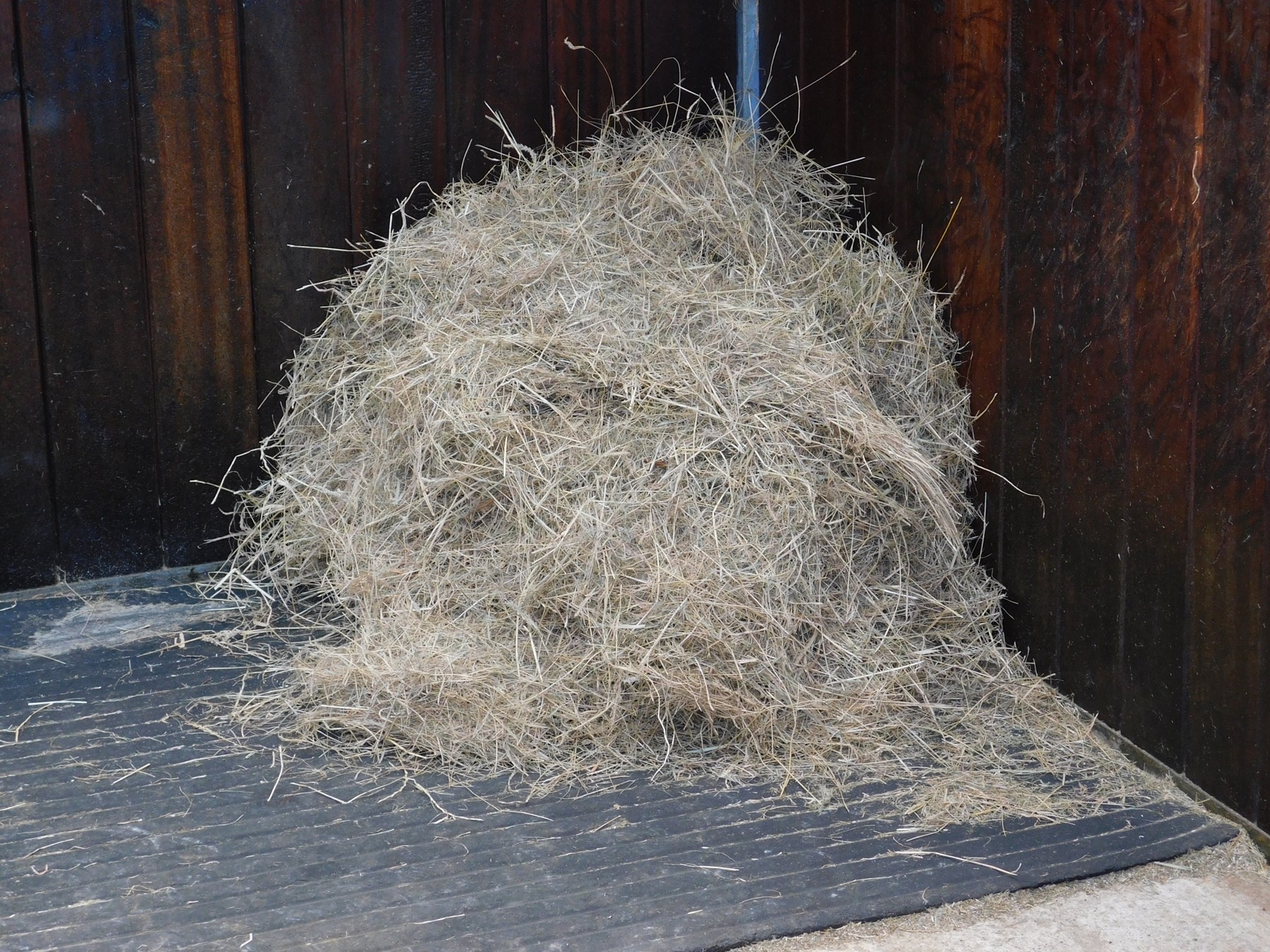
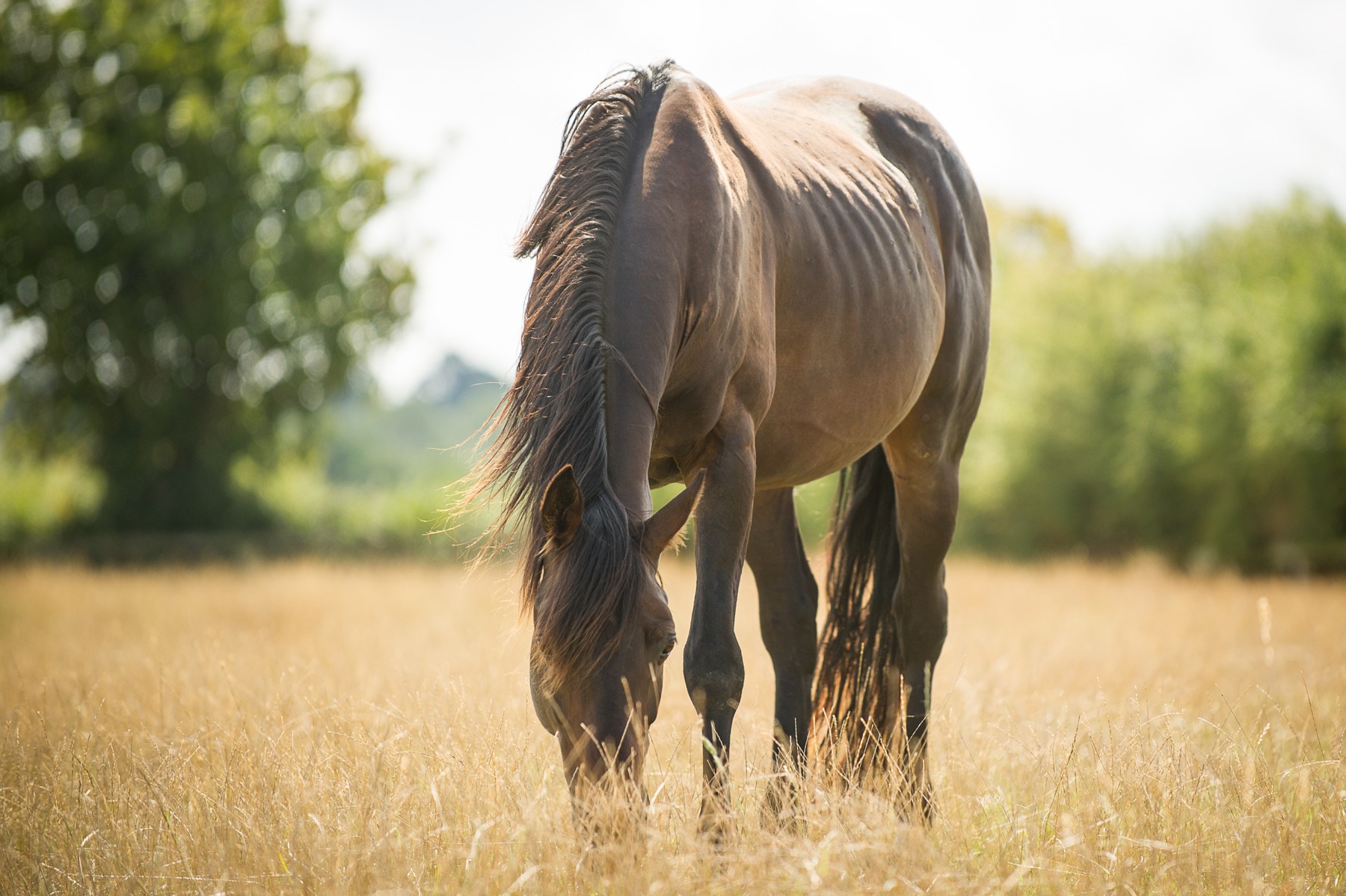
It might sound obvious, but forage (grass, hay, or haylage) is often the best and usually largest source of calories in your horse's diet. Beyond supplying energy for everyday bodily function, it is vital for keeping their digestive system ticking over and supporting their mental wellbeing.
Think of forage fermentation in the hindgut as your horse’s built-in central heating system! Millions of friendly, fibre-digesting microbes work hard to break down that fibre, generating heat as along the way. This keeps your horse warm from the inside out meaning healthy horses, eating plenty of forage are very efficient at keeping warm. Before you look at increasing concentrate or "hard" feed, it is always best to maximise their forage intake first.
Key Forage Principles for Poor Doers
To get the absolute most out of your forage regime, here are a few practical rules we use at the yard:
- Keep it flowing: Provide your poor doer with as much forage as they will eat, while being mindful of waste – we know easily they trample loose hay into their beds. If they are polishing off their nightly haynet completely, try offering them an extra half net to see if they will eat another kilo or two.
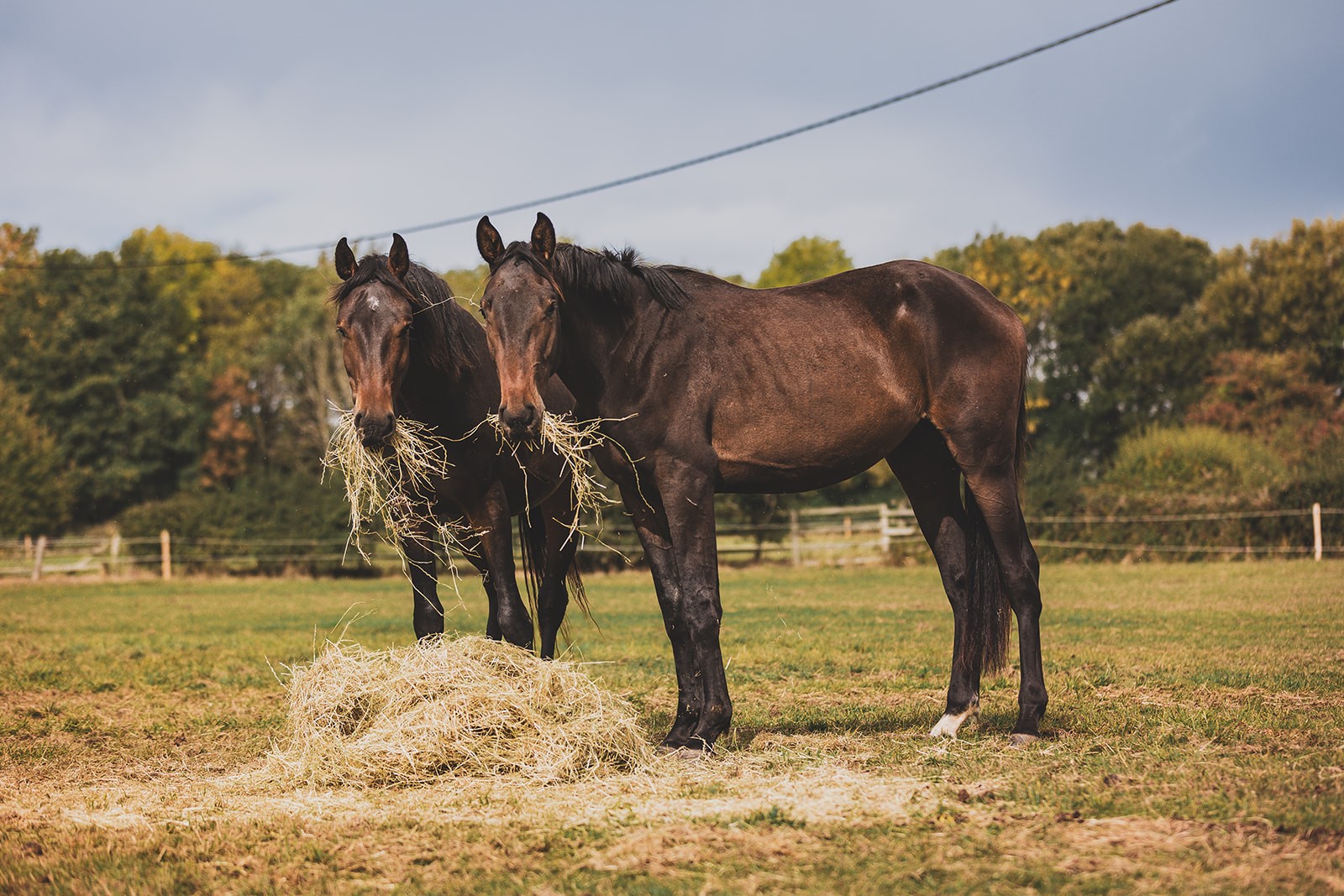
- Monitor actual intake: It is easy to confuse what we feed with what they actually eat. Try weighing how much hay you put in and how much is left over or trampled into their bedding. 30% of hay ends up on the muck heap – that’s expensive! - so if your horse wastes their forage looks for cunning ways to reduce wastage.
- Tempt the reluctant ones: Some horses simply aren't huge forage lovers. If you have a fussy feeder, try offering haylage, or a tasty mix of hay and haylage to see if they find it more appetising. Some prefer it warm and soft out of a steamer.
- Introduce changes gradually: Just like with bucket feeds, make any changes to their forage source slowly over a week or two to let their digestive systems adjust. Digestive upset is much more likely following a sudden change of diet or paddock.
- Supplement the field: If your grazing is sparse or of poor quality, make sure to supply good-quality hay or haylage out in the field so they never run out of something to eat. If they don’t touch it, they’ve likely got enough grass.
Quick links
How Much Forage Does Your Horse Need?
To make things super simple, we have put together a handy feeding guide. For underweight horses or poor doers, we recommend aiming for at least 2% or even 2.5% of their bodyweight in forage per day on a dry matter basis.
Dry matter refers to what is left of the forage once the water is removed. We have to increase the "as fed" weight to make sure your horse gets the actual minimum fibre intake they need!
We’ve done the maths so you don’t have to, and the table below is what you should weigh out for a 500kg horse with no access to grass.
| Desired Dry Matter Intake | Amount to weigh out | |||
Dry Hay | If Soaking Hay | Haylage | Haylage | |
| 1.5% Bodyweight (Minimum daily intake; typically for weight loss) | 1.8% bodyweight
| 2.1% bodyweight
| 2.1% bodyweight
| 2.5% bodyweight |
| 2% Bodyweight (Recognised maintenance intake) | 2.4% bodyweight
| 2.9% bodyweight | 2.8% bodyweight | 3.3% bodyweight
|
| 2.5% Bodyweight (Desirable for underweight horses & ponies) | 2.9% bodyweight | 3.5% bodyweight
| 3.6% bodyweight | 4.2% bodyweight
|

For ponies or larger horses adjust as required based on their body weight.
For horses out grazing for several hours each day adjust accordingly:
- If your horse is turned out for around 10 hours a day aim to feed around half the above amounts while they’re stabled, around 10kgs of haylage overnight.
- Or split the above amounts logically - for a very underweight horse on lush pasture for 16 hours I would plan to feed them around 5kgs of dry hay whilst they’re in for 8 hours, but I’d also be happy if they ate more.
Hay vs. Haylage: The Dry Matter Dilemma
A very common myth in the equestrian world is that haylage is automatically ‘richer’ - higher in calories, sugar, or protein - than hay so you should feed less of it. In reality, the main difference is the water content!
Because haylage is baled quickly after cutting it has a much higher water content than dry hay. Consequently, you need to feed more of it on an "as fed" basis to ensure your horse gets the same dry matter intake. Water doesn't count toward your horse's actual forage needs!
For example, looking at our 2.5% bodyweight guideline for an underweight 500kg horse:
- If you feed dry hay, you need to weigh out 14.5kg daily.
- If you feed a wetter haylage (60% dry matter), you need to weigh out 21kg daily to get the exact same amount of nutritional benefit!
Regarding the ‘richness’ or nutritional content of hay vs haylage, every batch will vary, so the only way to know the true value of your forage is to have it analysed. Early cut, softer forages are generally more digestible, more palatable, and higher in calories, making them the ideal choice for weight gain.
What to Do if They Struggle to Eat Forage
Sometimes, providing ad-lib forage isn't enough. Our horses can occasionally struggle to chew, lose their appetite, or simply become fussy. When this happens, forage replacers can provide a great solution!
Troublesome Teeth & Senior Needs
Dental issues are a common culprit behind unexpected weight loss, particularly in our "golden oldies." If a horse has diastemas (gaps between their teeth), worn-down molars, or missing teeth, they may struggle to chew long-stem forage properly.
Although "quidding" (dropping partially chewed balls of grass or hay) is a common sign things may well begin to develop long before this red flag.
- slower chewing, taking longer to eat
- reluctance to tuck into feeds as they usually would
- not finishing meals
- discomfort with having a bridle fitted
- discomfort or unwillingness during riding
- finding unchewed forage in their droppings
Our horses and ponies are stoic and generally their appetite can hide a multitude of sins so regular dental checks are essential. If your horse’s dentist advises it’s time or your horse is just simply no longer eating enough forage to hold a healthy weight, it may well be time to consider a forage replacer.
Our delicious mashes, like SPILLERS Speedy-Mash Fibre and SPILLERS Senior Super-Mash, are perfect forage replacers. They soak rapidly into a soft, fibre-filled, super tasty mash which can be fed as a partial or even 100% full forage replacement if your horse can no longer manage hay or grass.
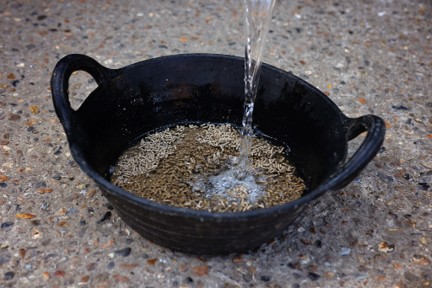
For those who don’t yet need a mash but perhaps need a kick start to get them eating again or simply a tasty option to chew instead of or alongside their forage we have other choices. SPILLERS HAPPY HOOF, SPILLERS HAPPY HOOF Molasses Free and SPILLERS High Fibre Cubes are all carefully formulated to be safely fed in larger quantities as forage substitutes too.
Tips for Tempting Fussy Eaters
If your horse is healthy but has a poor appetite, try these simple yard-tested tricks to encourage them to tuck in:
- Divide and conquer: Feed smaller, more frequent meals so they don't feel "over-faced" by a huge bucket.
- Warm it up: Adding warm water to their feed in the winter can be a game-changer for horses with sensitive teeth, super seniors may find it particularly appealing.
- Add a splash of flavour: Try mixing in a little apple juice, grated carrots, or even a pinch of fenugreek (which has a lovely curry-like aroma horses adore!).
- Quiet time: Some horses don’t want to be separated from their friends, while others get anxious and protective of their feeds and benefit from a quiet, peaceful corner to eat their dinner in peace.
- Don’t chop and change: sometimes it’s a battle of willpower but constantly chopping and changes feeds can make horses even fussier. Stick with a few core feeds they tend to eat best and offer them as a buffet. Some will eat one better for a few days, then eat more of another, but hopefully their digestive tract will be used to those few and not be unsettled by something new all the time.
Need a Helping Hand? Speak to Our Care-Line!
Every horse's needs are different, and we are always here to help you choose your horse's path. If you'd like a personalised diet plan or just a friendly chat about how to support your poor doer, get in touch with our team of friendly nutrition advisors.
- Call the SPILLERS Care-Line: 01908 226626
- Fill in our online consultation form
Author
Written by: Vanessa Allen
Equine Nutrition Advisor, SPILLERS
Author summary:
Vanessa has been part of the SPILLERS nutrition team for over a decade and writes evidence-based, practical feeding advice to help owners support their horses’ health, wellbeing and long-term condition.
Personalised Support When You Need It
Our nutrition specialists are available to offer tailored advice, ensuring you get the most from your horse's diet.

Call us
01908 226626