
Managing Horse Weight Loss: When to Call the Vet and What to Expect
We know how much time, care, and devotion goes into keeping your horses and ponies happy and healthy. Many of the team at SPILLERS are owners ourselves, and we know there is nothing quite like the feeling of standing at the yard on a crisp morning, watching our horses graze happily. However, when we notice our horses losing condition that satisfaction can quickly turn to worry.
Weight fluctuation is perfectly natural as the seasons change but unexpected or severe weight loss can be deeply concerning. Understanding when a drop in weight is simply a seasonal adjustment and when it warrants a call to your vet is key to keeping your horse in healthy. Let's walk through what is normal, what is not, and how we can support you and your horse every step of the way.
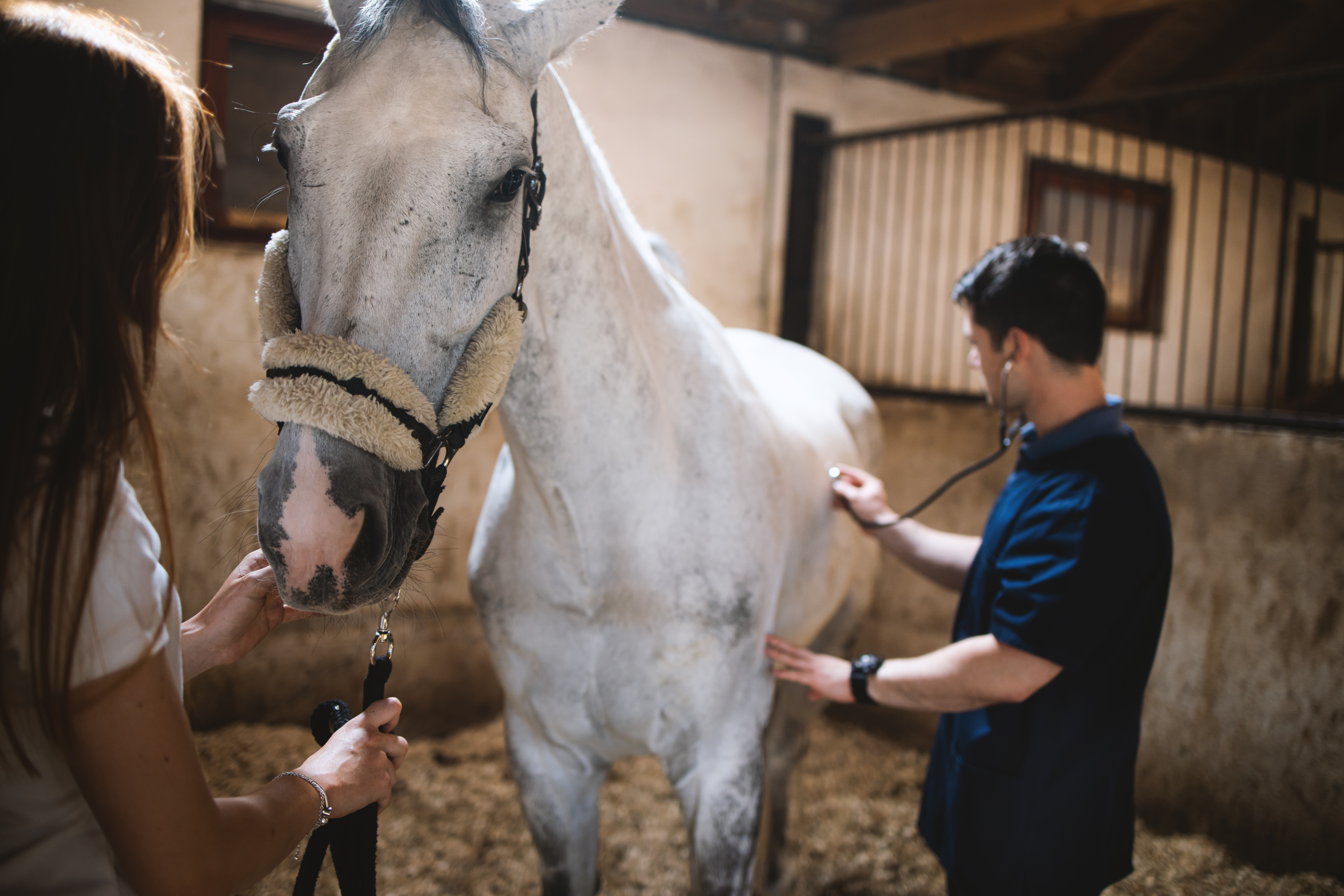
Understanding Horse Weight Loss: What's Normal?
It is entirely normal for a horse's weight to fluctuate slightly throughout the year.
- The Seasonal Cycle: Horses naturally gain weight during the lush spring and summer months and lose much of that condition during the colder winter season.
- Weight Changes: The natural ebb and flow might be more pronounced in those who aren’t in work, poor doers and particularly those who live out all year round.
- Managing Good Doers: The cooler months can actually be a very helpful ally when we are trying to manage weight or encourage weight loss in a horse who is a "good doer."
- The Poor Doer: On the other hand, some horses are naturally "poor doers" and regularly need a helping hand with careful management and extra calories required to get them through the winter.
While reviewing your horse's diet is always a sensible first step in any case of condition loss, it is vital to remember that weight loss can also be an early sign of an underlying medical issue. In these cases, dietary changes alone won't solve the problem, and a professional veterinary investigation is required.
When Should You Call the Vet for Weight Loss?
Knowing when to step in and call your vet can make all the difference. We always advise seeking professional veterinary support if you notice any of the following warning signs:
- High Calorie Intake: Your horse is losing significant weight despite having a healthy appetite and being on a suitable, high calorie diet.
- Difficulty Eating: Your horse shows any signs of difficulty eating, chewing, dropping food (quidding), or swallowing.
- Accompanying Symptoms: The weight loss is accompanied by other clinical signs such as loose droppings, changes in their skin or coat, lethargy, or changes in their usual character.
- Low Body Condition Score: Your horse has become excessively thin, dropping below a score of 4 out of 9 on the Body Condition Scoring (BCS) scale (click for more info).
- Unexpected Loss: The weight loss is sudden or unexpected, such as rapid condition loss in a horse that is normally a very good doer.
What to Expect When Your Vet Investigates Weight Loss
Many different illnesses can cause a horse to lose weight, so your vet will need to consider a long list of possible causes. The approach taken will depend on the characteristics of the individual horse, their environment and any information about their previous health. Often the cause is identified by piecing together different pieces of information rather than a single test.
Your vet will typically start by examining your horse thoroughly and gathering a detailed history from you. They will look at your horse’s general body condition, check their vital signs, and by using other techniques such as blood tests, faecal tests, sometimes ultrasound and other investigations.
Quick Links
How Age and History Guide Your Vet's Assessment
- Parasites (Worms): While worm-related weight loss can occur in horses of any age, it is particularly common in youngsters and very elderly horses. Your vet may recommend reviewing your worm control programme, performing poo testing for worm eggs, or taking blood tests for tapeworm or redworm.
- Pituitary Pars Intermedia Dysfunction (PPID or Equine Cushing's Syndrome): In mature or senior horses, muscle wasting and weight loss can often be linked to PPID. If your senior horse is losing top-line or condition, your vet may recommend a specific blood test to check for this common endocrine disorder.
The Power of Your Observations
Your daily observations are incredibly valuable. Your vet will want to know about:
- Diet & Appetite: What and how much is your horse eating, and are they still keen?
- Droppings: What is the quantity and consistency of their poo? This is a great indicator of how well they are digesting their feed and the overall health of their gut.
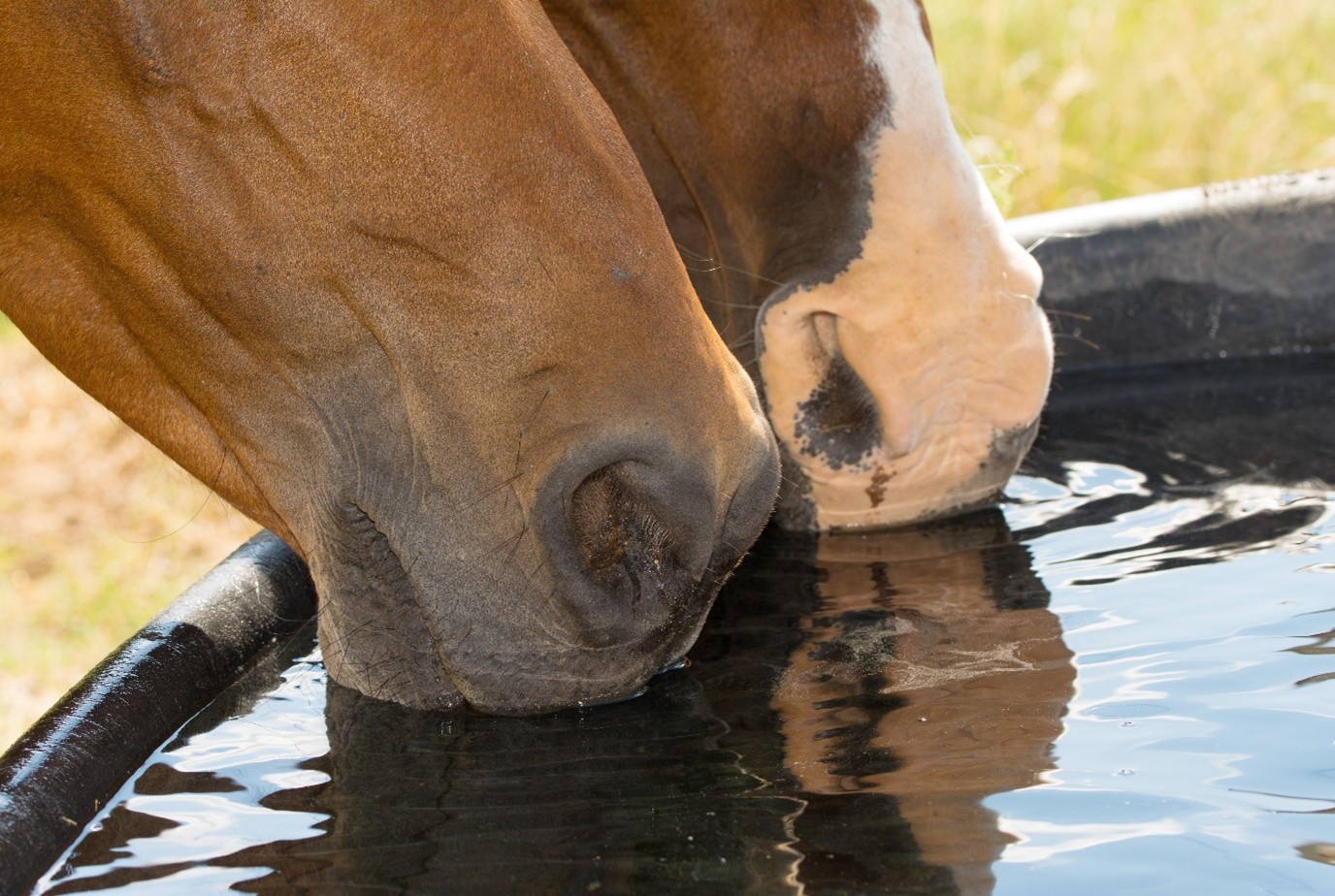
- Drinking & Urinating: Changes to drinking and urination can be seen in cases of PPID or kidney disease but may also occur in healthy horses sometimes reflecting diet or management changes.
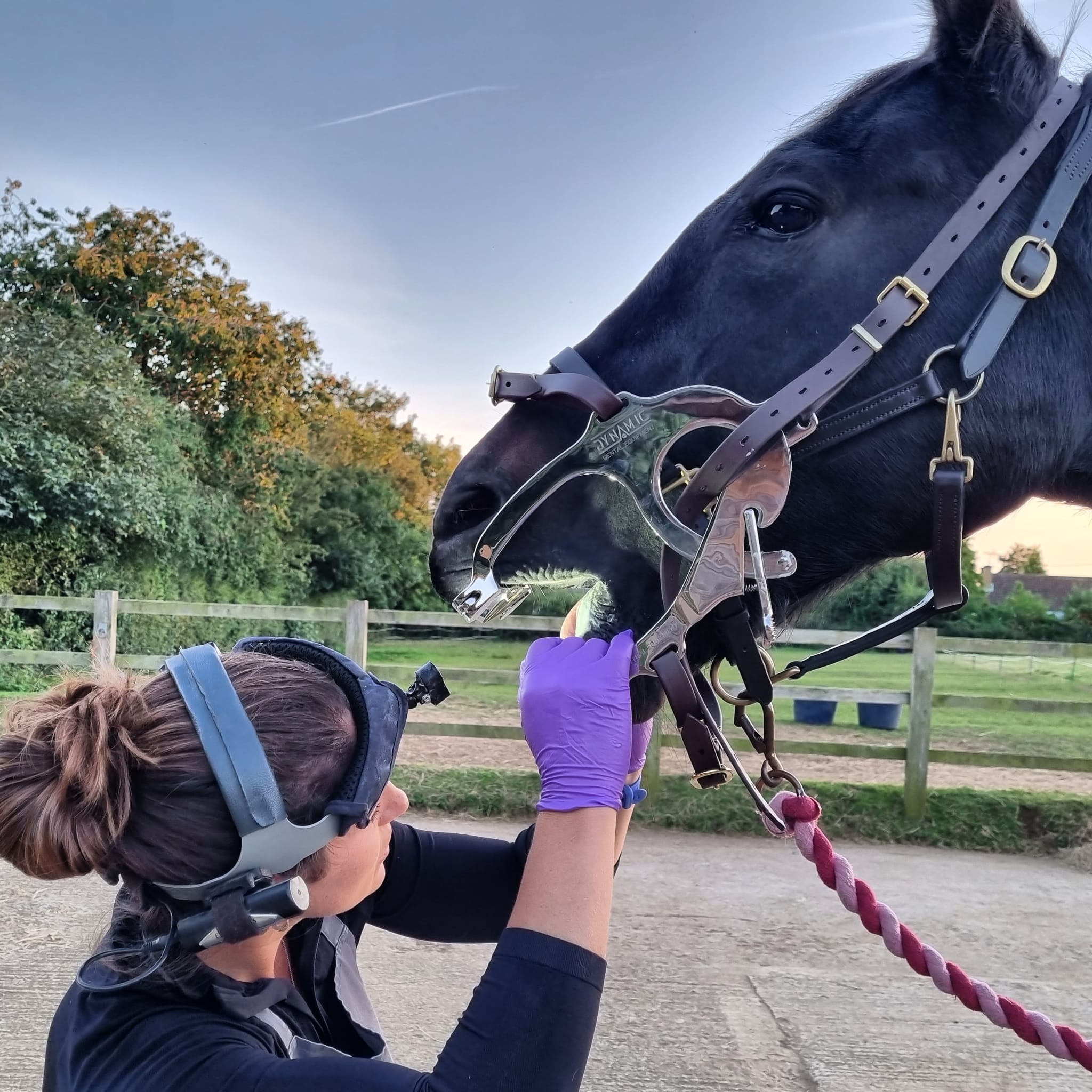
- Dental Health: Many horses can keep eating relatively well even when suffering from dental pain. Regular dental examinations are essential to ensure your horse can comfortably eat and process their forage. Older horses especially can have real difficulty chewing long fibres like hay and may need more regular checks.
Veterinary Diagnostic Tests: What Do They Show?
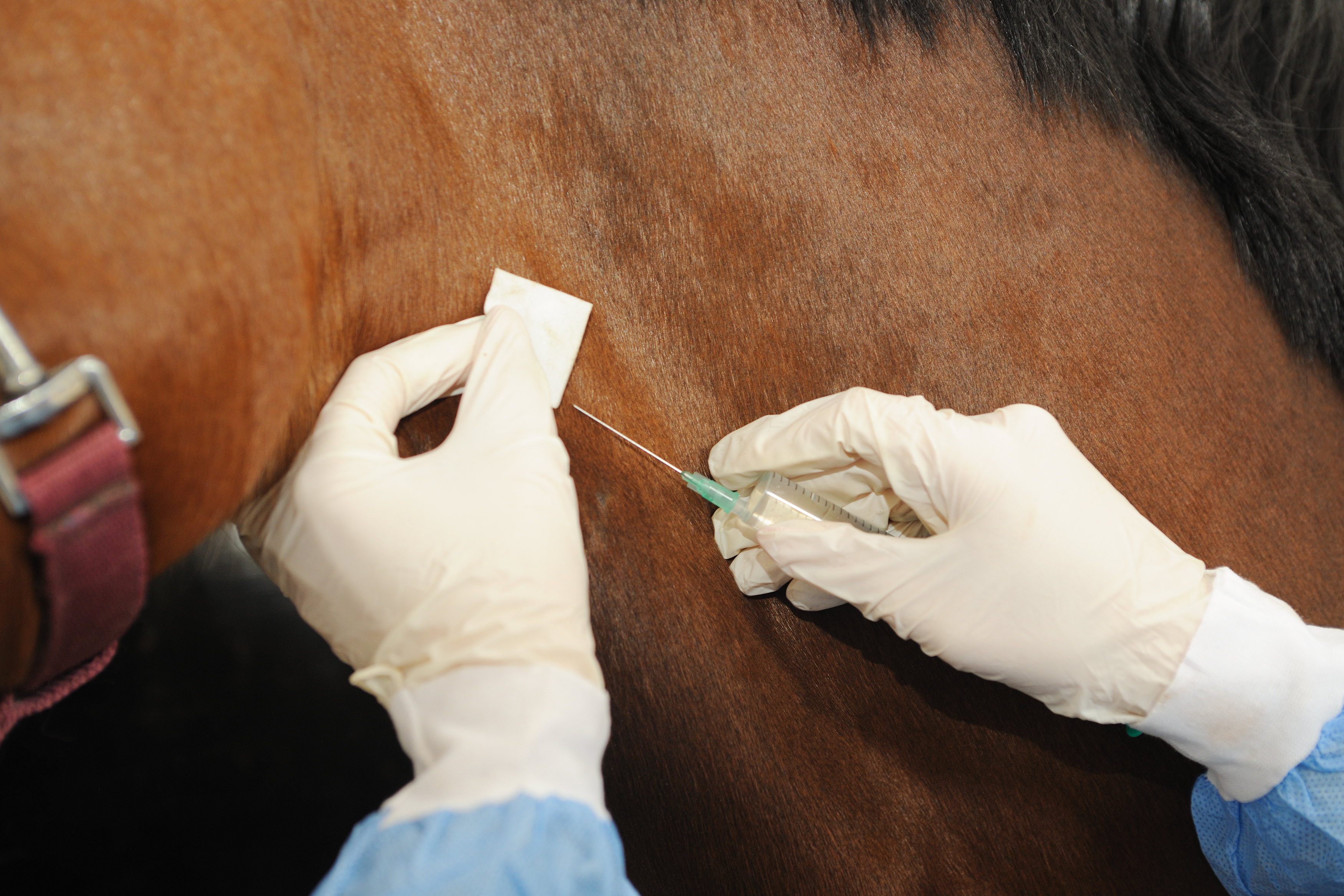
To get a clearer picture of what’s really going on your vet may recommend several diagnostic tests:
Routine Blood Tests
Routine blood tests can also be very helpful. A standard panel would include information about the number and types of blood cells together with indicators of the health of major organs such as the liver and kidneys, protein levels and signs of inflammation.
These routine tests often indicate a problem with a particular organ but do not provide a definite cause for that problem and further tests may be needed. For example, changes to white blood cell levels together with changes in inflammatory proteins usually indicate that the horse’s body is responding to an infection but don’t tell the vet what that infection is. Other tests might reveal a cause such as worms or a bacterial infection.
Protein Problems
Low protein levels on blood tests are often a prompt for further investigation of the guts. Assuming that the horse is eating enough protein then low levels can indicate that the horse is not absorbing the protein from the intestines or that it is using up protein or losing it quickly. Ultrasound scans can help investigate gut health although due to the size of the horse many areas cannot be seen. Potential causes of low protein can include inflammatory or bacterial bowel disease, some long-term medications and tumours as well as many other causes.
The Liver
Liver disease can also cause weight loss and can be indicated by blood tests. Low levels of damage to the liver are quite common but often do not appear to cause problems because the remaining liver is still able to do its job. Thankfully the liver is also good at repairing itself after mild damage. More serious problems can occur when liver disease is severe or long-term when the remaining liver is not able to fully function.
Advanced Investigations
There is a long list of other potential causes of weight loss some of which can be difficult to identify. In older horses tumours can be a concern and can be difficult to diagnose. The large size of horses prevents vets from using some of the techniques used in other species such as whole body CT or MRI scans.

About the author:
Dr. Edd Knowles is the Global Equine Science & Nutrition Director at Mars Horsecare, home of the SPILLERS brand and Head of Equine Studies - Waltham Petcare Science Institute. Edd graduated from Cambridge University as a Veterinarian in 2005, initially working in small animal practice before moving to equine practice in 2007. Edd has enjoyed roles in first-opinion practice, a specialist hospital, and a diagnostic laboratory, becoming a specialist in Equine Internal Medicine in 2014. Edd previously worked for Bell Equine Clinic where he balanced his clinical work with research, with the focus on laminitis.
Need a Helping Hand? Contact the SPILLERS Care-Line
Every horse is a cherished individual, and their journey to maintaining a healthy weight is unique. If you have any concerns about your horse's weight, need advice on tailoring their winter diet, or want to understand which feeds will best support their condition, we are here to help!
The team at SPILLERS are here to support you and your horse no matter how small or big your concerns may be. You can reach our friendly, experienced nutrition specialists via the SPILLERS Care-Line on 01908 226626 (available Monday to Friday, 9am - 5pm) or simply fill in our online consultation form(open in new tab) for free, tailored feeding advice.