
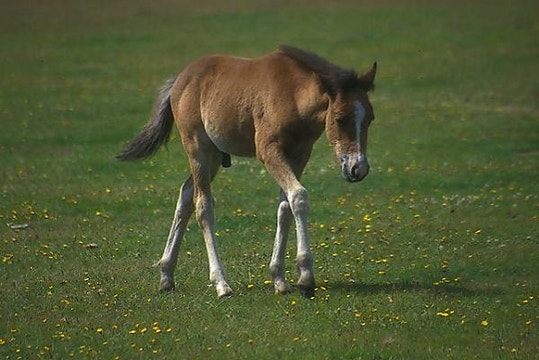
Can Alfalfa Help Horses With Gastric Ulcers? Benefits, Myth-Busting, and Scientific Insights
Alfalfa has unfairly been the cause of confusion and demonised by some fractions of the equine community, largely due to the misinterpretation of science and misinformation.
Whilst it won’t suit every horse, for the majority alfalfa is a popular and highly beneficial feed for horses. Far from being a trigger for excitability or laminitis, alfalfa is a naturally low-sugar, nutrient-rich super-fibre. There is much science to prove it supports digestive health, it provides high-quality protein for muscle development, and acts as an excellent source of slow-release calories.

Setting the Record Straight: Why the old studies caused confusion
Much of the modern hesitation around feeding alfalfa stems from two back in 2016 and 2017. When these papers were first published, findings were misinterpreted and leading to misleading advice that alfalfa chaff should be avoided.
However, a closer look at the science revealed that those studies did not reflect real-world feeding practices:
- The 2016 Study^: Researchers fed warmblood foals a very large amount (3kg daily) of coarse alfalfa chaff or alfalfa pellets, alongside ad-lib hay and a supplementary feed of oats, soya bean meal, vitamins and minerals. 84% of foals had gastric ulcers before weaning and all were found to have gastric ulcers post weaning. This occurred across both diet groups highlighting the severe stress of weaning. The severity of ulcers at the exit of the stomach (the pylorus – part of the glandular region) was greater in foals fed alfalfa chaff but it was unclear whether this increase was the result of mechanical damage caused by the ‘harsh’ nature of the alfalfa, or by a breakdown in the stomach lining’s defence system caused by the stress of weaning. For this reason, the same group of researchers completed a second study in adult horses.
- The 2017 Study~: This study looked at just six adult horses stabled 24/7 and fed alfalfa chaff or grass hay only. While there was a slight increase in minor glandular irritation, the results were not statistically significant, meaning the findings are not scientifically reliable enough to prove alfalfa was the cause.
Super Science Says:
The latest research* confirmed that alfalfa has a high acid buffering capacity to support a healthy stomach. 10 horses were fed 5 different diets and researchers found chopped alfalfa extended chewing time, consequently increased saliva production, and had “greatest potential to support a healthy gastric environment”. Regardless of whether alfalfa was chopped, refined or pelleted it had positive effects compared to feeding a cereal only based diet alongside hay.
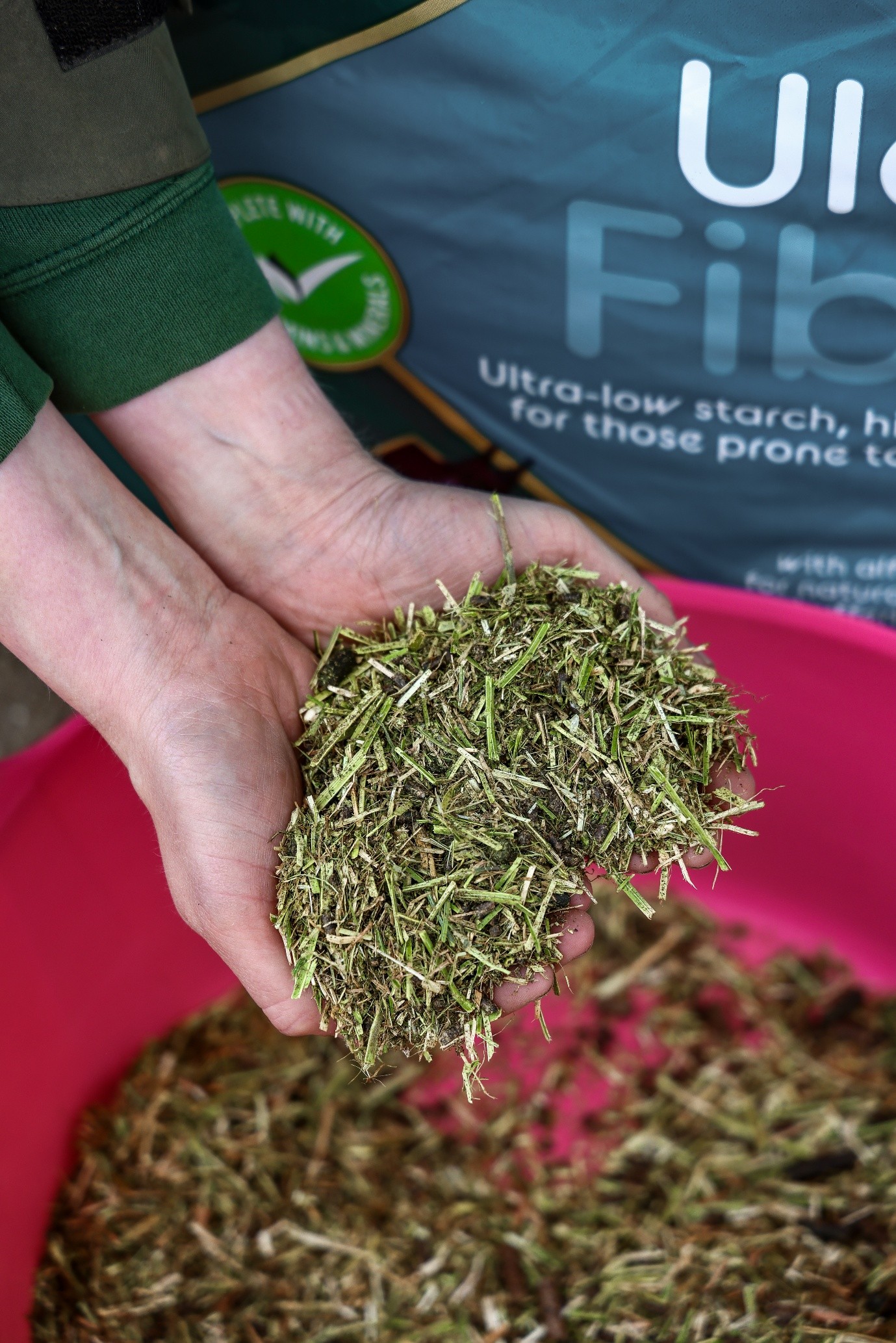
Work published in collaboration with SPILLERS$ was the first to show that appropriate diet management can maintain the positive effect of omeprazole treatment, even after treatment has stopped. The trial diet in this study included SPILLERS Ulca Fibre, a chopped fibre feed containing alfalfa.
Numerous research groups continue to investigate Equine Gastric Ulcer Syndrome and positive findings means the industry continues to recommend feeding horses chopped fibre, including alfalfa.
Find out about: Super Fibre = SPILLERS Ulca Fibre
The Benefits of Alfalfa for Horses
Alfalfa is a legume, not a grass, which gives it a unique nutritional profile. Far from being a "bad" feed, it offers superb natural benefits for almost all horses:
- Natural Acid Buffering: Alfalfa is naturally rich in calcium and quality protein. These components help to buffer stomach acid and protect the delicate stomach lining.
- Low in Starch and Sugar: Despite the myth that alfalfa triggers laminitis, alfalfa is naturally very low in water-soluble carbohydrates (sugar and starch), making it a great option for horses and ponies who need more calories but are prone to laminitis.
- Premium Protein for Topline: It provides high-quality essential amino acids (the building blocks of protein), which are crucial for building muscle, maintaining topline, and supporting tissue repair.
- Slow-Release, Non-Heating Energy: Alfalfa provides energy through highly digestible fibre. This slow-release energy source is more suited to sharp or excitable horses than the quick-release energy found in cereal-based feeds
Product Spotlight: SPILLERS Alfalfa-Pro Fibre
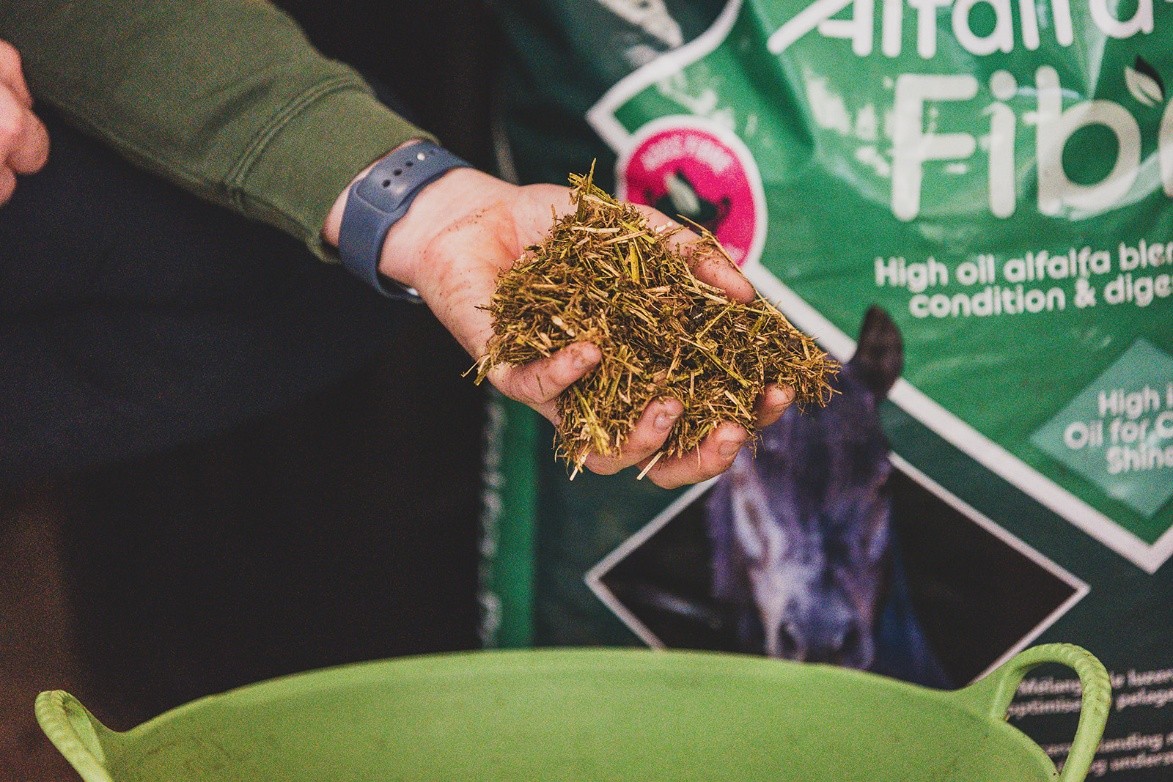
Table of Contents
Short-Chopped Fibre Belongs in the Bucket
Adding a high-quality short-chopped fibre (like an alfalfa-based chaff) to your horse’s bucket is one of the easiest ways to improve their diet:
- Extends Eating Time: Adding chaff to compound feed forces your horse to chew more thoroughly. This significantly increases meal duration, helping reduce boredom and provides enrichment.
- Generates Saliva: Horses only produce saliva when they chew. Saliva contains natural bicarbonate which acts as a natural stomach acid buffer. Increased chewing means more saliva and a happier digestive system.
- Creates a Protective Fibre Mat: Feeding roughly a stubbs scoop of chopped fibre 30 minutes before exercise sits on top of the stomach contents. This creates a physical barrier reducing acid splashing onto the sensitive, ‘non-glandular’ upper lining of the stomach during work.
Recommended Reading: The Benefits of Fibre Blog
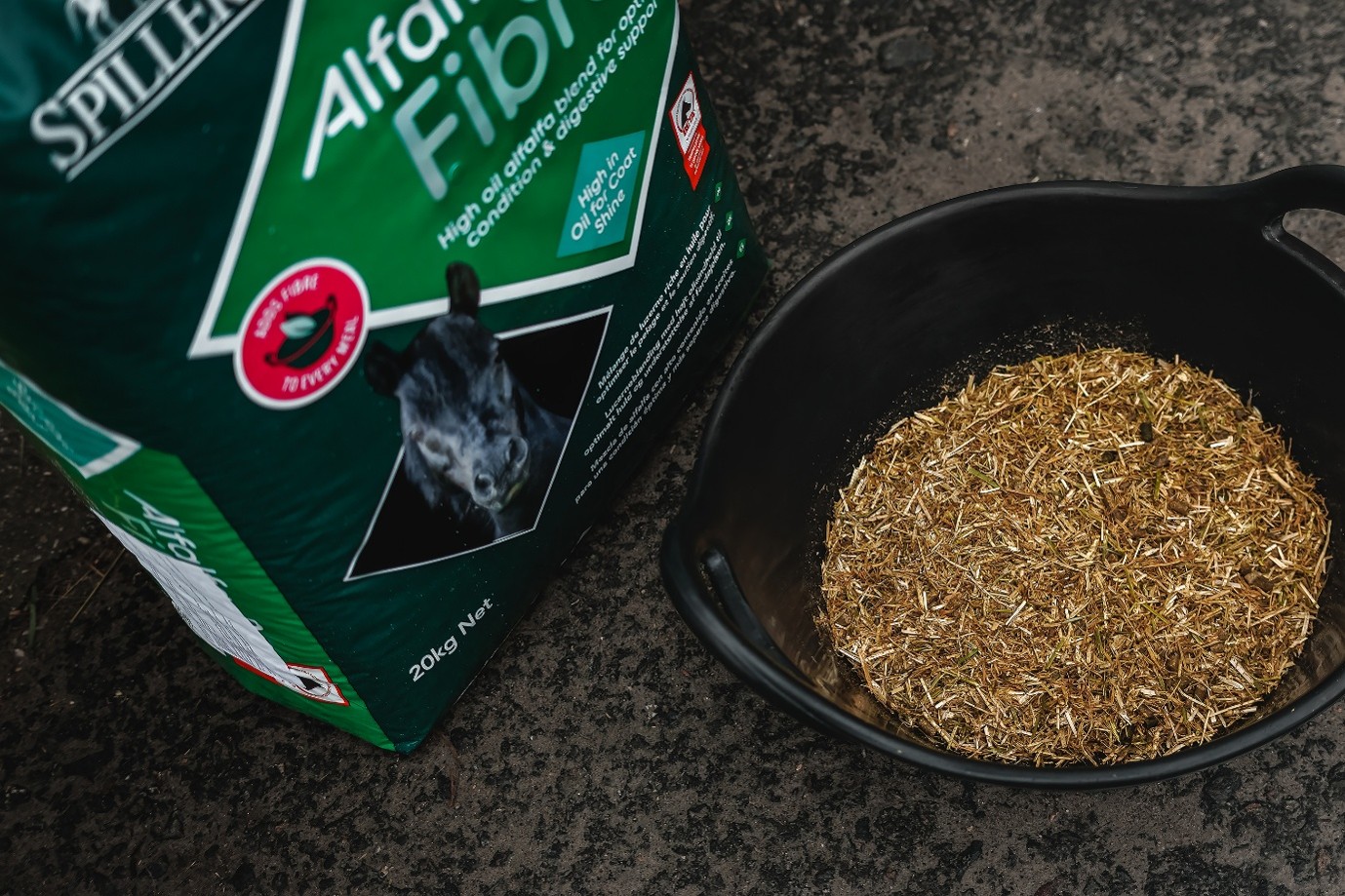
Product Spotlight: Seriously Super Fibre
SPILLERS Ulca Fibre recently had a glow up! But while the bag may have changed, we kept the same super high-fibre, high-oil, ultra-low starch recipe to support ultimate condition and digestive health. Here’s why horses and their owners love it:
| Feature | Nutritional Value & Benefit |
| Ultra-Low Starch & Sugar | Minimizes the risk of digestive upset making it suitable for horses more sensitive to cereals. Reduces the risk of excitability. |
| Highly Digestible Fibres | The tasty blend of fibres helps extend chewing times, increase saliva production, support a healthy gastric environment and promote great gut motility. Provides slow-release energy to keep your horse fuelled for longer. |
| High In Oil | Supplies safe, slow-release calories for condition, stamina, and a creates brilliant coat shine. |
| Quality Protein | Rich in essential amino acids to support topline, muscle function, training and recovery. |
| Suitable For | Performance horses, poor doers, laminitics requiring extra calories, those prone to gastric ulcers and those less suited to cereal based feeds. |
Summary: Why Alfalfa Should Be A Feed Room Staple
In summary, alfalfa is a highly nutritious and useful feed ingredient that provides significant benefits to many horses and ponies. If you are looking for a way to increase chewing time, support your horse's digestive health and maintain their condition while avoiding cereals, incorporating alfalfa into their daily ration is often a great choice to help them look and feel their absolute best.
References
^Vondran S., Venner M., Vervuert I. (2016) Effects of two alfalfa preparations with different particle sizes on the gastric mucosa in weanlings: alfalfa chaff vs. alfalfa pellets. BMC Veterinary Research 12:110; DOI 10.1186/ s12917-016-0733-5
~Vondran S., Venner M., Coenen M., Vervuert I. (2017) Effects of alfalfa chaff on the gastric mucosa in adult horses. Pferdeheilkunde 33, 66-71; DOI 10.21836/PEM20170109
$Luthersson N, Bolger C, Fores P, Barfoot C, Nelson S, & Harris P (2017) Effect of changing diet on gastric ulceration in exercising horses and ponies following cessation of omeprazole treatment. Colic symposium Kentucky Equine Veterinary Education Volume 29, Issue S8. Page 19
*P. Grimm, A. Martin, C. Poentis, D. Coulmier, S. Julliand (2026) Effects of alfalfa form on the gastric ecosystem and mucosa integrity in horses. Animal - Science proceedings Volume 17, Issue 2, April 2026, Pages 162-164