
Feeding oil to horses: Everything you need to know
At SPILLERS, we believe every horse is an individual with their own unique personality and needs, and making the right feeding decisions is a big part of daily care.
Whether you are looking to help a senior horse build condition, support a hard-working equine athlete, or simply add that extra touch of show-ring shine, oil could be a valuable addition to your horse’s bucket. But how much should you feed, and what do you need to look out for?
Let’s look at the science and practicalities together so you can feed with complete confidence.
Oil for Coat Shine
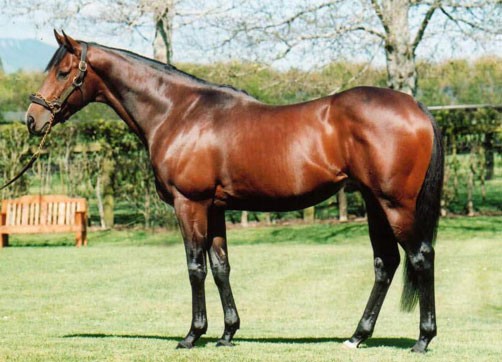
We often hear the phrase “shine from the inside out” and horses and ponies thriving from a fully balanced diet do glow that bit brighter. Not that you shouldn’t be keen to indulge in a good old-fashioned grooming session, it’s great bonding after all, but oil can be the ultimate icing on the cake for a that extra glossy look.
The best part? You don't need to feed large amounts to see a difference. Adding just 30ml to 50ml of oil per day is often all it takes to bring out a gorgeous sheen, and this small amount, it shouldn't affect the waistline of your good-doers either!
Oil for Weight Gain
When it comes to adding concentrated, safe calories for poor doers, oil can really pack a punch. In fact, just 300ml of oil provides approximately the same amount of digestible energy (DE) as 1kg of oats!
Oil is also completely starch and sugar free, which makes it a highly sympathetic, slow-release source of energy. Calories from oil may be ideal for:
- Excitable or stressy horses who are reactive to starch and need calories without the "fizz".
- Horses prone to clinical issues, such as laminitis, colic, tying-up* or gastric ulcers, who need a high calorie diet with strictly limited starch levels.
Practically 300ml of oil is a lot of possibly unpalatable liquid to add to their feed so it’s uncommon for owners to feed more than a ‘glug’. For the majority of owners, it makes more sense to find a palatable compound feed which has a high oil (and fibre) level and is already nutritionally balanced rather than deal with the complexities which come from adding large amounts of extra oil.
⚠️ *MFM: Horses with Myofibrillar Myopathy (MFM) may not be suited to a high oil diet. We always recommend checking with your vet or a qualified nutritionist before introducing a high oil diet.
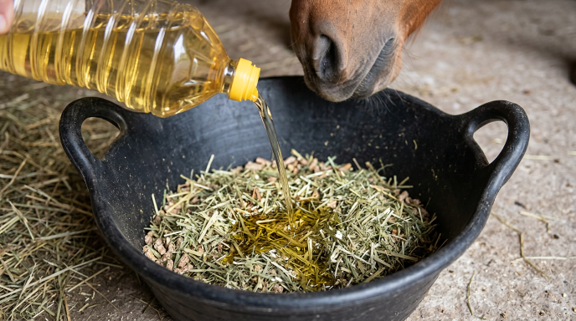
Table of Contents
Bottle vs. Bucket: Which is the Best Option?
Should you add oil straight from a bottle to their existing diet, or buy a ready-mixed high-oil feed? Both have their benefits, and the best choice depends on what suits your routine and your horse's individual preferences.
| Feature | Oil from a Bottle | High-Oil Feeds |
| Palatability | Unpalatable smell and taste can stop horses eating their main feed. Fussy feeders may turn their noses up at even small quantities. | Highly palatable, as the oil is blended into more appetising ingredients. |
| Convenience | Great for ‘adding a splash’ (for coat-shine) to your existing feed. | Saves time, reduces mess, and doesn't require measuring out liquids every day. |
| Nutritional Balance | Carefully calculated Vitamin E is required to keep the diet balanced when adding larger amounts of oil. | Potentially already fully balanced with the correct levels of Vitamin E, minerals, and quality protein. |
| Cost | A cheap and simple option for minor additions. | Very cost-effective when compared to buying separate feeds, oil, and vitamin supplements. |
How Much Oil Can You Feed?
If you are using oil as a significant source of calories for weight gain or endurance, you can feed a surprising amount - provided it is done carefully!
As a general rule of thumb:
- You can feed up to 100ml of oil per 100kg of bodyweight daily.
- This equates to around 500ml per day for a typical 500kg horse.
Always introduce oil slowly. We recommend starting with just a small splash and increasing the amount by no more than 100ml extra per week – so 100ml per day the first week, 200ml per day the second week and so on. This allows your horse’s delicate digestive system and gut microbes plenty of time to adapt.
The Vitamin E Connection
When your horse digests fat, their body produces what’s known as free radicals. Antioxidants help protect cells so it’s important to balance a high fat diet with additional vitamin E.
- For every 100ml of oil added to the diet, your horse needs an extra 100iu of Vitamin E.
- This rule applies whether the oil is poured straight from a bottle or is already formulated into a commercial feed (if the feed's overall oil content is above 4%).
Without this balance, your horse won't have the antioxidant protection they need to process this level of fat safely. Many good compound feeds high in fat will have already accounted for this, but not all. Always check your feed labels or chat with a nutrition advisor before ramping up the oil.
Did You Know?
- Energy is equal: All common vegetable oils (like soya, rapeseed, linseed, or corn oil) contain virtually identical energy values - around 3.5MJ DE per 100ml. You don't need to buy specific oils to get the calorie benefit!
- Patience pays off: It can take up to 12 weeks for a horse’s metabolic system to fully adapt to a very high fat diet, but research shows it’s an efficient energy source which they digest well. If it seems like the right option for your horse, introduce it gradually and you'll see the results over time.
Your Safe Feeding Checklist
To make sure your horse gets the very best out of their diet, keep this handy checklist on your feed room door:
- Introduce gradually: Aim for an increase of no more than 100ml each week.
- Store with care: Oil can turn rancid quickly, especially in the heat of summer. Keep containers tightly sealed and out of direct sunlight.
- Balance the Vitamin E: Ensure your horse has enough antioxidant support.
- Check for competition safety: If you compete, make sure any oil or feed you use is BETA® NOPS approved.
- When in doubt, ask: Reach out to a friendly expert to double-check your feeding plan.
Need a Helping Hand?
Whether your goal is safe weight gain or a beautiful, head-turning shine, we're here to help you get it right.
Have a question about your horse’s diet? We’d love to hear your horse’s story. Give our friendly SPILLERS Care-Line a call on 01908 226626 226626 or fill in our online consultation form for tailored, down-to-earth advice.

Author
Written by: Vanessa Allen
Equine Nutrition Advisor, SPILLERS
Vanessa Allen | LinkedIn
Author summary:
Vanessa has been part of the SPILLERS nutrition team for over a decade and writes evidence-based, practical feeding advice to help owners support their horses’ health, wellbeing and long-term condition.