
Why are there so many horse feed balancers to choose from and how do I know which one’s right for my horse?
It can be tricky enough working out whether your horse needs a balancer at all, but with so many different balancers on the market how on earth do you pick which one’s right for your horse?
In this blog I’ll explain why your horse needs a balancer, bust a few myths and explore the different options available to help you sift through the confusion!
What is a horse feed balancer?
Feed balancers are (generally) small nutrient dense pellets designed to ensure your horse or pony receives all the essential vitamins and minerals and quality protein (amino acids) they need each day in a small amount of feed.
Balancers:
- contribute minimal calories, starch, and sugar to the diet.
- are suitable for good doers, fizzy or anxious horses.
- may include added functional ingredients like probiotics for digestive support or glucosamine for joint health.
- tend to include biotin, proven to support hoof health.
- can be fed alone.
- can be used as a part of the diet alongside other feeds.
The ‘noise’ around balancers can be confusing – according to some they make horses too hot, are meant for condition or are very expensive, but these three statements aren’t entirely true.
Yes, the price of a bag of balancer seems expensive compared to a bag of cubes, mash etc but the feeding rate is much lower to supply a balanced diet so the bag last much longer. Balancers usually last at least 30 days making them a cost-effective way of ensuring a balanced diet.
The term condition means different things to different people, making this confusing too! In terms of nutrition, conditioning feeds simply refer to feeds for weight (fat) gain, so are high in calories. But when we say my horse is ‘in top condition’, we refer to them looking fit, strong and healthy. So yes, balancers can help with topline and wellbeing, but they provide very few calories due to the low feeding rate so rarely help horses ‘gain weight’.
Finally, balancers shouldn’t make horses more excitable. A well-nourished horse should have a happy disposition and flourish but again, the low feeding rate means you’re feeding such a small amount it provides very limited amounts of energy. The recipes of most balancers are not designed to be heating either!
Why and when does my horse need a balancer?
Balancers are often ideal for horses who:
- maintain weight easily on forage (and grazing) alone
- are good doers
- native types
- are only being fed a ‘token’ amount of hard feed
- aren’t currently being fed any feed
- are being fed straight feeds e.g. simply getting a scoop of chaff, grass nuts or bit of sugar beet etc
- are being fed less than the recommended amount of a compound feed - usually the feeding rate is 3kgs for a horse (less for a pony)
- don’t need the level of calories which a full ration of ‘hard feed’ provides
Basically, balancers make up for nutritional gaps in the diets of horses and ponies on small amounts of hard feed.
Quick links
Balancers vs vitamin and mineral supplements
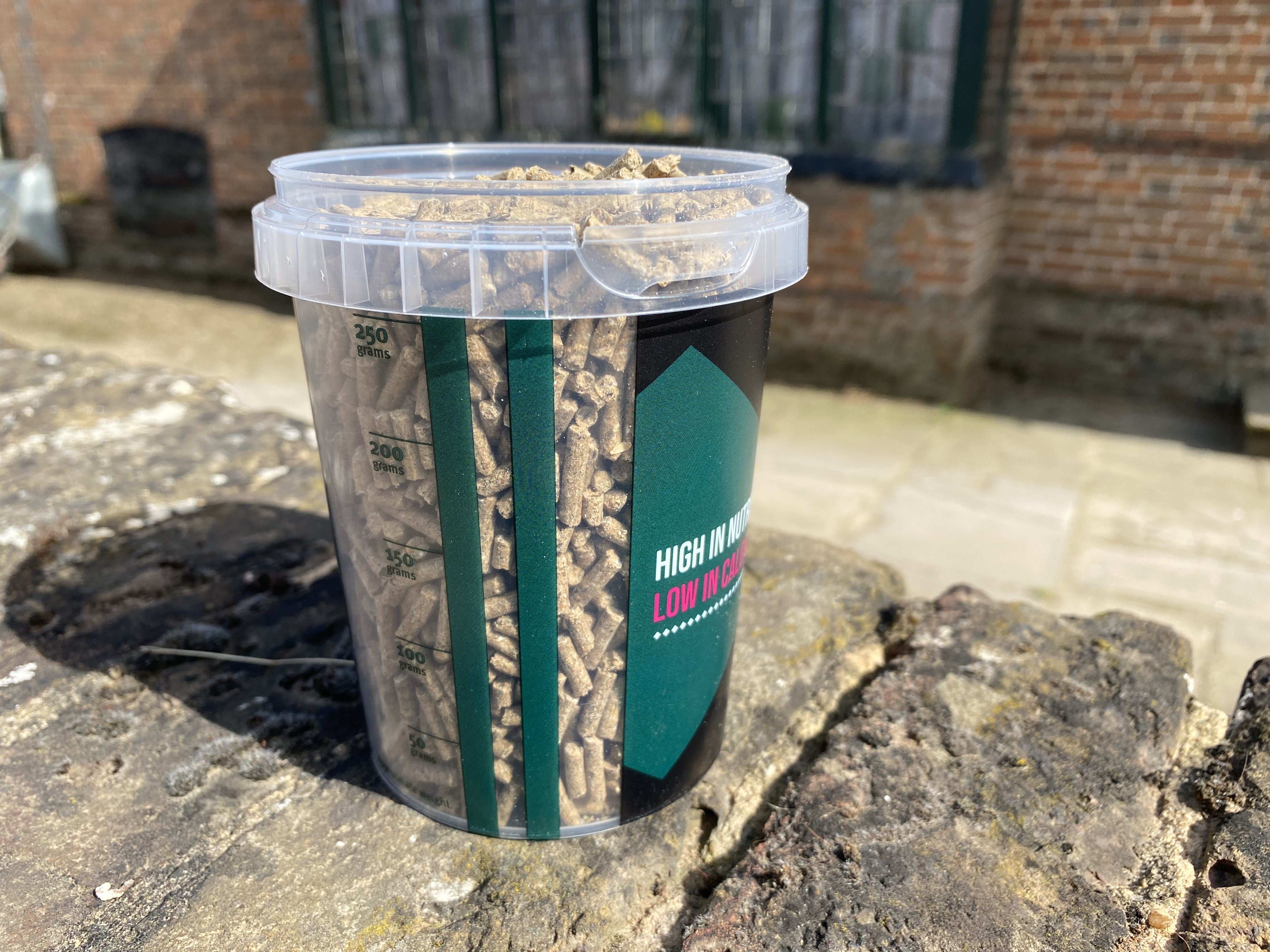
Pelleted balancers can be fed alone, whereas powdered vitamin & mineral supplements need to be mixed into another feed which may be less convenient. If you choose the powdered supplement, then be careful to make sure the feed(s) you’re mixing it with is appropriate for your horse too. Balancers tend to supply a much higher level of amino acids, often making them more appropriate for working horses and those on calorie restricted diets or poor-quality grazing than powdered alternatives.
How much balancer does my horse need?
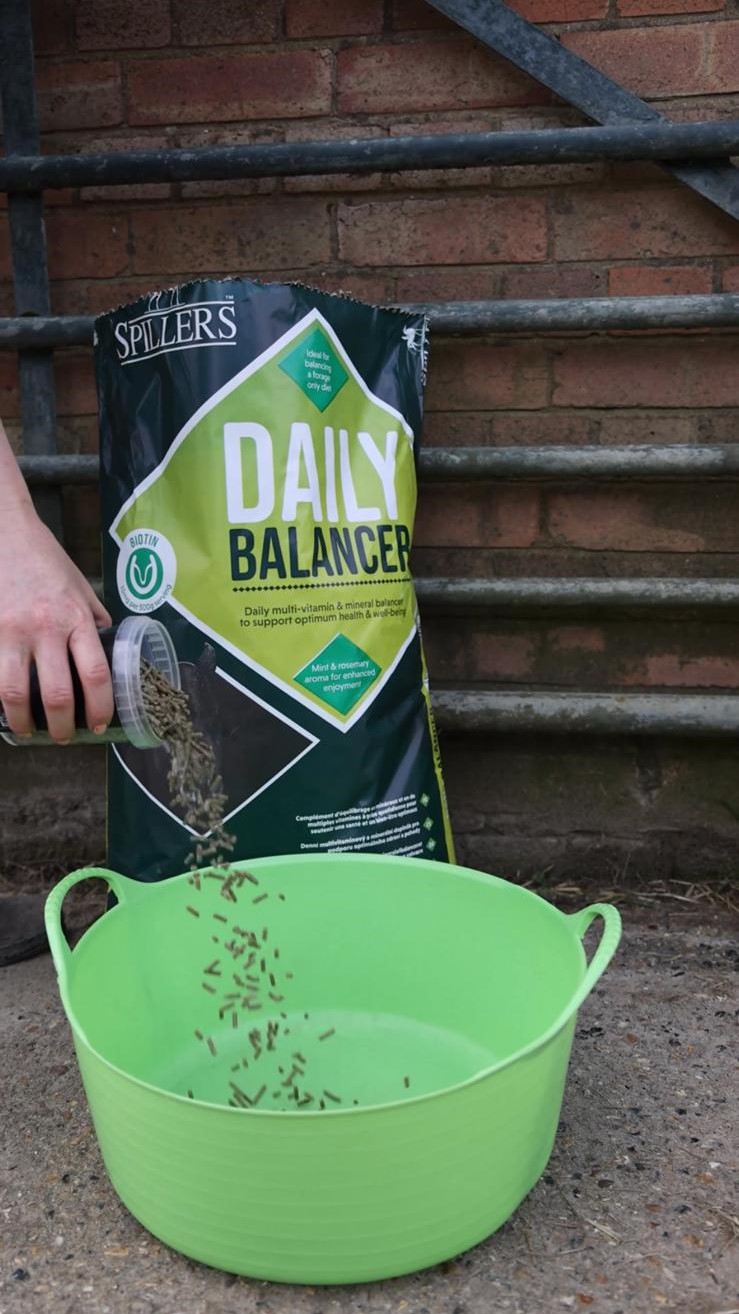
For many balancers just 100g per day for every 100kgs of bodyweight provides a nutritionally balanced diet. This is just 300g for a 300kg pony or 500g for a 500kg horse – a negligible amount of feed for such a large animal and makes up just a small portion of their overall daily intake. Balancer feeding rates will vary, particularly stud balancers, so always check instructions on the bag.
Different balancers for different horses:
- Everyday balancers
May be regarded as an entry level balancer, ideal for those with lower nutrient requirements. E.g. those living out on pasture in light or no work. They should include the essential vitamins and minerals which are typically low in pasture, hay and haylage.
- ‘Lite’ balancers
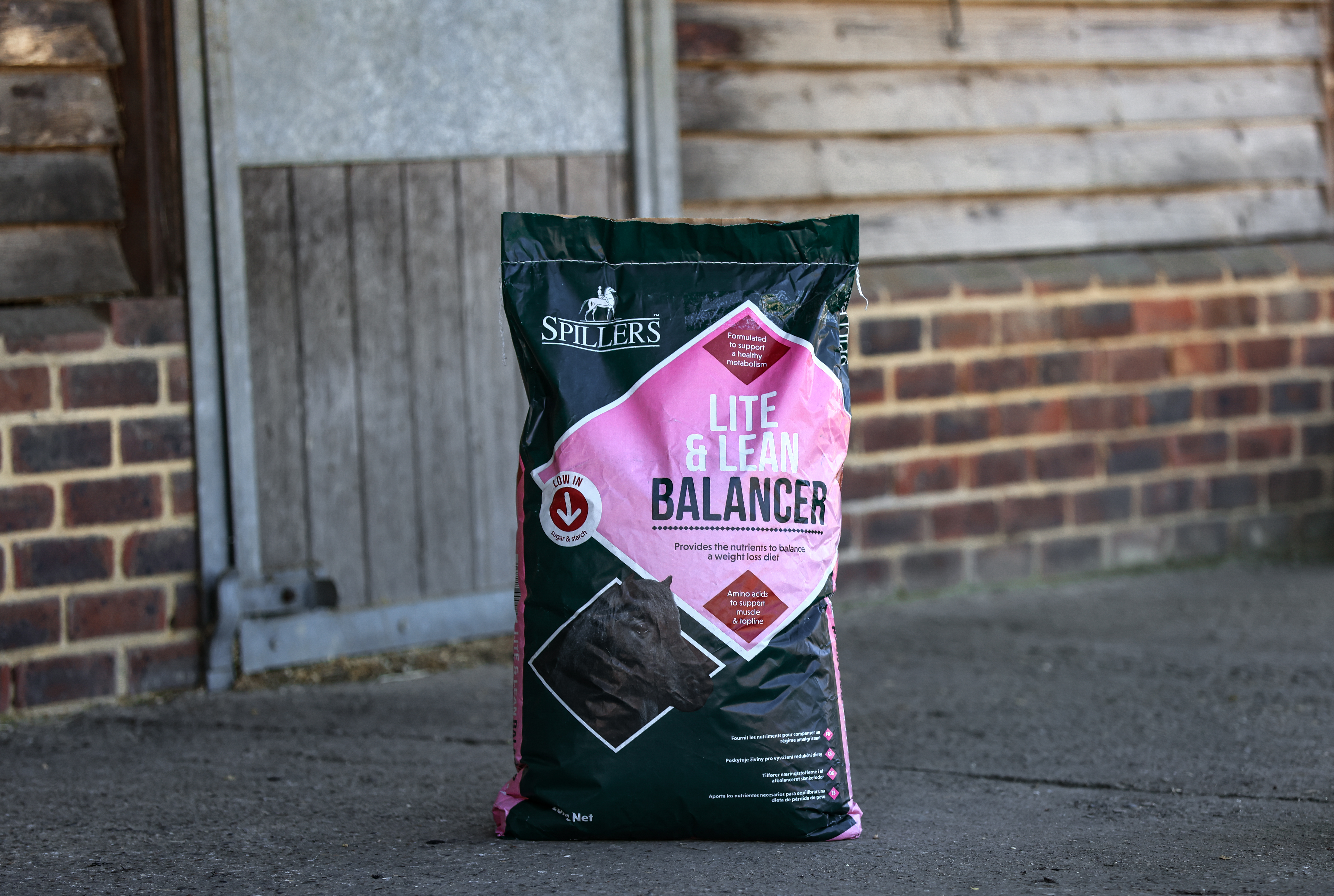
SPILLERS Lite & Lean Balancer is specifically formulated to balance the diet of horses and ponies on a weight management diet, perhaps composing of restricted grazing/ soaked hay/ wearing a grazing muzzle or similar. This type of management increases the likelihood of the diet lacking certain nutrients, so these are specifically added at a higher level to make up for the shortfall. ‘Lite’ balancers may provide marginally less calories than other balancers but due to the low feeding rate of most balancers this is unlikely to be significant compared to the overall intake of calories from the total diet.
- Competition balancers
These should include a higher level of nutrients more appropriate to the harder working horse or pony. They are likely to:
- be rich in amino acids to support muscle development, function and recovery
- contain higher levels of antioxidants for immune support
- include pre and probiotics to help maintain good digestive health
- be higher in B vitamins to support energy metabolism
- support the respiratory system
Usually with a similar low energy (calorie) level to other balancers, they provide targeted nutrient support for hard work rather than extra ‘fuel’ for performance.
- Senior balancers
Formulated to meet the higher demands of the ageing horse or pony, these should have elevated levels of immune, respiratory, and digestive support. In the case of SPILLERS offering - Supple & Senior Balancer – we also include joint support, with added glucosamine, MSM & omega 3, which may be particularly appropriate for veterans.
- ‘Functional’ balancers
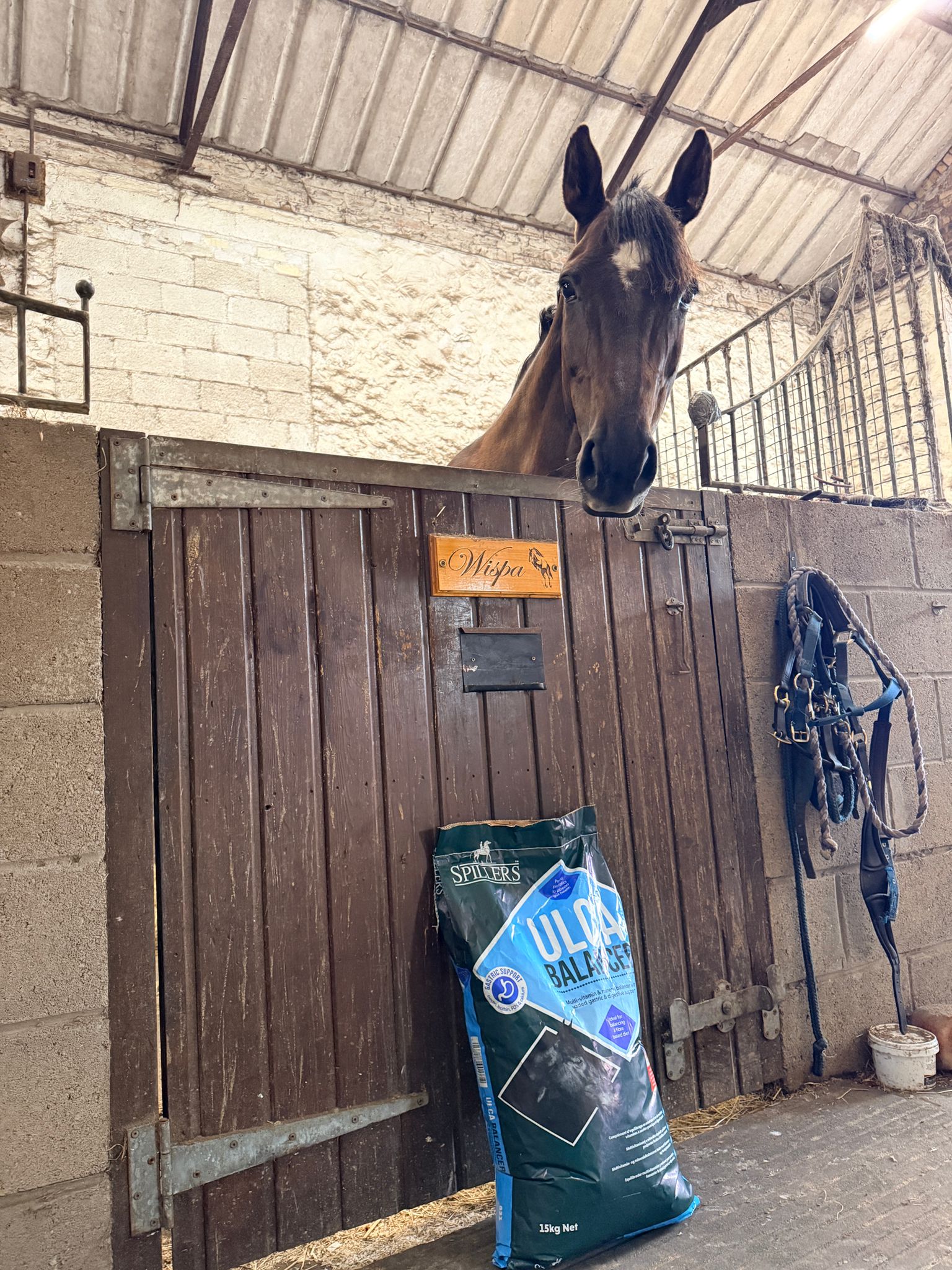
There are some balancers which may have a more specific target horse or pony in mind. In the SPILLERS range for example, we offer a an Ulca Balancer which contains added ingredients to support a healthy stomach lining, maintain a healthy pH in the stomach as well as digestive support in the form of pro and prebiotics. Functional balancers should still have a low feeding rate and provide a full complement of vitamins and minerals to ensure a nutritionally balanced diet.
- Stud balancers
Typically stud balancers are ideal for pregnant and lactating mares, foals, youngstock up to the age of 2 years and stallions. The nutrient composition is noticeably different to other balancers and should have elevated quality protein levels to support growth but without the higher level of calories provided by stud cubes and mixes. You should find the amount you need to feed changes depending on the stage of gestation, lactation, and age of the growing foal.
Where can I find out more about SPILLERS Balancers?
We have a heap of more specific information on the SPILLERS range of six balancers (click here), with details of the nutrients and ingredients included for them all. We also have a quiz you can take to help you decide which one might be most suitable for your horse or pony. Simply answer a few questions HERE to find out.
Don’t forget – It’s all about the nutrients!
Good nutrition for your horse or pony starts with ensuring they’re getting a nutritionally balanced diet. Help your horse thrive - from a gleaming coat to strong hooves, and calm behaviour whether they’re at resting at home or performing at their best on a faraway showground. Balancers provide an ideal solution for supplying nutrients without supplying unwanted calories for good doers who don’t need larger meals. We hope this blog has helped you become more informed but if you’re confused by all the choices or would like some reassurance, then SPILLERS’ friendly nutrition advisers are on hand to help.

Author
Written by: Vanessa Allen
Equine Nutrition Advisor, SPILLERS
Vanessa Allen | LinkedIn
Author summary:
Vanessa has been part of the SPILLERS nutrition team for over a decade and writes evidence-based, practical feeding advice to help owners support their horses’ health, wellbeing and long-term condition.