

Module 5: Balancers
What is a balancer?
Balancers are formulated completely differently to cubes and mixes. They provide more concentrated nutrition, so have a much lower feeding rate. The low feeding rate means minimal calories, starch and sugar are added to the daily diet.
Balancers are generally recommended to horses and ponies who maintain a healthy weight on grass and forage alone. Although grass and forage often meet or exceed calorie requirements for many horses or ponies, unfortunately, they do not guarantee vitamins and mineral requirements are met.
Mind the Gap
Nutrients often lacking in forage only diets include copper, zinc, selenium, vitamin E and lysine and well formulated balancers should supply these key nutrients.
Although owners may not see immediate ‘results’ from feeding a balancer, ultimately balanced diets support general wellbeing & optimum health. Long term, a lack of nutrients may contribute to a dull coat, increased risk of infection, lack of energy, brittle hooves etc.
Common balancer myths

“Balancers are heating”

“Balancers are expensive”
“Balancers are for condition”
“Balancers contain molasses and are not suitable for laminitics”

“I’m better off feeding a multi-vitamin as balancers are too high in calories for my very good doer”
Our Range
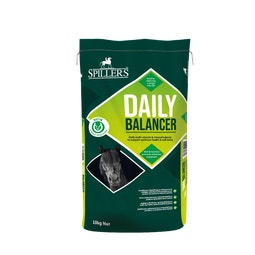
Daily Balancer
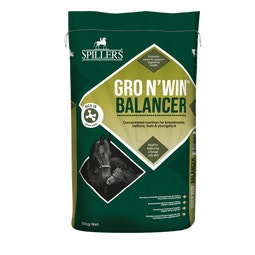
Gro N' Win™ Balancer
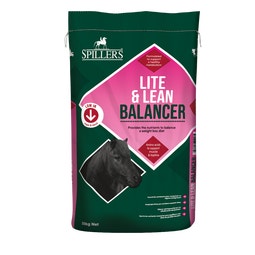
Lite & Lean Balancer
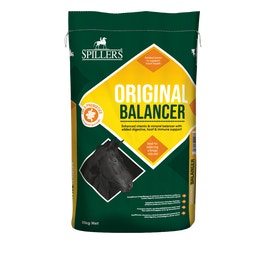
Original Balancer
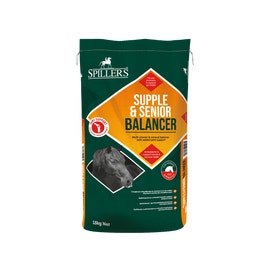
Supple & Senior Balancer
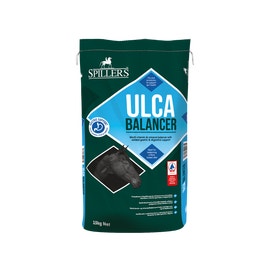
Ulca Balancer
Remember
All changes in diet should be made gradually.
The recommended amount of feed should be divided into meals of no more than 2kg for horses, less for ponies and foals.
Advise customers to contact our friendly nutrition team for specific advice, especially for those prone to or suffering from nutrition related clinical conditions such as laminitis, PPID (Cushing’s syndrome) tying up, colic and gastric ulcers.
Congratulations
You have now completed Module 5: Balancers and should have a basic understanding of when a low energy feed should be recommended.
You can now move onto Module 5: Conditioning Feeds.