

Module 5: Conditioning Feeds Training
Poor Doers
The term ‘poor doer’ is often used to describe horses and ponies that lose weight easily and struggle to maintain it. Although certain breeds such as Thoroughbreds are renowned for being poor doers, every horse or pony is an individual – some ponies and natives can struggle to maintain weight too.
What does ‘condition’ really mean?
The term ‘condition’ can mean different things to different people, so it’s important to make the distinction between muscle and fat. To some for example, ‘condition’ may encompass topline as well as skin, coat and hoof health. However, when it comes to diet, ‘condition’ means fat coverage and ‘conditioning’ feeds are designed to promote weight gain or maintenance in those with high energy (calorie) requirements.
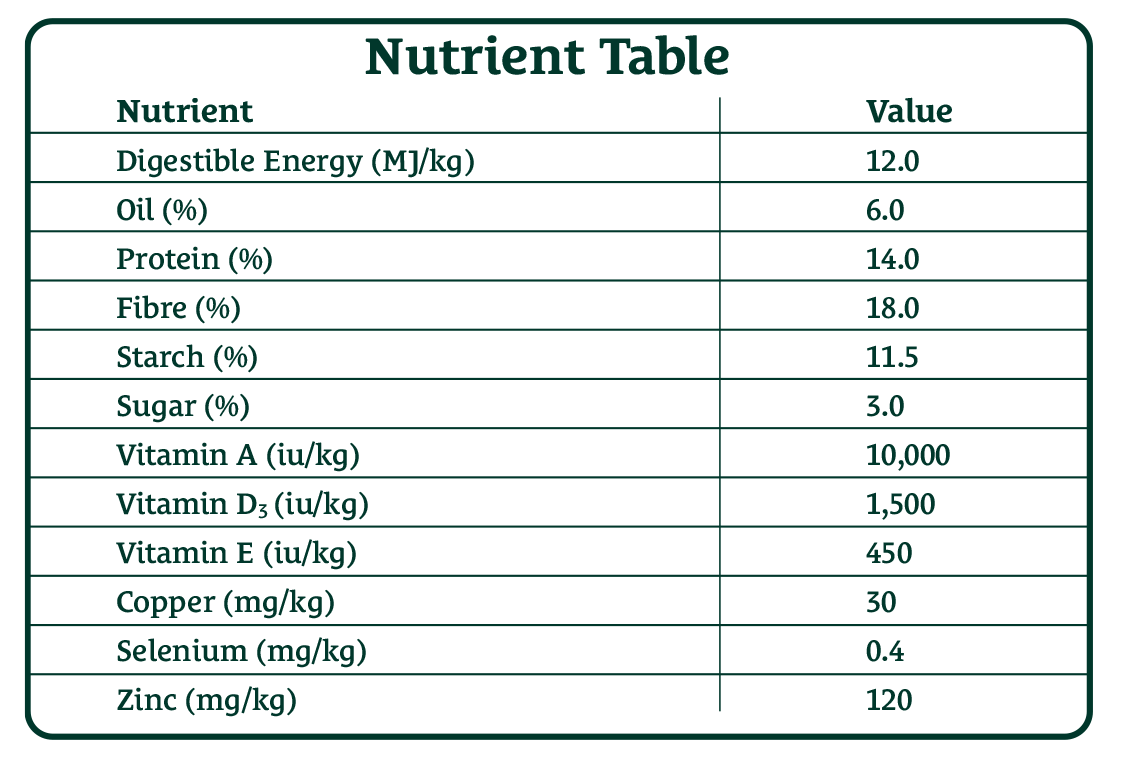
Energy vs. Calories
Calories are simply a measurement of energy; in human nutrition, energy from food is measured in kilojoules or kilocalories, often referred to as ‘calories’. In the UK, energy in horse feed is expressed in megajoules (MJ) of digestible energy (DE) although nutritionist often use the word ‘calories’ when talking to horse owners as it’s a term we all tend to associate with bodyweight.




Condition without fizz
If they are concerned about excitability, advise customers to:
Avoid mixes
Choose fibre-based feeds that are low in starch and sugar. Feeds don’t need to be molasses free, but we do have molasses free options available!
Did you know?
Diet is just one of many factors that can affect behaviour
Cereal starch is the most common cause of feed related excitability
Tips for feeding underweight horses
Advise customers to:
Feed as much forage as their horse/ pony will eat while being mindful of excess waste.
Where possible, monitor how much forage is eaten, not just how much is provided.
Check they are feeding the recommended amount of feed – sometimes a simple increase may be all that is needed.
Consider fibre-based feeds containing low/ restricted amounts of starch to support digestive health.
Feed small meals – no more than 2kg for horses, less for ponies.
Check whether an underlying dental problem, clinical issue or worm burden may be causing or contributing to weight loss, especially if weight loss is sudden, severe and/ or there have been no obvious changes in diet
Our Range
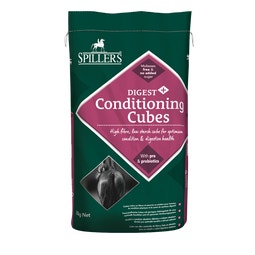
Digest+ Conditioning Cubes
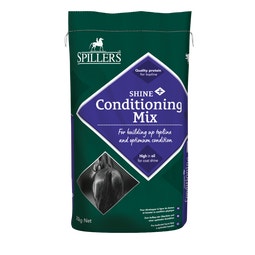
Shine+ Conditioning Mix
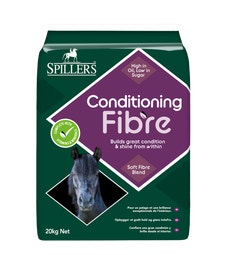
Conditioning Fibre
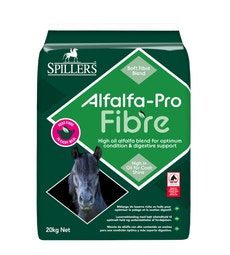
Alfalfa-Pro Fibre
Remember
All changes in diet should be made gradually.
The recommended amount of feed should be divided into meals of no more than 2kg for horses, less for ponies and foals.
Advise customers to contact our friendly nutrition team for specific advice, especially for those prone to or suffering from nutrition related clinical conditions such as laminitis, PPID (Cushing’s syndrome) tying up, colic and gastric ulcers.
Congratulations
You have now completed Module 5: Conditioning Feeds and should have a basic understanding of how build condition safely.
You can now move on to the next topic in Module 5: Fibres