Risks Of Obesity

What is obesity?
Quite simply, horses gain weight when they consume more energy (calories) than they burn, with the excess being laid down as fat. Obesity is described as the accumulation of fat to the point at which it has a negative effect on health and welfare.
Horses with a body condition score (BCS) of 7 out of 9 and above are considered obese, in very obese horses, fat may account for more than 30% of bodyweight!
Not all fat is visible to the naked eye – like people, horses can be ‘fat on the inside’ too, with a certain amount of excess fat accumulating around internal organs. Obesity may be generalized or regional i.e., the horse/ pony may have large fatty deposits in areas such as the crest or tailhead but be in good (or even lean) body condition elsewhere.
1. Laminitis
Laminitis is perhaps one of more well-known health risks associated with laminitis. While obesity rates far exceed the incidence of laminitis, excess weight gain is a risk that shouldn’t be taken lightly. Laminitis can be described simply as damage to, or failure of, the laminae (the tissues which attach the pedal bone to the hoof wall) causing varying degrees of pain and lameness. For one thing, overweight horses and ponies who develop laminitis may be slower to recover and have a poorer prognosis. Although obesity is not the only risk factor for laminitis, it’s one you can influence, unlike genetics!
Several studies have looked at the incidence of laminitis and results vary depending on the population of horses and ponies included. While some have reported laminitis to affect around 5% of horses and ponies, results of one study suggest the risk may be as high as 10% in some groups. With potentially 1 in 10 horses and ponies at risk of laminitis head to our special Laminitis guide HERE for further information on managing those at risk.
2. Insulin dysregulation (ID)
Obesity increases the risk of insulin dysregulation (ID), a term which includes one or more of the following:
Hyperinsulinemia or ‘high basal insulin’ – a high level of insulin in the blood
An exaggerated insulin response to consuming starch and/ or sugar
Insulin resistance – failure of cells to respond to insulin
Insulin dysregulation is a known-risk factor for laminitis. In fact, hyperinsulinemia associated laminitis or ‘HAL’ is now thought to be the most common form of laminitis. That said, it’s important to note that not all horses with ID are obese or even overweight; it’s also not possible to predict the presence of ID based on BCS alone.
3. Equine Metabolic Syndrome (EMS)
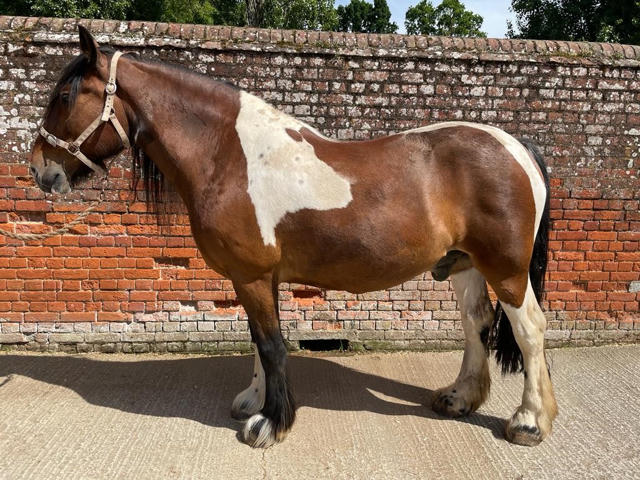
The term Equine Metabolic Syndrome or ‘EMS’ was first used in the early 2000’s and to begin with was the subject of some controversy. The definition has evolved over time and one of the most important changes is the recent acknowledgment that not all horses and ponies with EMS are overweight nor have regional fat pads.
EMS is now described as a collection of risk factors for HAL. Insulin dysregulation is the single consistent feature meaning horses/ ponies must be ID to be diagnosed with EMS. Other risk factors include obesity and/ or regional fat pads, weight loss resistance and other metabolic alterations including an imbalance of certain fats in the blood and alterations in certain hormones/ proteins produced by fat cells, including adiponectin. The combination and severity of risk factors present varies between individuals.
4. Inflamm-aging
Allowing senior horses to gain excess weight may exacerbate ‘inflamm-aging’. This is a term used to describe chronic low-grade inflammation in association with ageing. In one study, a reduction in fat and bodyweight in senior horses reduced levels of inflammatory cytokine (molecules that promote inflammation) in the blood while increased weight and fat had the opposite effect (Adams et al, 2008).
5. Heat intolerance
Excess fat can act as an insulator and increase risk of overheating. On a day-to-day level your horse may simply feel uncomfortable, be more lethargic, fatigue more quickly and be less willing to work in the first place. Overweight horses may sweat more heavily, which may cause skin problems for more sensitive types. For heavy sweaters you also need to ensure you replace the electrolytes (mineral salts - mainly sodium, potassium & chloride) lost in sweat in their diet. Electrolytes are vital for the body’s normal functions, from maintaining regular heartbeat through to performance. You can read more in our salt blog here.
6. Increased colic risk
Obesity may increase the risk of pedunculated lipomas – benign fatty masses which hang on ‘stalks’ from the connective tissue attached to intestine. When they wrap around the intestine, pedunculated lipomas may cause a blockage and/ or strangulation which cuts off the blood supply. It’s not just fat pads we can see from the outside we need to worry about!
7. Respiratory Compromise
The amount of fat that can accumulate around the lungs of overweight horses and ponies can be alarming and may have implications for respiratory function, health, and athletic performance. Those of you with overweight horses may have noticed they find their work harder and huff and puff when asked to work at trot or canter and fatigue quickly. If the lungs can’t fully function, it can affect the horse’s comfort and ability to work. Obesity has been shown to increase the risk of equine asthma and may also affect the way the body responds to allergens. Some overweight horses and ponies may spend more time stabled, perhaps to be kept off the grass or such, so may be exposed to higher levels of dust and allergens. By keeping your horse at a healthy weight, you may reduce the need for supplements designed to support respiratory health.
8. Increased joint strain and possibly an increased risk of orthopaedic disease
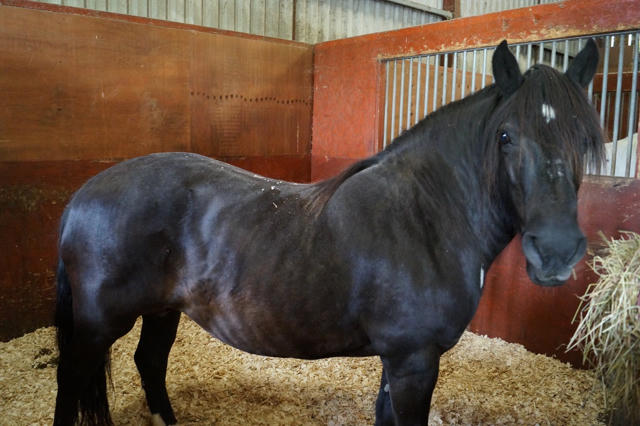
Excess weight gain will increase the load placed on joints and soft tissues - research into the links between orthopaedic disease and obesity is ongoing.
9. Prolonged Recovery
Poorer prognosis and recovery from laminitis, as well as injury, increases in those carrying excess weight.
10. Poor performance
Whilst technically not a health risk, reduced performance is a common occurrence in horses carrying extra weight as it can significantly affect energy levels as well as their ability to excel. The SPILLERS team receive a high number of queries asking for dietary help from owners struggling with their horse’s lack of energy and in many cases these horses are naturally good doers.
We always focus on encouraging horse owners to get their horses down to a healthier weight and steadily build fitness as a priority. If you’ve ever carried a heavy rucksack on your back, you’ll know how much harder it is to move at your normal speed. This is exactly the same for horses who are carrying an excess load. While poor diets can negatively impact a horse’s performance, good diets can help improve performance but even the most perfect feed regime will not make up for a lack of fitness, inappropriate training and obesity. Hop over to our energy pages here for more information and tips if you’re struggling with a lack of energy in your good doer.
11. Reduced fertility and breeding considerations
In mares, obesity can lead to altered oestrous cycles and may be associated with dermatitis and oedema (fluid buildup that leads to swelling) of the genitals and mammary glands. Obesity may also lead to reduced fertility in both mares and stallions. However, did you know that obesity in the mare can also affect the foal?
Foals born to obese mares may show an increase in low grade inflammation, reduced insulin sensitivity and be at an increased risk of developing osteochondrosis dissecans (OCD) as yearlings.
Excess mammary fat and a subsequent reduction in milk production may lead to reduced growth rates in foals and/ or increases in compensatory growth post weaning.
Oversupplying calories to youngstock increases the risk of excess weight gain, unwanted growth spurts and again, developmental orthopaedic disease (DOD) in foals and youngstock.