Safe feed ingredients for horses: Debunking common myths
Fearmongering and confusion
With so much conflicting information and advice out there, choosing a feed can seem harder than ever.
- “Don’t feed alfalfa - your horse will go crazy.”
- “Don’t feed anything with molasses - it’s way too high in sugar.”
- “Don’t give a laminitic a balancer - it’s too high in calories.”
- “Don’t feed XYZ if your horse has ulcers.” “No, DO feed XYZ if your horse has ulcers!”
Statements like these cause us owners to wonder what on earth we should feed our horses. Many of the feeds which claim to be “suitable for laminitics” include ingredients we’re sometimes concerned about. Why would leading feed companies be making such poor recipes? In short, they’re not! Most of the ingredients used today have been successfully included in horse feeds for decades for their great benefits.
The problem with the advice above and many similar dogmatic statements is that they either miss the details, are based on individual experiences or are simply misinformation.
Remember - evaluate ALL the information and apply logic – don’t let fearmongering dictate your horse’s nutrition.
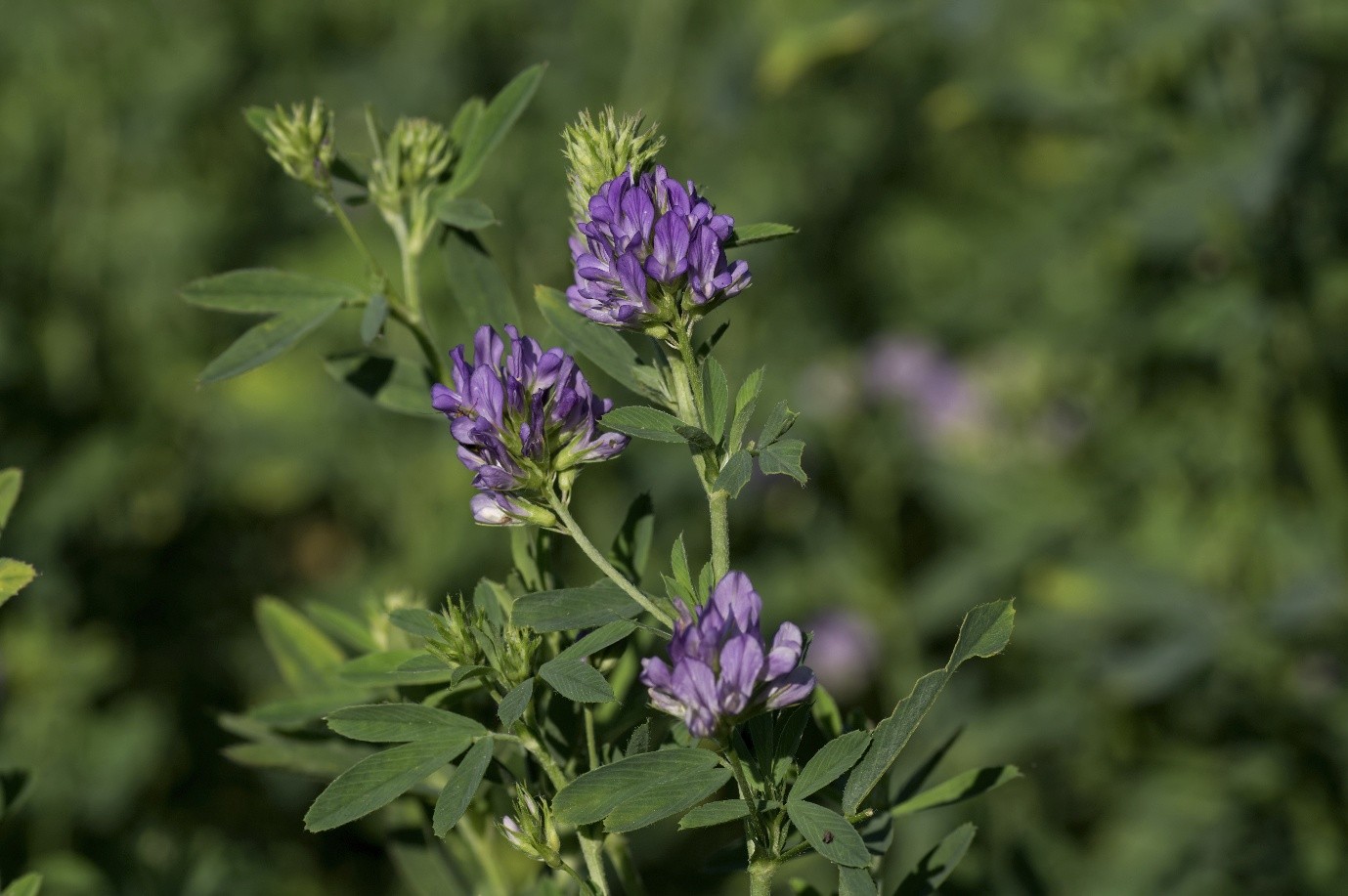
Is alfalfa ok to feed my horse?
There is a heap of confusion surrounding alfalfa, and a lot of people unfairly demonise alfalfa when in reality it’s a superb, highly nutritious feed for horses.
A few years back there was a lot of misinterpretation and scaremongering following a couple of research studies. In both studies the horses were fed large amounts of alfalfa – not comparable to real life UK feeding practices – and important details in the findings were overlooked by some. Having sifted through these details carefully, many nutritionists noted the nuances and continued to sing it’s benefits. Alfalfa is also widely used as an ingredient in BETA® EGUS (Equine Gastric Ulcer Syndrome) approved feeds. Recent research (Grimm et al 2026) backs up the fact chopped alfalfa has natural stomach acid buffering capability. When chopped alfalfa was compared to pelleted and refined alfalfa all 3 were found to have positive effects on the gastric system with chopped alfalfa likely to present the greatest support for a healthy gastric environment.
Alfalfa is high in fibre, contains quality protein and is low in both sugar and starch making it a sympathetic calorie source for those prone to laminitis or over excitability. This non-heating fibre rich feed is an excellent choice for feed companies to include in their ingredients list.
Do some horses do better with an alfalfa free diet? Sure, every horse is individual. But for the vast majority it’s proven over decades to help support healthy digestion and provide alternative calories and quality protein sources to cereals for those needing more than forage or grazing can provide.
Read more: Alfalfa chaff and gastric ulcers
Will molasses make my horse excitable? Is molasses safe to feed a laminitic?
Rest assured, in small amounts molasses is absolutely fine to feed a laminitic (or a horse prone to gastric ulcers). Non-structural carbohydrate (NSC or ‘sugar and starch’) intake is considered a primary nutritional driver for laminitis risk. You need to consider the total amount of sugar and starch in the horse’s diet from everything they eat rather than worry about specific ingredients.
Plenty of well formulated feeds on the market contain molasses to make the feed more palatable - after all there’s no point making a feed if horses and ponies don’t want to eat it nor enjoy it! – but the overall sugar level in the feed often remains low and has no negative effect on your horse’s wellbeing or behaviour.
Remember horses have a naturally sweet tooth from primarily eating grasses! Most mainstream feeds including molasses contain approximately 4-6% sugar and only a portion of this comes from molasses. This is often lower than sugar levels typically found in forage or grass which may contain up to 15% sugar and makes up a far larger portion of the diet. If you’re concerned or confused about sugar, contact our experienced Care-Line team who can help answer your specific questions.
Read more: The truth about molasses
What feeds should I avoid for gastric ulcers?
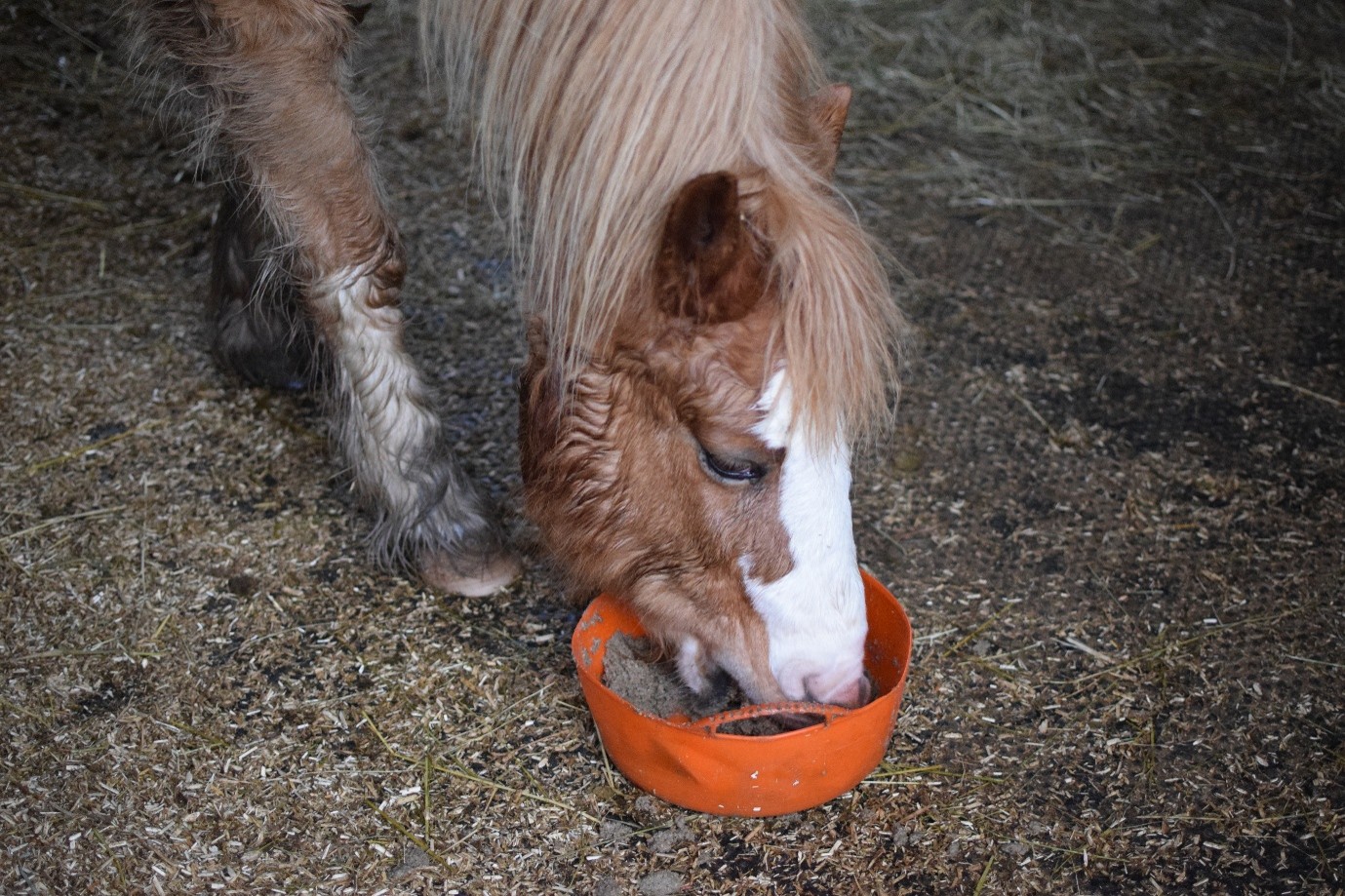
When feeding a horse or pony prone to Equine Gastric Ulcers Syndrome (EGUS) it’s important to assess their whole diet alongside management, routine and other potential ‘stress factors’.
- Feed them as much long stem fibre as possible – based on their body condition. This encourages chewing and increases saliva production, your horse’s natural stomach acid buffer.
- Straw does not to increase the risk of gastric ulcers, when fed as part of a suitable diet. It could be a useful low-calorie choice for extending eating time (and chewing) for good doers.
- Molasses is sometimes mentioned as one to avoid for gastric ulcers although there is no scientifically proven evidence to suggest it’s of any concern and many feeds suitable for horses pone to gastric ulcers include molasses.
- Avoiding cereals, or cereal based compound feeds high in starch helps maintain a happier environment in the stomach as well as the rest of the digestive system.
Ensure your horse has a nutritionally balanced diet to help them thrive and if they need more calories than forage and a balancer alone can provide opt for compound feeds high in fibre and oil but low in sugar and starch.
Read more: Equine Gastric Ulcer Syndrome – SPILLERS need to know guide
Consider the total amounts fed!
When it comes to sugar or calories or protein – or any nutrient/ ingredient - always look at the total amount of the food eaten per day and per meal rather than solely relying on percentages written on the feed bag label. Percentages can give a useful guide, but they are only a part of the puzzle.
When choosing feeds (as opposed to forage) for those prone to laminitis, it’s the amount of non-structural carbohydrate (NSC) or ‘starch and sugar’ provided per meal that’s most important. Restricting amounts to less than 250g of sugar and starch per meal for a 500kg horse (adjusted to the individuals weight) should be a suitable guide provided they are not severely insulin dysregulated
It’s all about the numbers – here’s the maths:
Remember, 10% of 100 = 10 and 20% of 50 also = 10!
It’s the total amount per day or per meal rather than the percentage of a nutrient in the feed which is most important.
The table below illustrates how the total intake of sugar and protein is determined by the feeding rate, not just the percentage:
| Portion size for a 500kg horse | % simple sugar | Sugar per serving | % crude protein | Protein per serving |
| 500g SPILLERS Lite & Lean Balancer | 3 | 15g | 18 | 90g |
| 3kgs SPILLERS High Fibre Cubes | 4.5 | 135g | 10 | 300g |
| 3kgs SPILLERS Performance Mix | 5.5 | 165g | 13 | 390g |
| 3kgs SPILLERS Perform & Restore Mash | 2.5 | 75g | 13 | 390g |
| 3kgs SPILLERS Ulca Fibre | 4 | 120g | 15 | 450g |
| 6kg hay (by dry matter) | 5 - 25 | 300g – 1.5kg | 5-11 | 300g – 1.1kg |
Quick links
Occasionally owners worry that balancers are high in protein (typically 15-32%) compared to cubes or mixes (8-16%). However, because a balancer is fed in such small quantities (e.g. just 500g per day for a 500kg horse), the actual amount of sugar/protein your horse consumes is far less than they would get from a full ration of cubes. This is because the cubes are designed to be fed in a larger amount to horses and ponies who need more calories to support a healthy body condition.
Balancers are designed to be fed in small amounts to good doers and are strategically formulated to supply the nutrients needed to balance forage and grazing, while providing negligible calories.
Read more: Enhancing wellbeing through a balanced diet
Why quality of protein matters
Feeding 500g of SPILLERS Lite & Lean Balancer provides 90g of protein per day, far less than a hay net would, but the balancer guarantees a concentrated source of quality protein. By ‘quality protein’ we refer to the profile of amino acids included. Amino acids are the building blocks of protein, and some are essential meaning they must be supplied by the diet as the horse cannot make them itself. Hay can be very variable in both the amount of protein but also the quality of protein. When we analyse forage, we see low levels of protein fairly often.
Horses being fed a ‘lite’ balancer may also be on a carefully controlled overall diet, i.e. getting minimal grazing access, carefully weighed out hay and so receiving less in the way of quality protein compared to those with free access to forage/ grass. Balancers providing high levels of lysine, the essential amino acid which is most likely to be deficient in the diet, help to maintain muscle mass. Cutting calories shouldn’t mean cutting nutrients nor losing is important muscle mass. A lack of quality protein could also affect a horses energy levels as they simply don’t have enough ‘tools’ to train and recover correctly.
Read more: Maintaining energy for good doers
Read more: Create that winning topline
Take Home Message:
Remember quantities matter - most diabetic people can happily enjoy a square or two of chocolate but should avoid eating a whole bar.
Did you know? Even water, vital for life, can be harmful if consumed to excess – that doesn’t make it bad! Similarly for most humans nuts are a great food containing beneficial nutrients, but for the few who are truly allergic, even tiny amounts can have serious consequences!
At SPILLERS, our formulations are led by global equine nutrition experts who heading up our nutrition research and sifting through scientific literature to help us ensure your horse receives safe, balanced, and premium-quality nutrition.
So, with all that in mind, it’s important to avoid scaremongering claims, apply logic and science, look at the whole picture and treat every horse as an individual.

Author
Written by: Vanessa Allen
Equine Nutrition Advisor, SPILLERS
Author summary:
Vanessa has been part of the SPILLERS nutrition team for over a decade and writes evidence-based, practical feeding advice to help owners support their horses’ health, wellbeing and long-term condition.
Frequently Asked Questions
Personalised Support When You Need It
Our nutrition specialists are available to offer tailored advice, ensuring you get the most from your horse's diet.

Call us
01908 226626