

Module 4: Gastric Ulcers
The horse’s stomach can be broadly divided into two regions; the squamous or ‘nonglandular’ region where food enters the stomach and the lower, glandular region where acid is produced. The term Equine Gastric Ulcer Syndrome (EGUS) includes non-glandular ulcers (which are the most common form of ulcers) and glandular ulcers.
What causes gastric ulcers?
Non-glandular ulcers are likely to be caused by the prolonged exposure of the stomach lining to acid.

Reduced forage intake – although saliva provides a natural buffer to stomach acid, horses, unlike people, only produce saliva when they chew, this means stabling for long periods without forage limits the horse’s opportunity to neutralise acid.

The fermentation of starch by bacteria in the stomach results in the production of volatile fatty acids which in conjunction with an acidic environment, increases the risk of ulcers forming.

Exercise increases abdominal pressure and as a result, acid ‘splashes’ on to the lining of the non-glandular region. Exercise may also increase acid secretion.
The lower region of the stomach is made up of a glandular mucosa which secretes a thick mucus and bicarbonate layer which helps to protect it from acid. Glandular ulcers are thought to be the result of a breakdown in the mucosal defence system and may be less responsive to medical treatment and nutritional management.
Which horses and ponies are at risk?
Gastric ulcers are thought to affect approximately 90% of racehorses, 60% of competition horses and up to 50% of leisure horses.
Risk factors include:

High starch, low forage diets

Intensive exercise

Stress including weaning

Prolonged stabling and travelling

Use of non-steroidal anti-inflammatory drugs (NSAID’s) such as ‘bute’
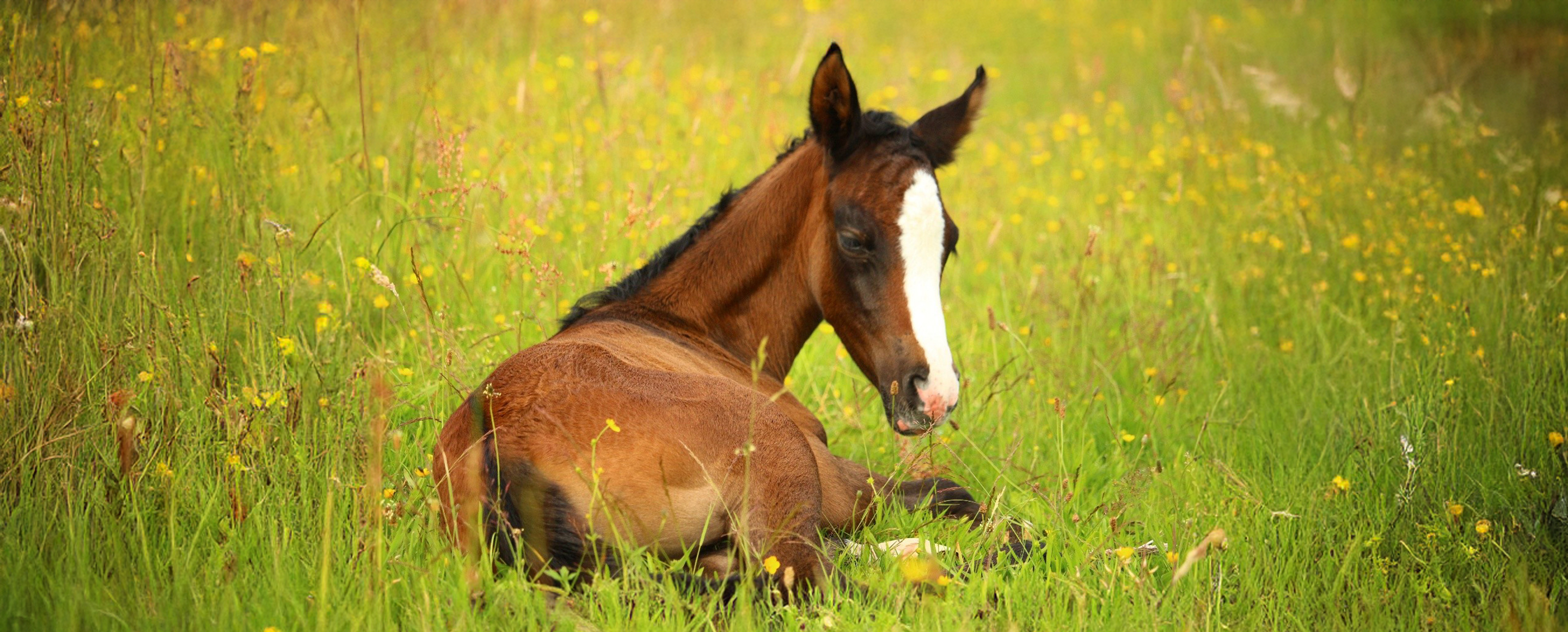
Foals have a developing stomach lining which is thinner than adult horses increasing their risk of ulceration. The amount of gastric acid secreted in a foal’s stomach often increases at a time when they are not eating enough forage to buffer it which can also leave them more prone to ulceration.
What are the signs?
Clinical signs may be vague and easily missed but include:
- Irritability – this may just be when grooming, girthing-up or changing rugs
- Loss of appetite
- Poor body condition
- Poor coat
- Tucked up appearance
- Teeth grinding
- Colic
- Crib-biting
- Pot-bellied appearance
- Poor performance
If your customer suspects their horse may have gastric ulcers it’s important they get a confirmed diagnosis from a vet, as medication to inhibit acid production and allow lesions time to heal may be needed. It’s also important to establish the location of the ulcers as glandular ulcers may be less responsive to medication and changes in diet.
Dietary management of nonglandular ulcers
Although diet is just one risk factor, appropriate nutritional management helps to reduce the risk and severity of gastric ulcers; it’s also a risk factor a horse owner can influence. While glandular ulcers may be less responsive to changes in diet, the same nutritional management is generally recommended for glandular and non-glandular ulcers. Advise customers to:

Base as much of the diet on forage as possible. Balancers are the ideal solution for those able to maintain weight on forage alone. Balancers provide a concentrated source of vitamins, minerals and quality protein but due to the low feeding rate, add minimal calories, starch and sugar to the diet.

If additional energy (calories) is needed, choose fibre based feeds containing low/ restricted levels of starch and sugar.

Choose feeds high in oil as opposed to cereal starch for poor doers. Oil is approximately 2.5 times higher in energy compared to cereals but starch (and sugar) free.
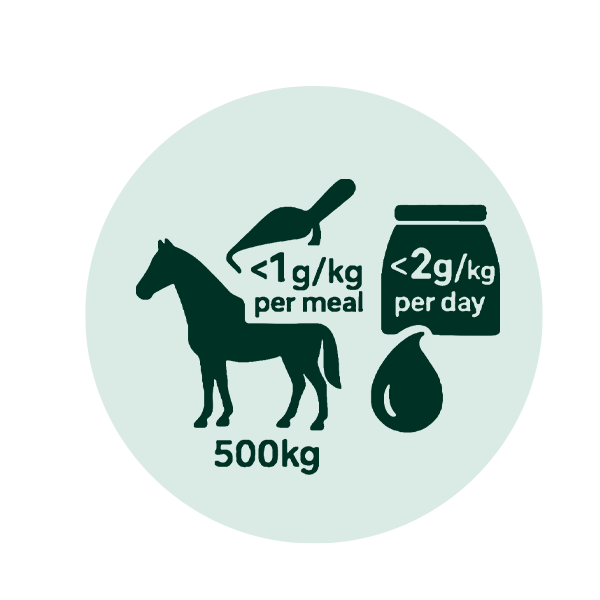
Aim to feed less than 1 gram of non-structural carbohydrate (NSC: starch + water soluble carbohydrate) per kilogram bodyweight per meal and ideally less than 2 grams NSC per kilogram bodyweight per day. For a 500kg horse this equates to less than 500g of NSC per meal and ideally less than 1kg of NSC per day.
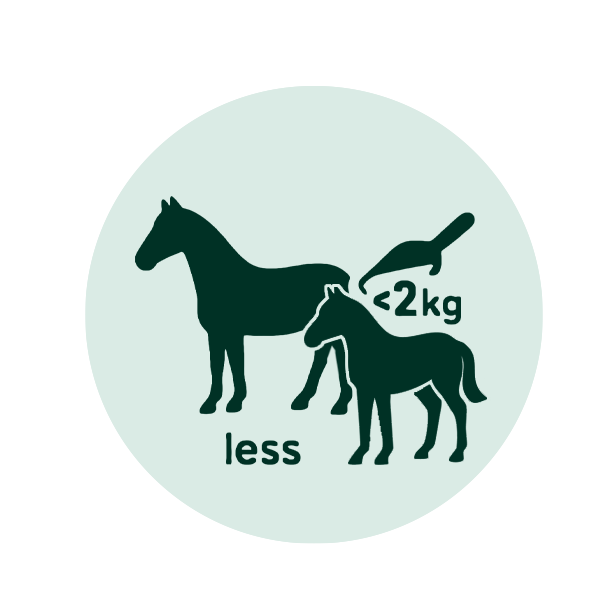
Feed small meals – no more than 2kg (dry weight) in total for horses, less for ponies.

Add short chopped fibre, ideally containing alfalfa, to every meal. The high protein and calcium content in alfalfa is thought to help buffer stomach acid.

Feed short chopped fibre or provide access to forage before exercise to reduce gastric splashing.

Provide access to water at all times.

Avoid using concentrated electrolyte pastes. In one study, multiple hypertonic electrolyte pastes were seen to significantly increase the number and severity of gastric ulcers.
The BETA® EGUS approval mark
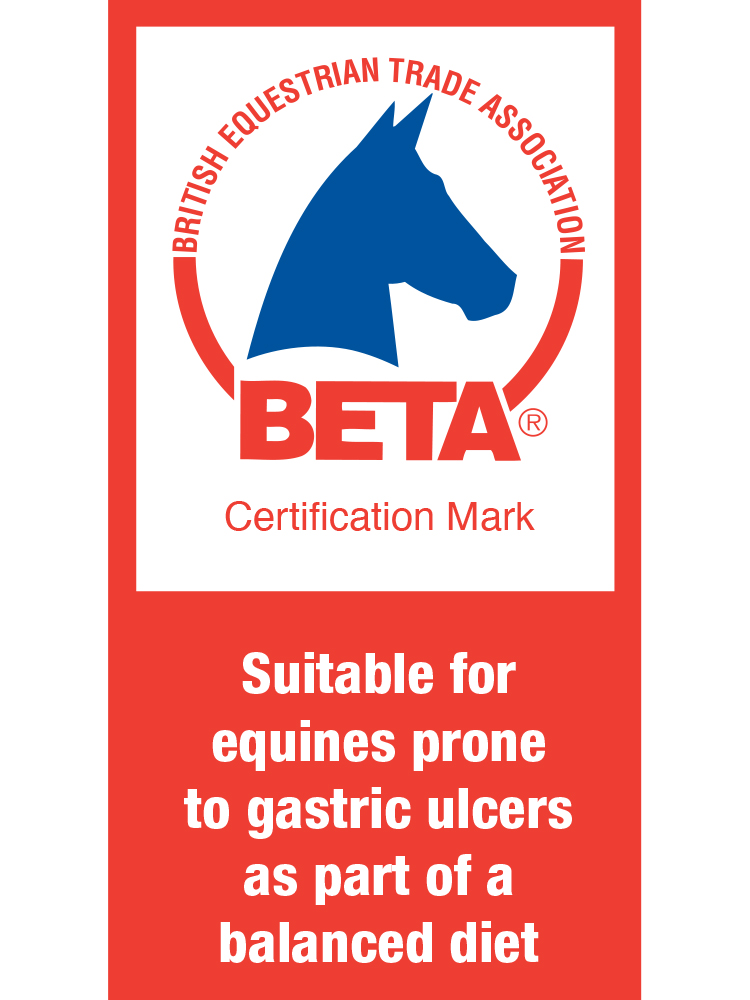
For added reassurance, recommend feeds carrying the BETA® EGUS approval mark as they have been independently approved to ensure their suitability for horses and ponies prone to gastric ulcers when fed as part of a balanced diet.
In order to be awarded the mark, feeds must pass a rigorous three-stage approval process to ensure:
The combined starch and sugar content is less than 20% for low- medium energy feeds and less than 25% for high energy feeds. The feed must also provide less than 1g of starch and sugar per kilogram bodyweight per meal when fed at the recommended rate.
No inaccurate or medicinal claims are made on the packaging or in marketing materials.
The feed is correctly labelled.
It meets the nutrient specification on the bag/ label - this includes independent laboratory analysis.
SPILLERS BETA® EGUS Approved Range of Feeds
Ulca Fibre
Alfalfa-Pro Fibre
Ulca Balancer
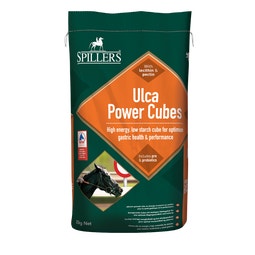
Ulca Power Cubes
Forage tips for customers
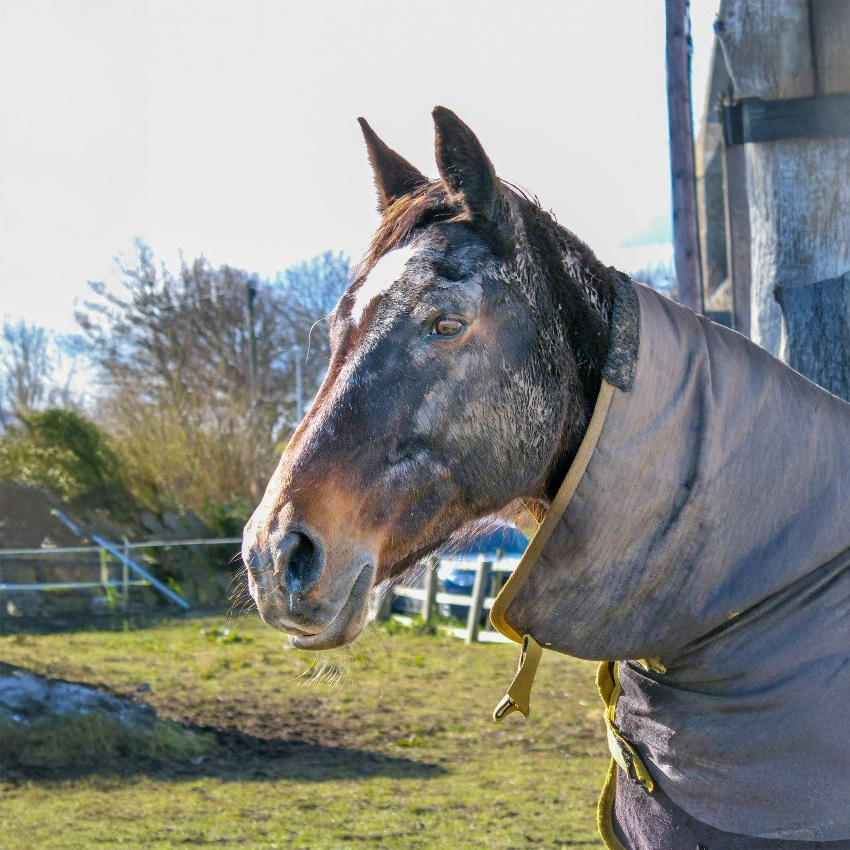
- Ideally horses should be provided with as much forage as they will eat while being mindful of excess waste. Saliva provides a natural buffer to stomach acid but unlike people, horses only produce saliva when they chew.
- Avoid prolonged periods without forage. In one study, periods of more than 6 hours without forage significantly increased the risk of non-glandular ulcers (although the risk may be higher during the day).
- Provide forage while travelling.
- Provide as much turnout as possible. The incidence of gastric ulcers seems lower in horses at pasture.
Tips for helping customers manage forage intake for good doers
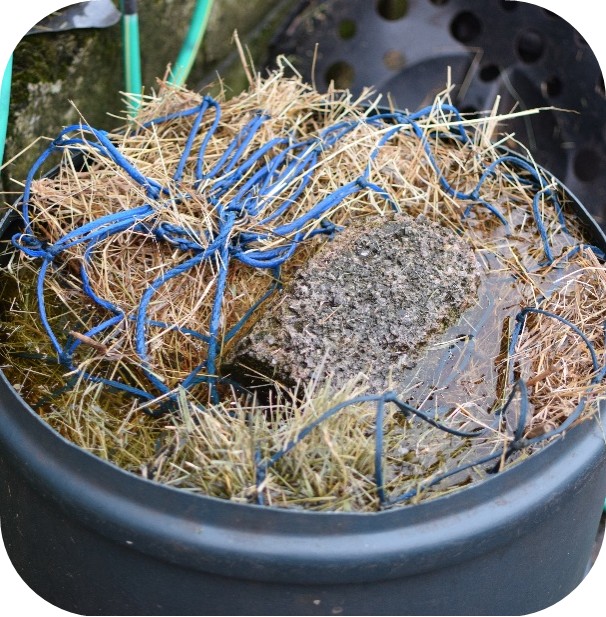
Where possible consider ways of reducing the calorie density of the horse’s forage e.g., by feeding soaked hay or replacing part of the forage ration with straw, rather than restricting the amount fed.
Feed at least 1.5% of current bodyweight (dry matter) as forage per day. For a 500kg horse without grazing, this is equivalent to approximately 9kg of hay (11kg if you intend to soak it before feeding) or 11-12kg of haylage on an ‘as fed’ basis (the amount you weigh out).
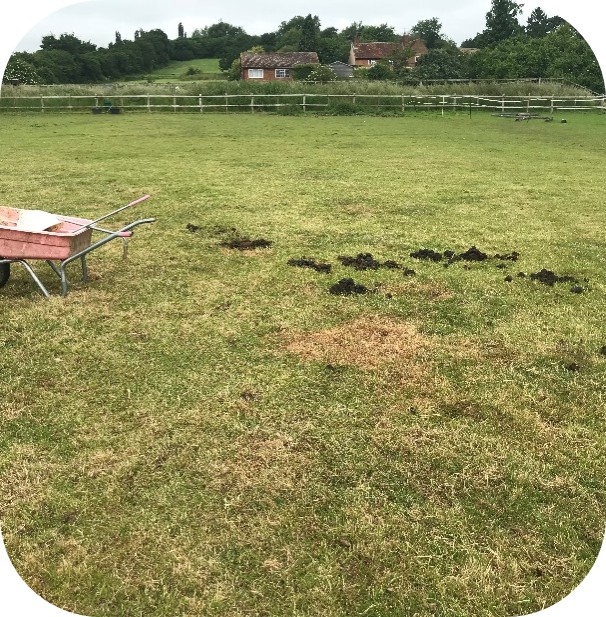
If owners don’t know how much their horse weighs and if the horse has access to grazing, counting droppings may be a practical way to monitor forage intake. Work out how many droppings is normal for the horse and as grazing/ forage are restricted to encourage weight loss, aim to reduce the number of droppings by a third and never by more than half.
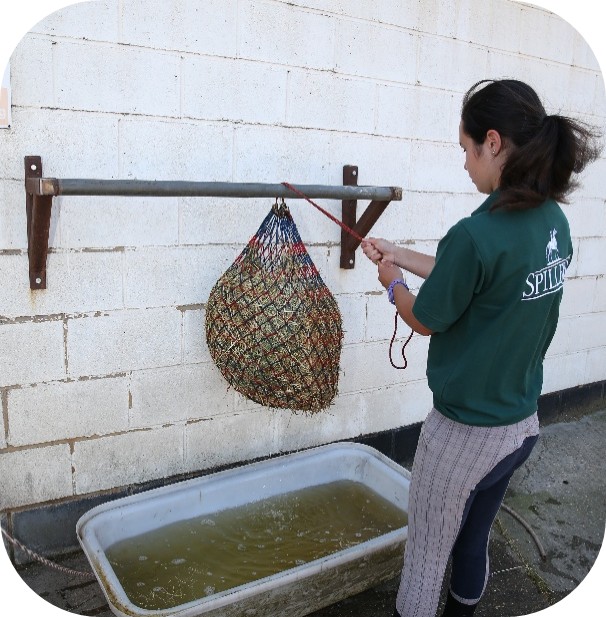
Soaking hay helps to reduce the water soluable carbohydrate or ‘sugar’ content and of course, less sugar means fewer calories! As a guide, we recommmend soaking for 1-3 hours in warm weather and 6-12 hours in cold weather. Due to the loss of nutrients (and therefore dry matter) into the water, each haynet will contain less ‘hay’ and more water post soaking. If soaking hay for one hour or more, increase the amount of hay soaked by approximately 20% to compensate - this will help to ensure that the forage intake is not too severely restricted.
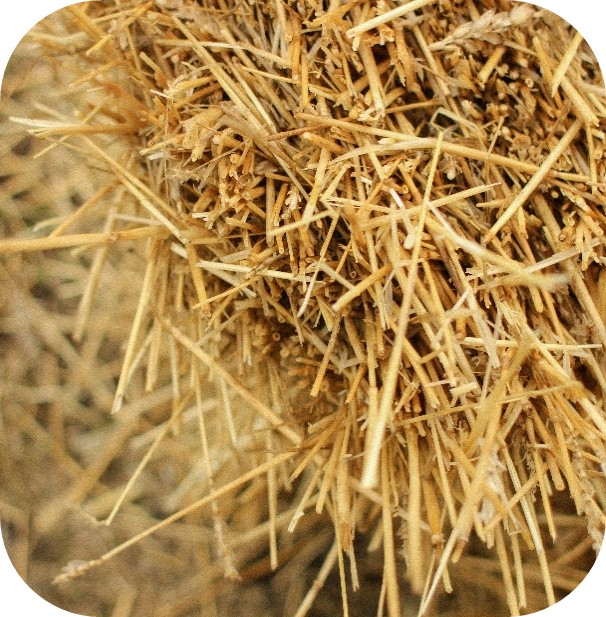
Consider replacing up to 30-50% of your horse’s forage ration (dry matter) with straw. All straw should be of good hygienic quality and introduced gradually.
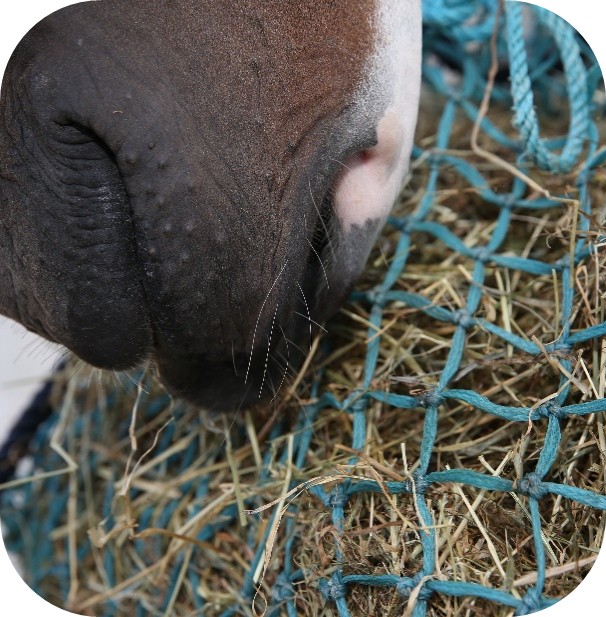
Divide restricted rations of hay/ haylage into as many smaller servings as possible to help avoid long periods without forage.
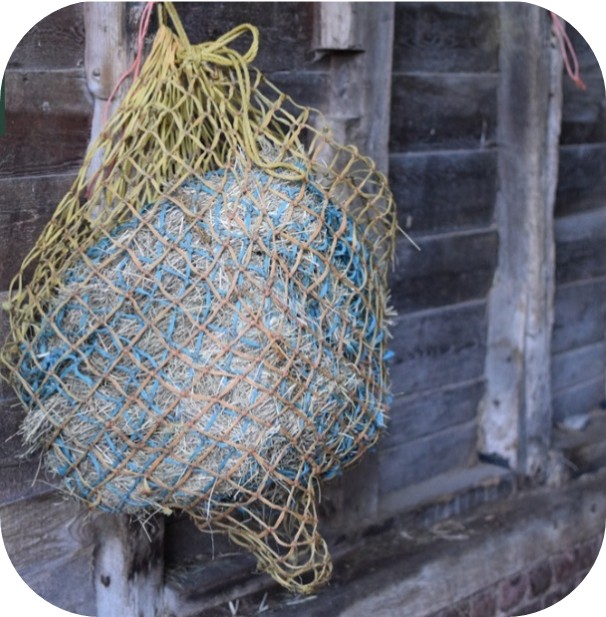
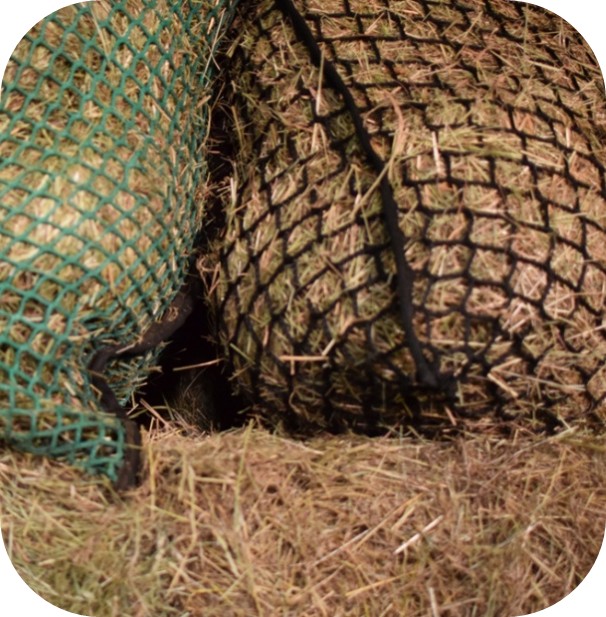
Try dividing hay/ haylage between multiple, double netted, small-holed haylage nets to help extend eating time. In one study, feeding hay in a single, small holed haylage net increased eating time by only 5 minutes per kilo – this would equate to just 30 minutes per night if feeding 6kg hay. However, another study found that feeding 6kg of hay in 3, double layered, small holed haylage nets could extend eating time by 2 hours per night vs feeding the same amount of hay in a single net.
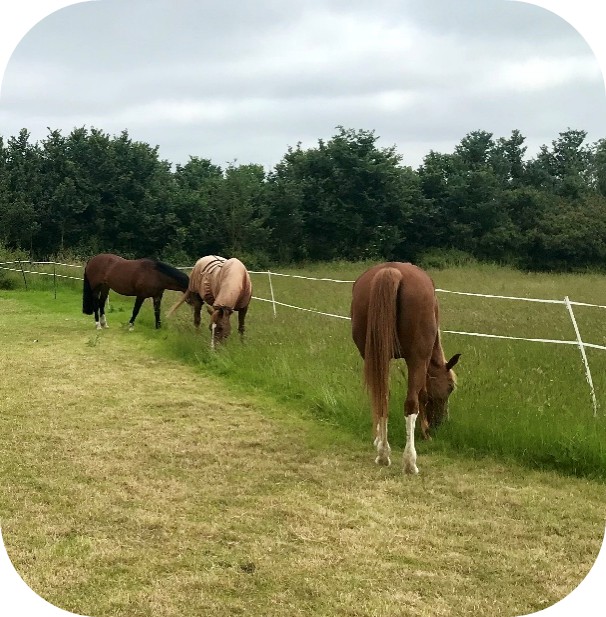
Consider strip grazing or using a grazing muzzle.
Congratulations
You have now completed Module 4: Gastric Ulcers and should have a basic understanding of the key risk factors and how to guide customers towards suitable feeds and feeding practices for horses prone to or recovering from gastric ulcers.
To secure your AMTRA points, don’t forget to take the short quiz now. This will test your knowledge, reinforce your learning, and ensure your completion is officially recorded.
You can now move on to the next topic in Module 4: Seniors