

Module 5: Fibres
Why feed a fibre?
- Fibre is the most important nutrient in the horse’s diet and is essential for gut health and the absorption of other nutrients.
- Regardless of the type of fibre it can not be ingested in the small intestine and is fermented by microbes in the large intestine where it is converted to energy.
- Traditionally fibres (or chaffs) have been added to buckets feeds for decades to slow down eating and provide enrichment.
- Research has shown including just 15% chopped fibre in the bucket feed (e.g. 300g of chaff to 1.5kgs of oats) significantly increases eating time.
- Chewing is vital for horses. Unlike humans, horses only produce saliva when they chew, and saliva is the body’s natural defence for buffering stomach acid.
- High calorie fibres may also be used in place of cereal grains or traditional compound feeds – particularly useful for horses predisposed to physical and behavioural issues which lower starch diets.
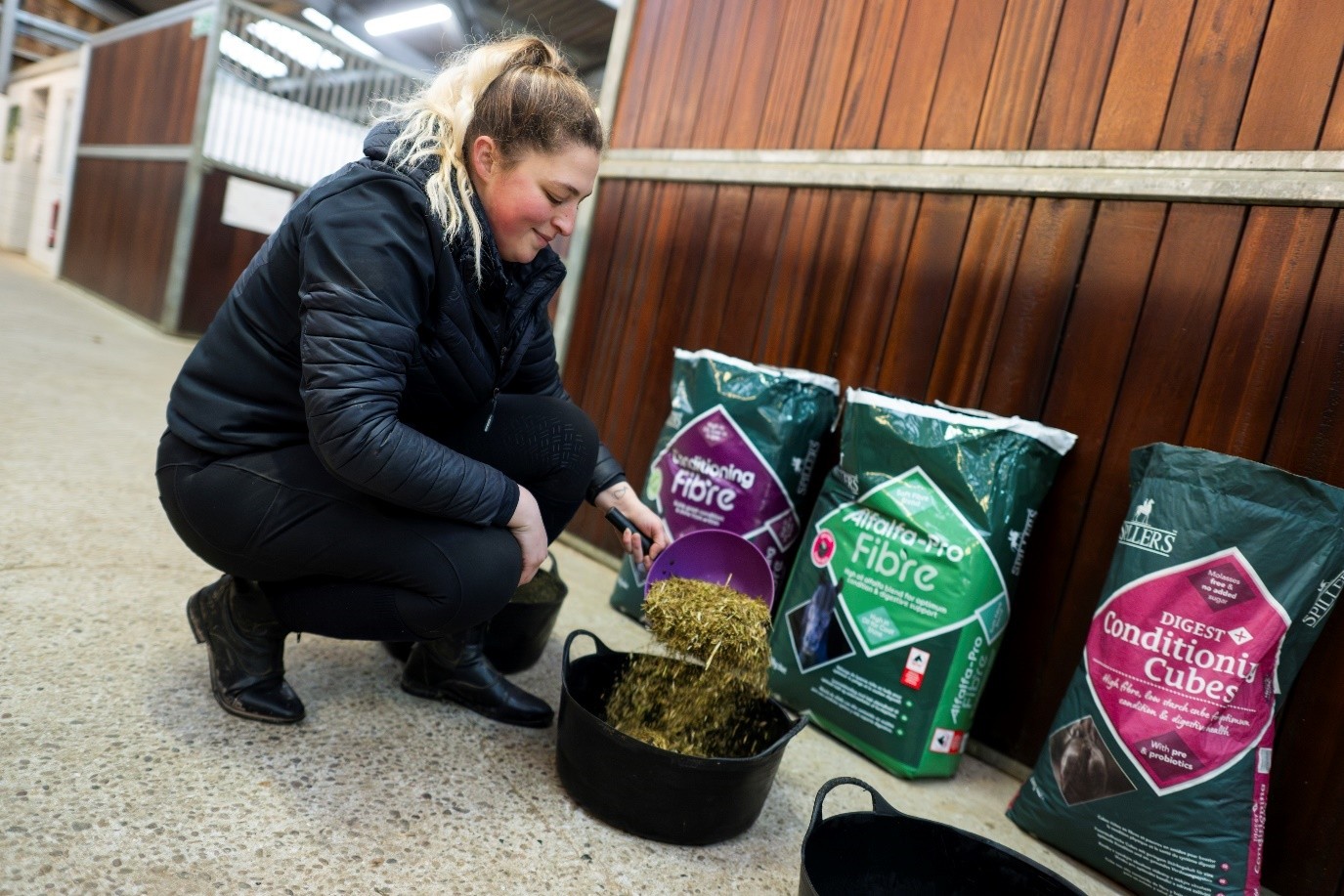
Having plenty of fibre in the diet is essential for hindgut health - studies have shown a mixture (or matrix) of different fibres in the hindgut to be beneficial for maintaining healthy bacterial population and reducing the incidence of hindgut acidosis.
Fibres for performance
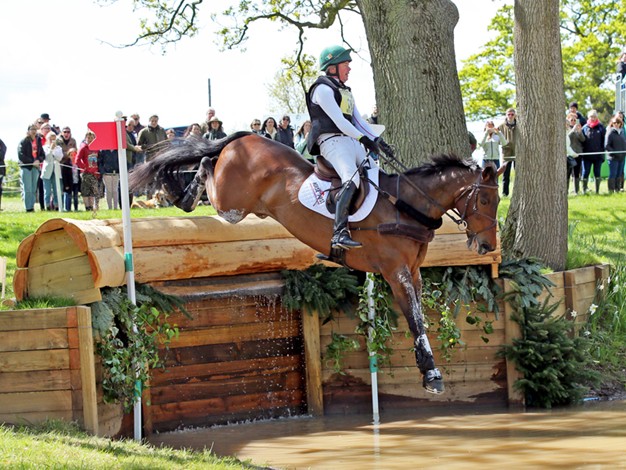
- Sports horses may well benefit from a high inclusion of fibre in the diet. High oil fibres, or fibres with added vitamins and minerals are useful additions.
- Fibre and oil provide calories, which are less heating, may help with stamina and could reduce incidence/ severity of gastric ulcers in horses with stressful lives.
- Historically competition feeds tended to be formulated from cereals, but modern feeding has shown slower releasing energy sources to be just as effective at fuelling horses at the top level of sport.
- Most high calorie fibres contain alfalfa, which is a rich source of protein and helps support topline and muscle function too.
Fibres for enrichment
- Horse have an innate requirement to chew and adding fibre to a bucket feed has been shown to increase eating time.
- For some horses on very restricted diets or on box rest, adding extra low-calorie fibres to a small portion of balancer not only makes the meal last longer but reduces the likelihood of them feeling ‘hangry’ and bored.
Fibres as part of the compound ration
- Fibres with added vitamins and minerals can count towards the horse’s nutrient requirements. E.g. if a 500kg horse requires 3kgs per day of hard feed then this could be made up with 2kgs of compound (cube/mix/mash) and 1kg of a fortified chaff (such as SPILLERS HAPPY HOOF or Conditioning Fibre).
- This may be simpler/ more cost effective for owners than feeding 3kgs of compound and 0.5-1kg of chaff alongside it. It’s also less calories/ volume of feed to achieve a balanced diet.
Fibres as a hay replacer
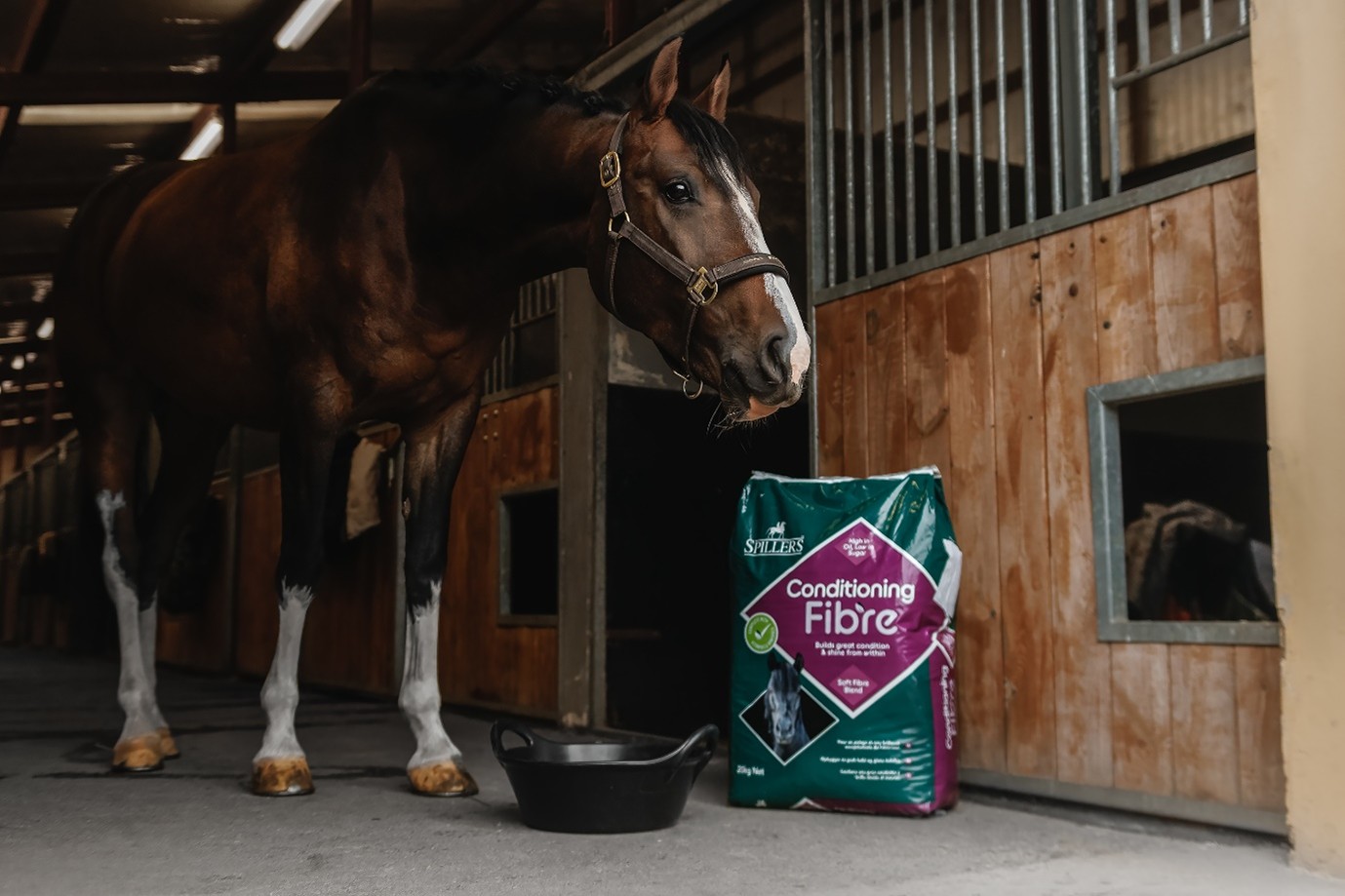
- Some fibres may be suitable to use as either partial or complete forage replacers.
- Horses with dental issues may struggle to eat enough long stem forage but may still eat short chopped fibres such as SPILLERS HAPPY HOOF. Owners should be advised to speak to their horse’s dental technician or vet.
- Some horses may not be able to eat any short chopped fibres and may require a mash such as SPILLERS Speedy-Mash Fibre to replace all chaffs and forage.
- Ponies and horses with severe insulin dysregulation may struggle to regulate on regular forage due to natural variations of sugar (WSC) levels from each batch. They may need to be on diets with highly controlled starch and sugar intakes from a hay replacer such as SPILLERS HAPPY HOOF Molasses Free.
Fibres for good doers
- Of course, even low-calorie feeds provide more calories than no feed. However, some good doers become very ‘hangry’ when fed tiny portions of balancer or compounds and low calorie fibres help to bulk out the bucket feeds and make hungry tummies feel fuller for longer.
- Ensure to select low calorie fibres for good doers and remind horse owners about portion control.
- Most low-calorie fibres are suitable for those prone to laminitis. However, do not assume they all are as some maybe higher in sugar than others. Aim to keep combined sugar and starch levels below 10%. Always check labels, or ask for more information from manufacturers to establish if the feeds are suitable.
Fibres for condition
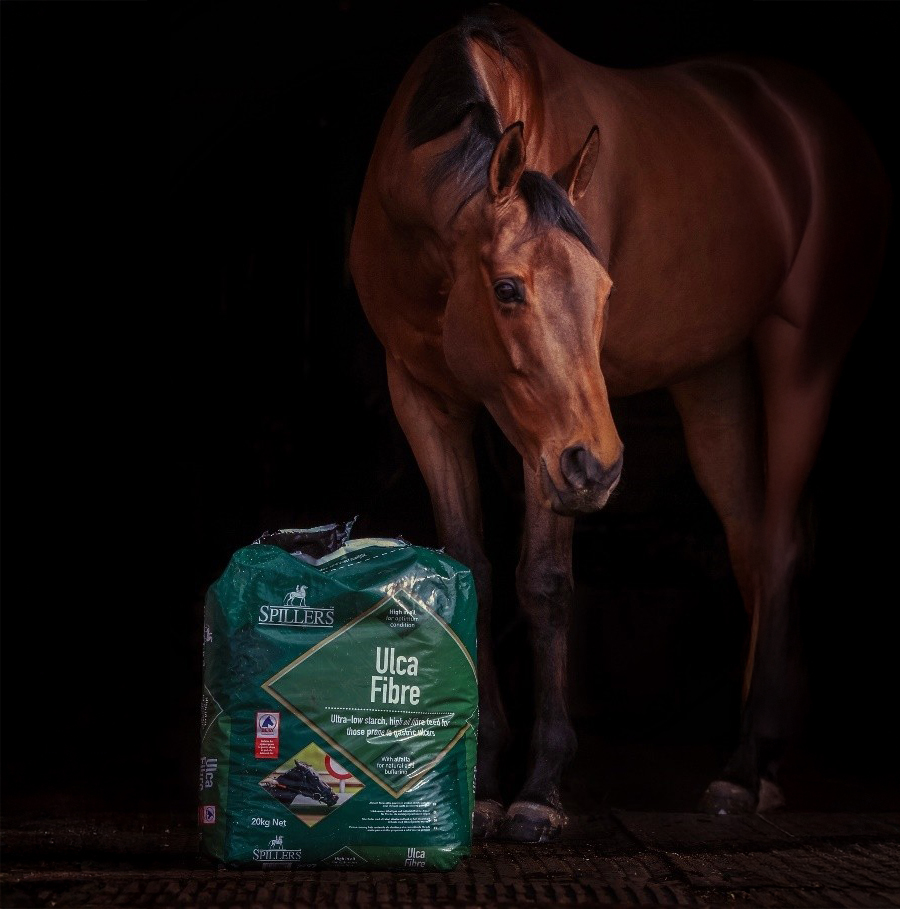
There are many higher calorie fibres (usually high in oil) which are best suited to poor doers or those with higher calorie requirements.
These are a perfect accompaniment to go alongside or replace part or a ration of conditioning compound feed.
Often owners don’t consider this part of the bucket feed to be as valuable for conditioning so be sure to remind them that every mouthful counts if they’re struggling to keep weight on their horse. It’s more effective to feed a high calorie fibre alongside their conditioning feed than a low-calorie fibre.
Our Range
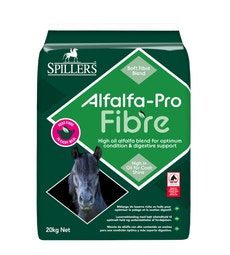
Alfalfa-Pro Fibre
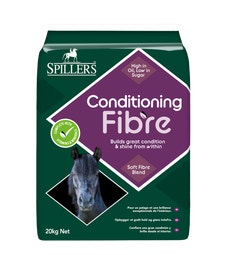
Conditioning Fibre
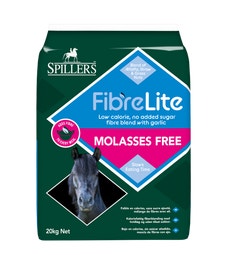
Fibre Lite Molasses Free
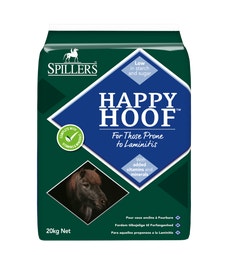
HAPPY HOOF™
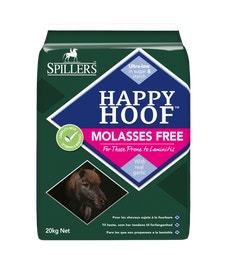
HAPPY HOOF™ Molasses Free
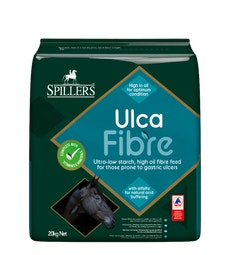
Ulca Fibre
Remember
- All changes in diet should be made gradually.
- The recommended amount of feed should be divided into meals of no more than 2kg for horses, less for ponies and foals.
- Advise customers to contact our friendly nutrition team for specific advice, especially for those prone to or suffering from nutrition related clinical conditions such as laminitis, PPID (Cushing’s syndrome) tying up, colic and gastric ulcers.
Congratulations
You have now completed Module 5: Fibres and should have a basic understanding of how to recommend fibres effectively.
You can now move on to the next topic in Module 5: Low Energy Feeds.