

Module 5: Stud Feeds
Nutrition tips: Mares
Did you know? The gestation period for a mare is 11 months! Over 60% of foetal growth occurs in late gestation (the final 3 months).
Foetal growth is slow in early gestation so unless the mare has a foal at foot, changes in feed are unnecessary during the first seven months provided the mare continues to maintain a healthy body condition and receives a balanced diet.
Tips:
- Advise customers to gradually introduce an appropriate stud feed or balancer in month 8 of gestation.
Mares will continue to need a stud feed/ balancer throughout lactation.
In early lactation (first three months), the mare will produce around 3% of her bodyweight in milk per day – 15 litres per day for a 500kg mare!
Mares in early lactation need more energy and protein than a racehorse – although not all mares need a significant increase in ‘bucket feed’!
A newborn foal will suckle up to 10 times per hour in the first week of its life!
Nutrition tips: Foals & Yearling
Foals rely almost entirely on milk for the first month but will generally start to nibble the mare’s feed at around two weeks of age.
By six weeks old, the foal’s requirement for nutrients has already started to exceed what the mare can supply, and the foal will require some supplementary feed of their own.
By three months, an increasing requirement for nutrients is coupled with a drop in milk production and quality by which time a suitable ration of feed or balancer should be well established.
Youngstock can generally be transitioned to a feed/ balancer for adult horses from two years of age.
Nutrition tips: Stallions
- Stallions vary immensely in their level of activity in the breeding season. Some may only cover a few mares over the spring and summer which doesn’t require any changes in diet. Those at the height of their commercial value may be are required to cover several mares per day during the breeding season and generally need a similar level of nutrients to a horse in moderate work.
- Advise customers to contact the SPILLERS Care-Line for specific advice.
Calorie Caution
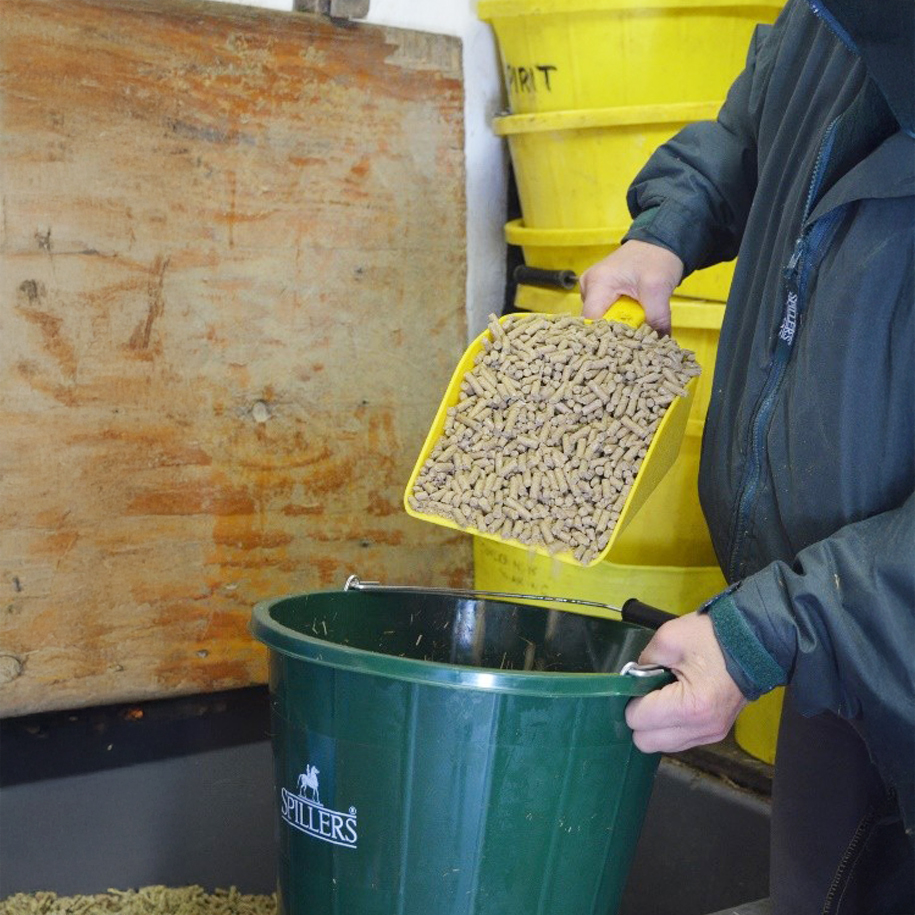
- Energy or ‘calorie’ requirements may vary considerably between individuals.
- Stud balancers such as SPILLERS Gro N’ Win Balancer are ideal for those that do not require the high level of calories that traditional stud feeds provide.
Our Range
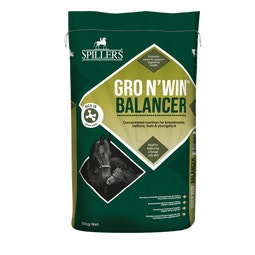
Gro N' Win™ Balancer
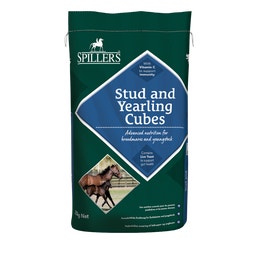
Stud and Yearling Cubes
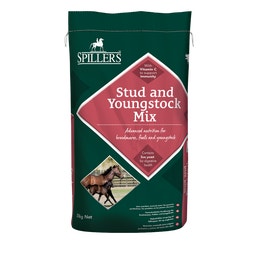
Stud and Youngstock Mix
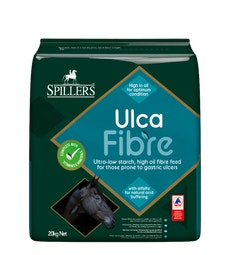
Ulca Fibre
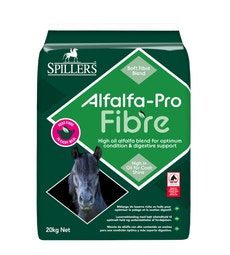
Alfalfa-Pro Fibre
Remember
- All changes in diet should be made gradually.
- The recommended amount of feed should be divided into meals of no more than 2kg for horses, less for ponies and foals.
- Advise customers to contact our friendly nutrition team for specific advice, especially for those prone to or suffering from nutrition related clinical conditions such as laminitis, PPID (Cushing’s syndrome) tying up, colic and gastric ulcers.
Congratulations
You have now completed Module 5: Stud Feeds and should have a basic understanding of how to select a diet for mares, foals and youngstock.
You have completed Module 5!