
What Should I Feed My Overweight Horse?
If your horse or pony seems to gain weight just by looking at grass, you’re certainly not alone. Many horses and ponies are good doers, which means they can maintain condition very easily and may gain weight quickly if their calorie intake is not carefully managed. The challenge is cutting calories without cutting out the nutrients they still need for health and wellbeing.
When it comes to feeding an overweight horse, the aim is simple: reduce calorie intake, provide sufficient fibre and ensure a balanced diet.
Summary
Feeding an overweight horse is not about feeding less of everything. It is about managing your horse really carefully. That means controlling calorie intake, managing grass access, providing enough fibre throughout the day, increasing work if possible and making sure the diet still supplies essential vitamins, minerals and amino acids.
For many good doers, a combination of carefully managed forage, restricted grazing and a low-calorie balancer is the most practical and effective approach.
Remember: weight loss should support health, not compromise it. Review the whole picture — forage, grazing, exercise, body condition and general management — and make changes consistently over time.
Why weight matters
Excess body fat is not just about appearance. Overweight horses and ponies may be at greater risk of issues such as insulin dysregulation, laminitis, reduced athletic performance and unnecessary strain on joints and limbs among other things.
Safe weight loss takes time, so it is important to be realistic and patient. After the first week, aim for a reduction of around 0.5–1% of bodyweight per week. For a 500kg horse, that equates to around 2.5–5kg each week.
Key point: the goal is to reduce excess fat while still supporting muscle, digestive health and overall wellbeing.
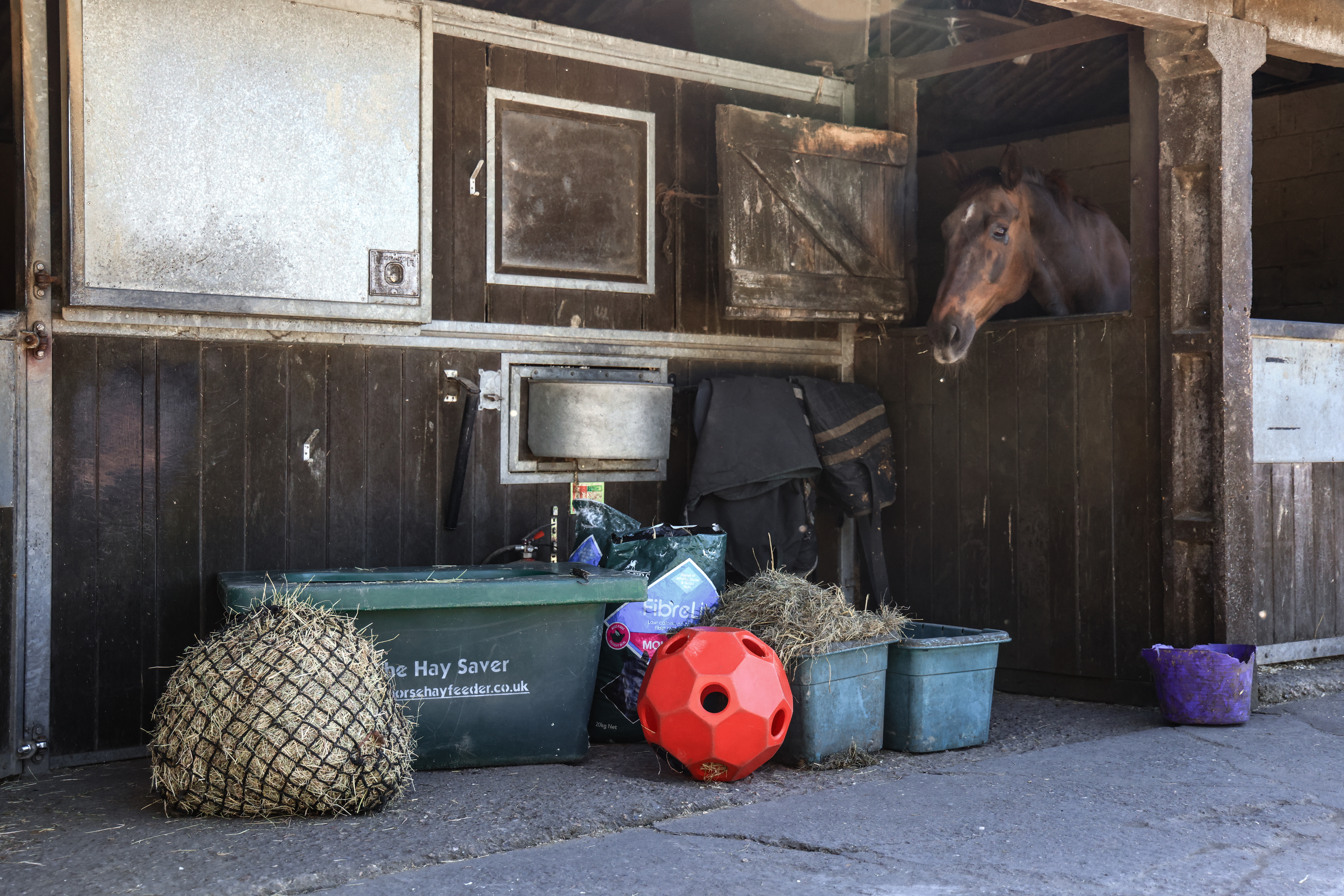
What should an overweight horse eat?
For most overweight horses, the diet should be based around:
- Carefully managed rather than overly restricted forage
- Limited access to grazing where needed
- A low-calorie balancer to provide essential nutrients
- A small amount of low-calorie chop or fibre to bulk out the balancer if required
This approach helps reduce calories without compromising essential vitamins, minerals and amino acids.
A common mistake is assuming that if a horse is overweight, they do not need any feed. In reality, many calorie-restricted diets are even lower in important nutrients which need replacing. Balanced nutrition is still important, even when your horse needs to lose weight.
Quick links
How much forage should I feed?
Forage should always form the foundation of the diet. Horses have evolved to trickle feed, so removing too much forage can negatively affect digestive health and welfare.
Total forage intake for overweight horses and ponies should not be restricted below 1.5% of bodyweight per day on a dry matter basis.
That means:
- A 500kg horse needs at least 7.5kg dry matter per day from grass and/ or forage.
- If solely feeding hay with no grazing, you will need to weigh out 1.8% bodyweight to account for the water content of hay (usually 10-15%).
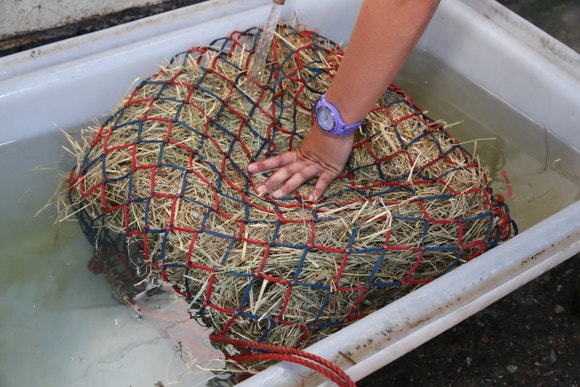
- If soaking hay for an hour or more, you should add an extra 20% to this amount because some dry matter is lost during soaking.
- If your horse is out grazing during the daytime (8-10 hours or more) then feed at least half this amount while they’re off the grass.
Read more: Forage advice for overweight horses
Read more: Hay soaking for horses and ponies prone to weight gain
Is grass a problem for overweight horses?
Grass is often the biggest source of calories in the diet for leisure horses and ponies. It can also provide large amounts of water-soluble carbohydrates - or ‘sugars’.
This is why grass can present a double challenge for good doers:
- Too many calories, leading to weight gain
- Too much sugar, increasing concern for those at risk of insulin dysregulation and laminitis
Even when pasture looks sparse, brown or mature, it could still contribute more calories than your horse needs overall.
Managing grass intake is often the most important part of a successful weight loss plan. Depending on your set-up, this may include:
- Strip grazing
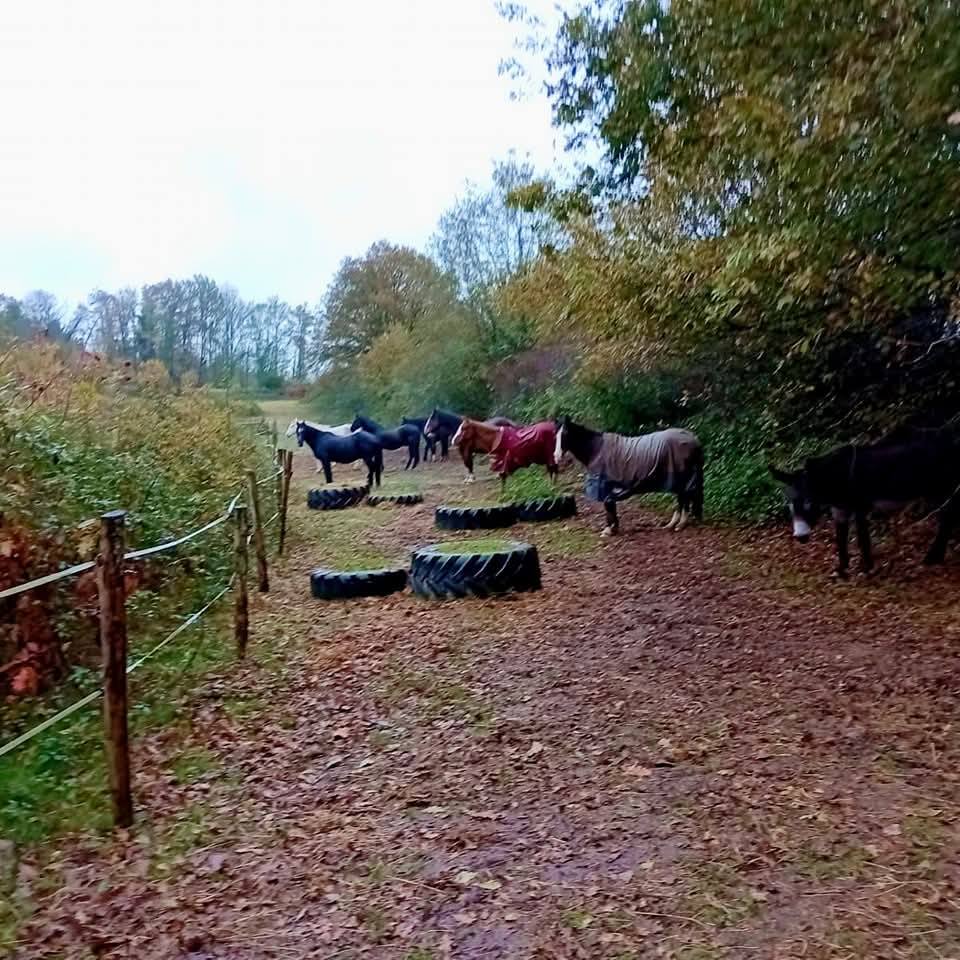
- A track system
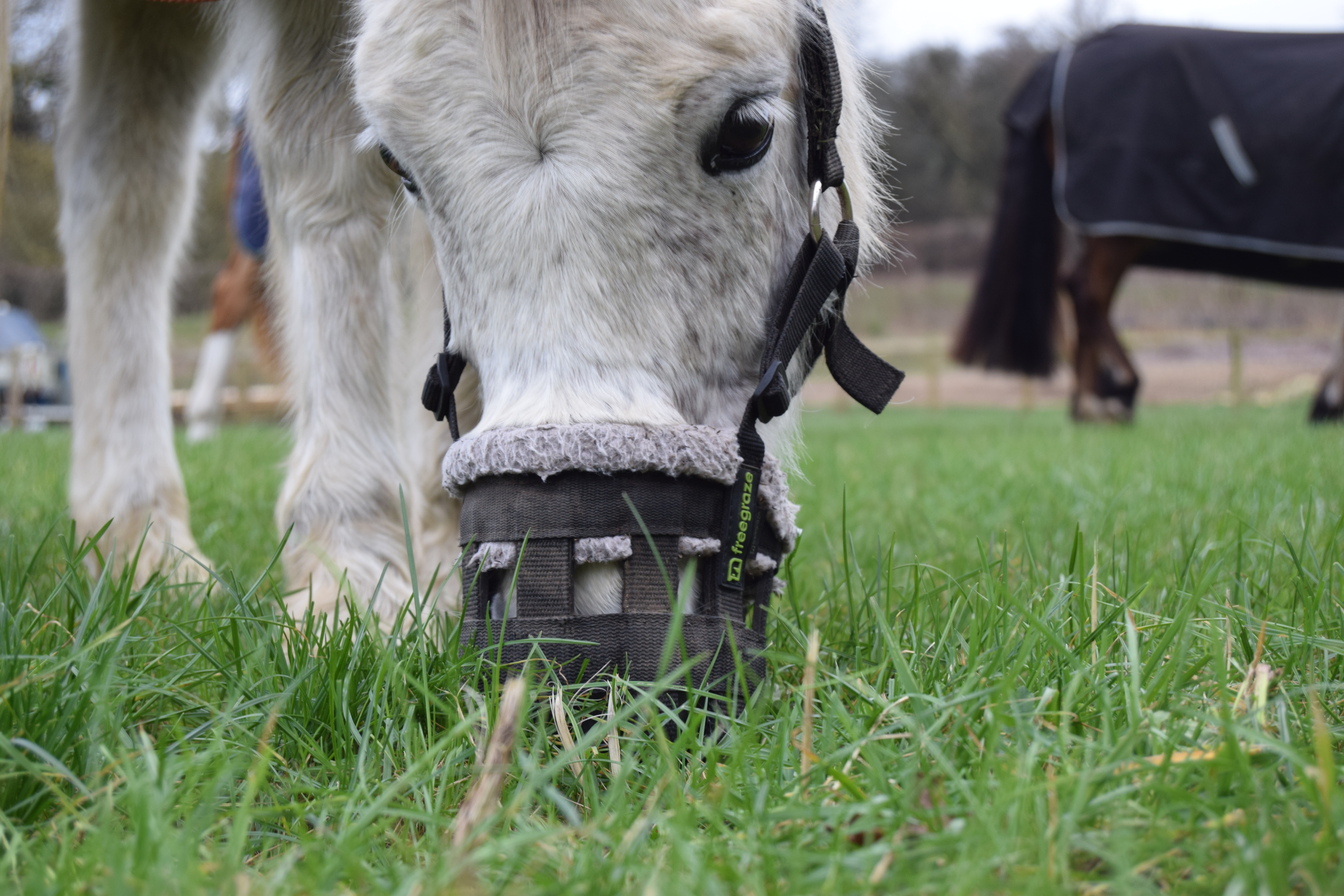
- A grazing muzzle
- Reduced turnout time
- Grass-free turnout
Read more: Strip grazing, track systems and grass-free turnout
Read more: Grazing muzzles
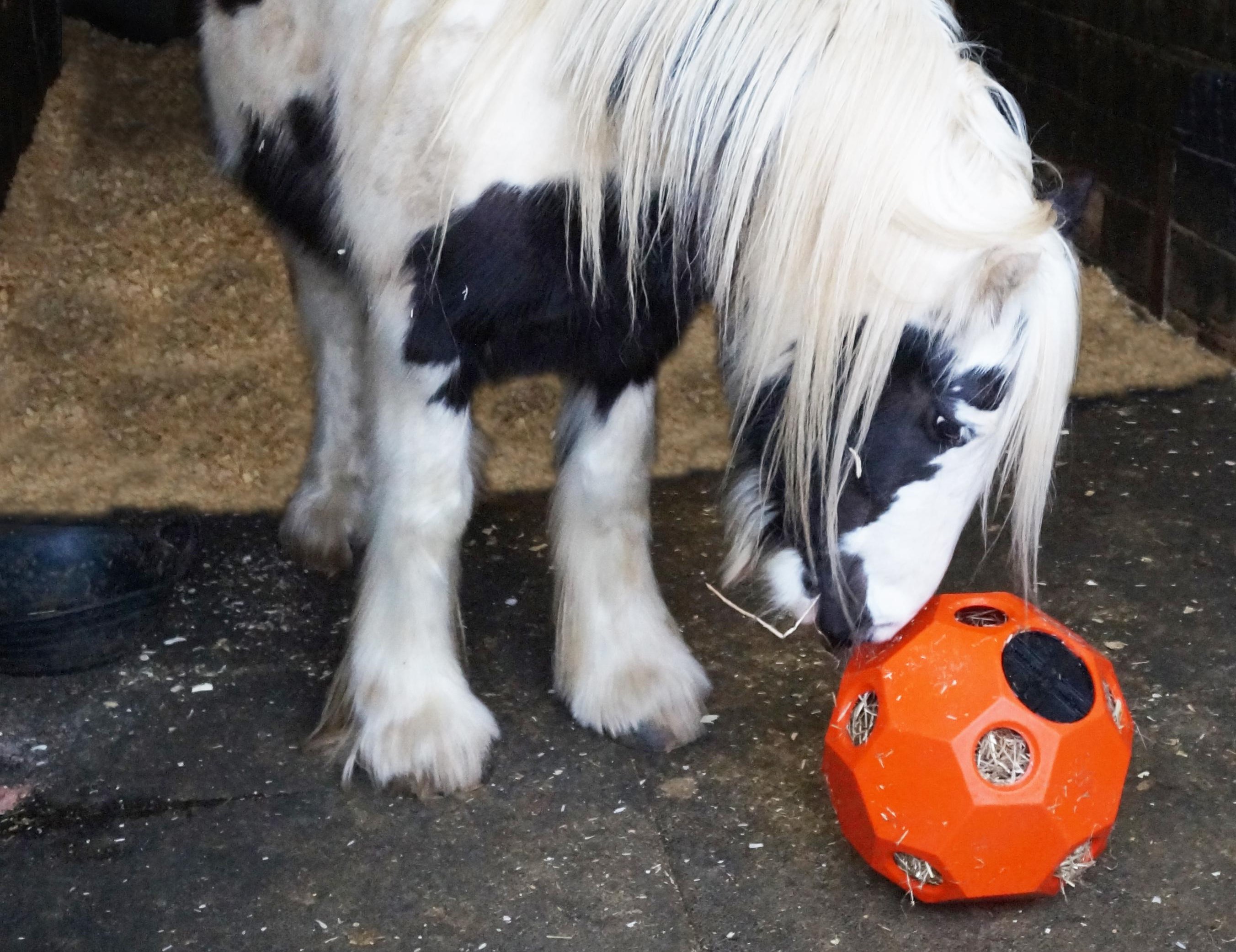
Do overweight horses need a balancer?
In most cases, yes!
When owners reduce grazing, soak hay or feed smaller forage rations, they also reduce the intake of key nutrients. This can leave the diet lacking in nutrients such as:
- Lysine
- Copper
- Zinc
- Selenium
- Vitamin E
A small daily feed of balancer provides these essential nutrients but adds minimal calories, starch and sugar, making it ideal for many overweight horses and ponies.
Balancers can help support:
- Hoof quality
- Skin and coat
- Immune function
- Muscle maintenance
- Overall health and wellbeing
Lysine – likely the most deficient amino acid, or protein - is especially important because it supports muscle and topline. If protein quality is poor, the body may break down muscle tissue to meet requirements.
Key point: when helping a horse lose weight, cut calories — not nutrients.
Can exercise help?
Yes, although diet is usually the main factor in weight loss.
Exercise may not result in dramatic weight loss compared with calorie restriction alone, but it can still offer important benefits. Regular movement can help support:
- Insulin sensitivity
- Muscle tone
- Mobility
- Mental wellbeing
If your horse or pony is in work, keep exercise consistent and appropriate for their fitness level. If they are retired or unable to do ridden work, in-hand walking and encouraging more movement around turnout can still be beneficial.
Common feeding mistakes
| Feeding too little forage |
| This may increase frustration, boredom and increases risk of digestive upset. |
| Feeding unbalanced “token” bucket feeds |
| A small handful of chaff or cubes won’t provide a balanced diet. |
| Forgetting that grass counts |
| For many horses, grazing contributes far more calories than the bucket feed. |
| Over-rugging in winter |
| Many good doers do not need as much help keeping warm as owners think. Healthy horses regulate their body temperature very efficiently. |
| Expecting quick results |
| Weight loss should be steady and sustainable, not drastic. |

Author
Written by: Vanessa Allen
Equine Nutrition Advisor, SPILLERS
Vanessa Allen | LinkedIn
Author summary:
Vanessa has been part of the SPILLERS nutrition team for over a decade and writes evidence-based, practical feeding advice to help owners support their horses’ health, wellbeing and long-term condition.